





Industry Coalitions Press USTR for Extension on China-Linked Vessel Fees Ahead of November Expiration

WASHINGTON — A powerful coalition of major U.S. retailer associations, agricultural exporters, and logistics providers is stepping up pressure on the federal government to avert a looming supply chain disruption. In a formally submitted joint letter dated September 23, 2026, stakeholders urged U.S. Trade Representative (USTR) Jamieson Greer to extend the current suspension of Section 301 vessel fees targeting China-linked ships.
The appeal arrives at a critical juncture for international trade. The temporary reprieve on the controversial maritime penalties is slated to expire on November 9, 2026. If reinstated, the policy threatens to inject severe volatility into an ocean freight market already grappling with persistent cost pressures, fluctuating carrier capacities, and complex geopolitical headwinds.
Main Facts
The core of the controversy centers on Section 301 tariffs and fees designed to penalize maritime traffic tied to the People’s Republic of China. Originally conceived under a broader White House initiative to restore U.S. maritime dominance, the policy targets commercial vessels built in China or owned and operated by entities with direct ties to the Chinese state.
Under the framework established by the USTR, affected ships arriving at U.S. ports face steep financial penalties ranging from $18 per net ton up to $120 per container, with built-in provisions for annual escalations every April.
The joint letter to Ambassador Greer—signed by heavy-hitting trade groups including the National Retail Federation (NRF), the Retail Industry Leaders Association (RILA), and the Agriculture Transportation Coalition (AgTC)—argues that bringing these fees back online would trigger immediate, adverse economic consequences.
"Imposing new or resumed fees on China-built or China-linked vessels would create immediate and far-reaching consequences for U.S. companies that rely on ocean transportation to move goods into and out of the United States," the stakeholders warned in their correspondence.
The timing of the letter is particularly strategic, coinciding directly with high-stakes diplomatic maneuvers, including a scheduled meeting in Washington, D.C., between President Donald Trump and Chinese President Xi Jinping. Industry leaders hope the intersection of maritime policy and top-tier bilateral diplomacy will prompt a re-evaluation of the fees.
Chronology of the Section 301 Maritime Dispute
The trajectory of the Section 301 vessel fee dispute maps out a complex timeline of regulatory escalation, industry pushback, and temporary relief:
- 2024–Early 2025: The USTR initiates a comprehensive, year-long Section 301 investigation into China’s dominance and alleged unfair trade practices within the global logistics, maritime, and shipbuilding sectors. The investigative report concludes that China’s state-backed practices severely disadvantage U.S. maritime competitiveness.
- Spring/Summer 2025: President Donald Trump signs executive orders aimed at restoring U.S. maritime manufacturing and ocean shipping power. As part of this enforcement strategy, the USTR outlines the structure for China-linked vessel fees, slated to take effect in October 2025.
- October 2025: The initial implementation window opens, triggering immediate alarms across the American supply chain. Stakeholders, ranging from port authorities to retail giants, warn that the fees will act as an indirect tax on consumers and disrupt cargo volumes.
- November 10, 2025: Recognizing the acute pressure on logistics networks and engaging in broader trade calibrations, the administration abruptly suspends the enforcement of the vessel fees. The suspension is given a one-year lifespan, setting an expiration date of November 9, 2026.
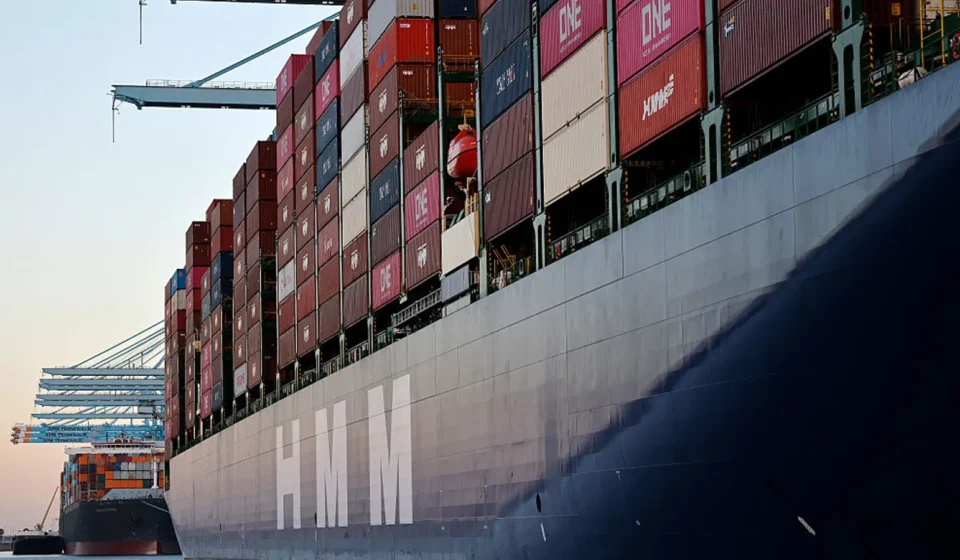
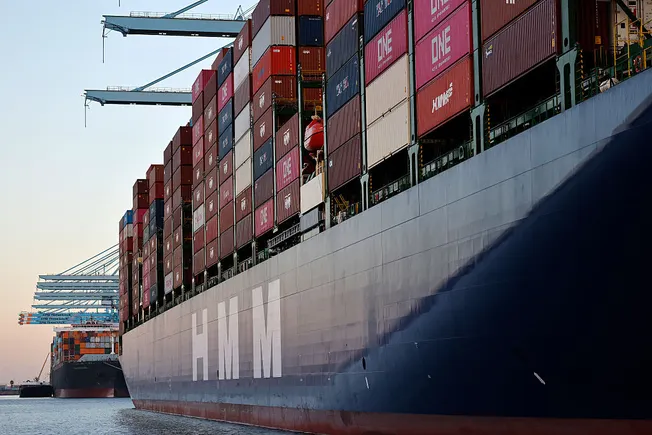
- August 19, 2026: Operations at vital maritime gateways, such as the Port of Los Angeles, continue to handle heavy volumes on China-linked carriers (such as HMM and other regional operators) while the suspension remains active, giving a temporary reprieve to importers.
- September 23, 2026: Facing the fast-approaching November 9 expiration, the NRF, RILA, AgTC, and allied trade groups dispatch their formal joint letter to USTR Jamieson Greer, demanding a continuation of the fee pause.
Supporting Data and Market Realities
The push for an extension is not born out of political posturing, but out of deeply rooted anxieties regarding the health of the global ocean freight ecosystem. According to the petitioning trade groups, the U.S. logistics landscape in late 2026 is defined by fragility:
- Elevated Transportation Costs: Despite occasional cooling periods on specific spot rates, ocean freight baseline expenses remain historically elevated compared to pre-pandemic norms. Shippers are continually forced to absorb high baseline operational expenses.
- Carrier Capacity Constraints: Ocean carriers continue to utilize strategic "blank sailings"—cancelled scheduled port calls—to artificially manage capacity and prop up freight rates, leading to unpredictable transit schedules.
- Equipment and Network Bottlenecks: Importers and exporters report persistent challenges regarding intermodal equipment availability, chassis shortages, and localized congestion across major port and inland rail networks.
- Frontloading Phenomenon: Transpacific trade lanes have seen aggressive waves of cargo frontloading as businesses attempt to stay ahead of potential tariff hikes and policy changes, creating artificial volume spikes that strain port infrastructure.
Industry analysts note that injecting sudden vessel penalties into this precarious mix would inevitably force carriers to pass compliance costs directly down the supply chain, squeezing profit margins for small- and medium-sized businesses and ultimately driving up retail prices for American consumers.

Official Responses and Stakeholder Perspectives
The debate over the China-linked vessel fees highlights a fundamental tension between long-term geopolitical strategy and short-term economic realities.
The Administration’s Stance
Proponents of the Section 301 investigation and subsequent vessel fees—including domestic shipbuilders, maritime unions, and nationalist economic advisors—argue that aggressive measures are long overdue. Decades of aggressive state subsidies have allowed Chinese shipyards to capture a dominant share of global commercial shipbuilding, leaving the U.S. commercial fleet hollowed out. From the perspective of the administration’s maritime dominance strategy, penalizing vessels built or backed by strategic rivals is a necessary economic lever to force a domestic industrial revival.
The Retail and Import Perspective
Major retail groups, however, argue that using punitive port fees as a blunt instrument fails to achieve the desired outcome. The National Retail Federation has repeatedly pointed out that parallel proposals—such as tariffs on ship-to-shore cranes and essential port handling equipment—actively undermine efficiency. Rather than encouraging domestic manufacturing, taxed infrastructure simply slows down U.S. ports, raises handling costs, and harms American competitiveness.
The Agricultural Sector’s Concerns
Agriculture exporters, represented heavily by bodies like the Agriculture Transportation Coalition, harbor deep fears regarding retaliatory measures. In their joint letter to USTR Greer, stakeholders emphasized that extending the pause on vessel fees is vital for protecting American farmers and manufacturers. If China or other trading partners respond to reinstated U.S. maritime fees with targeted agricultural retaliation, rural producers could lose cost-effective access to critical overseas export markets.
Broader Implications for Global Trade
As the November 9 expiration date draws near, the decision facing USTR Jamieson Greer transcends simple regulatory housekeeping; it serves as a litmus test for how the U.S. government intends to balance national security-driven industrial policy with commercial pragmatism.

If the administration allows the suspension to lapse and permits the Section 301 fees to take effect, the immediate outcome will likely be a sharp spike in operational friction across U.S. ports. Importers dependent on transpacific supply chains will face difficult choices regarding routing, inventory holding costs, and retail pricing strategies. Furthermore, any sign of hardening trade enforcement could complicate ongoing diplomatic talks between President Trump and President Xi Jinping, potentially setting off a tit-for-tat escalation in maritime and logistics restrictions.
Conversely, extending the fee suspension would signal a willingness by the White House to heed the collective warnings of the domestic supply chain. It would provide much-needed breathing room for an industry trying to navigate persistent inflationary pressures, structural capacity shifts, and complex geopolitical currents.
For now, the nation’s retailers, manufacturers, and agricultural producers wait anxiously for a policy signal from Washington—one that will dictate the cost and efficiency of moving goods across the world’s oceans as the holiday shipping season peaks and the new year approaches.