





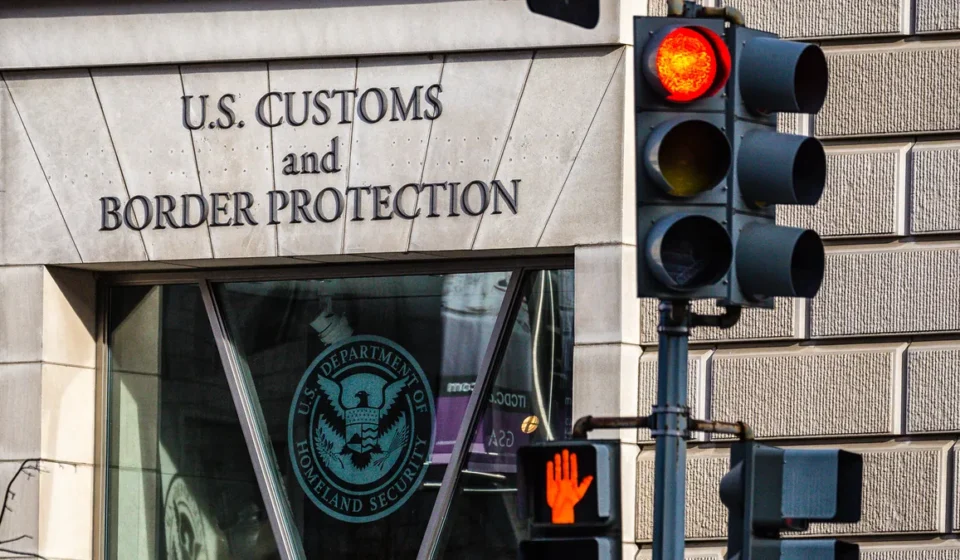
U.S. Customs and Border Protection Expands Tariff Refund Portal to Include Certain Finally Liquidated Entries

WASHINGTON — U.S. Customs and Border Protection (CBP) is preparing to clear a critical hurdle in the massive, ongoing fallout from invalidated trade policies. Beginning October 6, 2026, the agency will expand its digital reimbursement infrastructure to allow businesses to seek refunds for certain finally liquidated entries that were previously subject to defunct tariffs.
The update represents a major, albeit cautious, step forward for importers locked in extended financial limbo following a landmark Supreme Court decision earlier this year. However, trade experts warn that while the operational gateway is finally opening, corporate finance teams must navigate a treacherous landscape of eligibility restrictions, ongoing federal litigation, and stringent procedural deadlines.
Main Facts
The upcoming October 6 rollout centers on the processing of "finally liquidated entries"—import shipments whose duties, fees, and taxes have been definitively calculated and closed by CBP.
According to a recent federal court filing, importers who successfully submitted a valid importer of record number to CBP by the end of July will be permitted to file for reimbursements through the agency’s proprietary portal, known as the Consolidated Administration and Processing of Entries (CAPE) system. Brandon Lord, executive director of CBP’s Trade Programs Directorate, confirmed the operational timeline in court documents.
However, the expansion comes with strict parameters:
- The July 30 Cutoff: Importers who missed the initial July 30 deadline to register their importer of record numbers with CBP will not be included in this opening wave. The agency has stated that businesses seeking refunds for entries submitted after that date must await future instructions, though no timeline has been provided.
- The Scale of the Impact: This third phase of the CAPE rollout targets approximately $11.4 billion—or roughly 6.9%—of the total tariffs enacted under the International Emergency Economic Powers Act (IEEPA), which were struck down by the Supreme Court in February.
- Massive Treasury Payouts To Date: As of September 11, 2026, CBP’s CAPE portal has accepted approximately $134.7 billion in potential and certified refunds for processing. Of that staggering sum, $122 billion has already been cleared and transmitted to the U.S. Treasury Department for final disbursement to eligible companies.
Despite these substantial numbers, industry stakeholders emphasize that the availability of the portal does not guarantee a frictionless payout for every organization that paid the unlawful duties.
Chronology: How the IEEPA Refund Crisis Unfolded
The path to the October 6 portal expansion has been marked by repeated legal battles, shifting administrative timelines, and a high-stakes scramble by supply chain operators to recover billions of dollars.
- February 2026: The U.S. Supreme Court issues a sweeping decision invalidating tariffs enacted under the International Emergency Economic Powers Act (IEEPA), declaring them an unconstitutional overreach of executive authority. The ruling instantly throws billions of dollars in collected duties into legal and administrative chaos.
- Spring 2026: In response to the ruling, CBP begins designing a phased rollout of the Consolidated Administration and Processing of Entries (CAPE) portal to manage the unprecedented volume of refund claims. Early phases of the portal launch, successfully handling unliquidated and active entries, but lack the technical architecture required to process finally liquidated entries.
- July 2026: CBP establishes a critical administrative milestone, requiring businesses to submit valid importer of record numbers by the end of the month to be considered for forthcoming liquidation refund phases. Originally, the agency targets late July for the debut of the final liquidation phase, but technical and administrative hurdles force a delay.
- August 2026: The U.S. Department of Justice (DOJ) formally appeals aspects of a lower court ruling that initially directed CBP to process both unprocessed entries and, subsequently, finally liquidated entries. The DOJ argues that the judiciary overstepped its bounds by ordering universal relief.
- September 11, 2026: CBP reports that CAPE has processed over $134.7 billion in potential and certified refunds, sending $122 billion to the Treasury. Days later, on September 17, formal court filings confirm that the delayed final liquidation phase of CAPE will officially open on October 6.
- October 6, 2026 (Upcoming): CBP is scheduled to open the CAPE portal for finally liquidated entries submitted by importers who met the July 30 registration deadline.
Supporting Data & Financial Scope
The numbers underlying the IEEPA tariff refund process reflect an administrative undertaking of historic proportions. Global supply chains, having absorbed billions in unexpected costs during the height of the tariff implementations, are now clawing back capital on an unprecedented scale.
- $134.7 Billion: The total amount of potential and certified refunds accepted by the CAPE system for processing as of mid-September 2026.
- $122 Billion: The portion of those accepted refunds that has already been certified, processed, and transmitted to the Treasury Department for disbursement to businesses.
- $11.4 Billion: The estimated financial value of the finally liquidated entries targeted by the upcoming October 6 portal expansion. This accounts for roughly 6.9% of the total IEEPA tariff pool.
- July 30, 2026: The definitive administrative cutoff date. Importers who failed to submit their importer of record numbers to CBP by this date are locked out of the initial October rollout and must wait for future agency guidance.
Official Responses and Expert Perspectives
The intersection of federal IT portals, shifting court orders, and massive corporate windfalls has prompted strong reactions from trade compliance experts and government attorneys alike.
Pete Mento, managing director of global trade advisory services at advisory firm Baker Tilly, offered a pragmatic warning to corporate leadership teams eager to book recovery windfalls. In a widely circulated professional network statement, Mento urged caution regarding corporate balance sheets.

"For businesses waiting on finally liquidated IEEPA entries, this is a meaningful development," Mento noted. "But please read the eligibility requirements before telling your CFO to start spending the refund. Your litigation status and the applicable court orders still matter."
Mento’s caution underscores the reality that operational readiness within CBP’s CAPE portal does not override ongoing legal disputes.
The U.S. Department of Justice maintains a sharply constrained view of who is legally entitled to these funds. The DOJ has actively appealed court rulings that expanded the scope of refunds to include finally liquidated entries, arguing strenuously that the judiciary lacks the legal jurisdiction to issue a universal, blanket refund order for all finalized entries across the board.
The government’s official legal position is that any refund orders should apply strictly and narrowly to affected corporate parties that have actively filed individual lawsuits for recovery, rather than serving as a blanket remedy for every importer who paid the defunct duties.
Strategic Implications for Importers and Supply Chain Leaders
For supply chain executives, logistics directors, and corporate chief financial officers, the October 6 portal opening is a double-edged sword. While it offers a clear operational pathway to liquidity, it also introduces significant compliance risks if handled improperly.

1. The Litigation Trap
Companies cannot assume that simply filing through the CAPE portal insulates them from legal pushback. Because the DOJ is actively appealing the broader scope of finally liquidated refunds, corporate legal teams must coordinate closely with customs brokers and trade counsel. An importer’s specific litigation status—whether they are a named plaintiff in active trade lawsuits—could ultimately dictate whether a CBP payout is allowed to stand or face future clawbacks or administrative holds.
2. The Danger of Premature Financial Forecasting
CFOs looking to incorporate expected tariff refunds into Q4 2026 or Q1 2027 financial projections must exercise extreme discretion. Given the complexity of the CAPE rollout, the ongoing appeals by the Justice Department, and the strict exclusion of late registrants (those who missed the July 30 deadline), cash flow forecasting must account for potential delays, audits, or legal injunctions.
3. Administrative Preparedness for Laggards
Organizations that missed the July 30 registration window find themselves in an indefinite holding pattern. Because CBP has not provided a definitive timeline for when post-July 30 entries will be integrated into the CAPE system, these companies must establish alternative tracking mechanisms and maintain open communication with their customs compliance teams to ensure they are first in line when the agency eventually expands the portal’s parameters.
As October 6 approaches, CBP’s digital infrastructure faces its most rigorous test yet. For American importers, successfully navigating this phase will require a meticulous alignment of supply chain data, legal strategy, and financial patience.