





Hydraulic systems remain the backbone of global industrial operations, serving as the muscle behind metal forming, heavy-duty plastics processing, and large-scale automated production lines. Renowned for their unrivaled power density, robustness, and reliability, hydraulics provide the force necessary for tasks that would overwhelm electrical or pneumatic alternatives. However, as global manufacturing pivots toward sustainability and decarbonization, the industrial sector is facing a critical mandate: how to maintain the peak performance of hydraulic systems while aggressively reducing their energy footprint.
This shift is not merely an environmental preference but an economic necessity. With rising energy costs and increasingly stringent regulatory frameworks, the optimization of fluid power systems has moved from a secondary design consideration to a core pillar of corporate strategy.
The Mechanics of Consumption: Understanding System Losses
To optimize energy, one must first understand the transformation process. Hydraulic systems convert mechanical energy into fluid power—typically via a pump—and then back into mechanical work through actuators. Each stage of this process presents an opportunity for efficiency loss. Factors such as fluid friction, pressure drops across valves, and heat generation are all inherent challenges in traditional fluid power architecture.
Historically, hydraulic systems were designed with significant "safety margins." Engineers often over-specified pumps and actuators to ensure system stability under the most extreme, worst-case operating scenarios. While this guaranteed reliability, it frequently resulted in systems running at partial capacity, wasting energy by pumping fluid over relief valves or operating motors at constant, non-optimized speeds. Today, the focus is shifting toward "right-sizing" and demand-based control, ensuring that the system only consumes the energy required for the specific task at hand.
The Evolution of Efficiency: A Chronology of Innovation
The trajectory of hydraulic efficiency has evolved through three distinct phases, mirroring broader trends in industrial engineering:
- The Era of Constant Speed (Pre-2000s): Systems relied on fixed-displacement pumps running at constant motor speeds. Efficiency was managed primarily through mechanical maintenance and basic throttling, leading to high energy wastage during idle or low-load periods.
- The Advent of Proportional Control (2000–2015): The introduction of load-sensing and pressure-compensated valves allowed systems to modulate flow more effectively. This era saw the rise of more sophisticated hydraulic circuitry that reduced unnecessary pressure spikes.
- The Digital/Electrohydraulic Revolution (2015–Present): The integration of electronics, variable speed drives (VSDs), and, most recently, AI-driven predictive control has fundamentally changed the game. We are currently in a period where hydraulics are no longer "dumb" mechanical systems but are instead intelligent, sensor-laden nodes within a larger Industrial Internet of Things (IIoT) framework.
Supporting Data and Technological Pillars
The current transition toward efficiency is supported by a suite of specific, high-impact technologies that are redefining the capabilities of fluid power.
Variable Speed Drives (VSDs)
VSDs have become a cornerstone of energy-efficient hydraulics. By decoupling the electric motor speed from the constant cycle of a standard power unit, VSDs allow the pump to match the actual demand of the machine. In applications with variable load profiles, such as injection molding, VSDs can reduce energy consumption by up to 30–50% by eliminating the need to bypass excess fluid.
Electrohydraulic Architectures
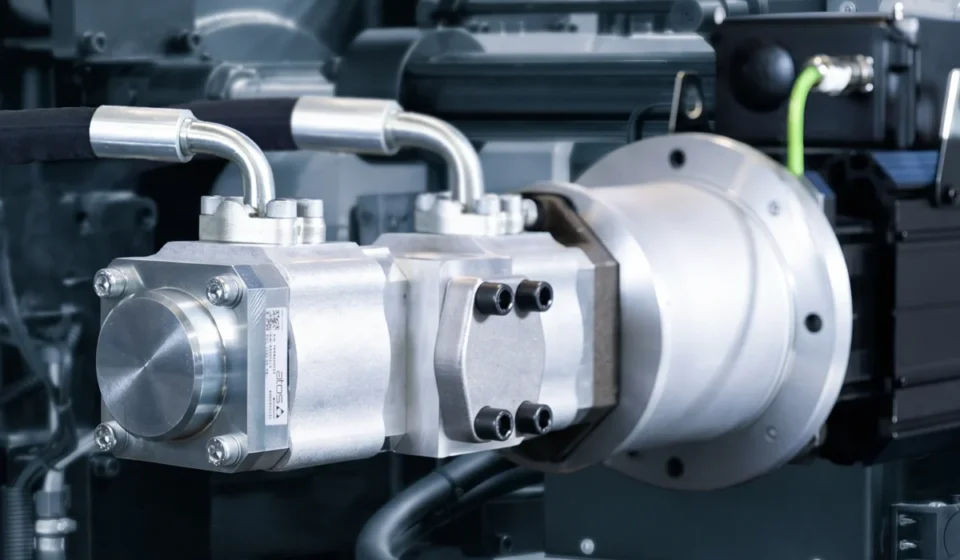
Modern electrohydraulic systems, such as the servopumps pioneered by companies like Atos, represent the cutting edge of this transition. These systems replace traditional, inefficient valving with high-precision digital control. By using sensors to monitor pressure and flow in real-time, these systems provide instantaneous feedback loops, allowing the hydraulic output to match the precise requirements of the load. This not only saves energy but also enhances the precision of the manufacturing process itself.
Energy Recovery and Regenerative Circuits
Innovative machine design now allows for the capture of energy that was previously lost as heat. During deceleration phases or when lowering heavy loads, potential energy can be captured via accumulators or regenerative circuits. This energy is then stored and reintroduced into the system for the next cycle, effectively turning the hydraulic system into a closed-loop energy management unit.
Industry Perspectives and Implications
The transition to these advanced systems carries profound implications for manufacturers. According to industry experts, the barrier to adoption is no longer the technology itself, but the integration strategy.
"Energy efficiency in hydraulics is not a ‘plug-and-play’ upgrade," notes a senior engineer at a leading fluid power firm. "It is a systemic approach. You must consider the interaction between the software control, the physical components, and the operational lifecycle of the machine. We are seeing a move away from standalone hydraulic power units toward fully integrated ‘smart’ machines where hydraulics, electronics, and software work in unison."
The Role of Fluids and Maintenance
Efficiency is also a matter of chemistry. Modern synthetic fluids with improved viscosity stability prevent the "viscous drag" that plagues older systems. Coupled with rigorous filtration and condition monitoring, these fluids ensure that the system maintains its peak efficiency rating throughout its operational life. The implication here is a shift in maintenance culture: instead of reactive repairs, plants are moving toward predictive maintenance, where sensors alert operators to degradation before it impacts energy efficiency.
The Outlook: AI, Machine Learning, and the Intelligent Factory
The future of hydraulics is inextricably linked to artificial intelligence. As we look toward 2030, the integration of machine learning algorithms into hydraulic control systems will enable "self-optimizing" machines. These systems will analyze historical data, predict peak load times, and adjust fluid parameters in real-time to ensure the lowest possible energy consumption.
This shift places hydraulics at the forefront of the modern factory. Rather than being viewed as an "old-school" technology destined to be replaced by electromechanical actuators, hydraulics are being re-positioned as the premier solution for high-force, high-reliability automation. The ability to pair the brute force of fluid power with the surgical precision of AI-driven control makes it a powerhouse of the "Industry 4.0" era.
Strategic Recommendations for Implementation
For companies looking to modernize their hydraulic infrastructure, the following strategic framework is recommended:
- Conduct an Energy Audit: Before replacing hardware, map the current energy consumption of existing hydraulic assets. Identify "bottleneck" processes where energy is being wasted through throttling or constant-speed operation.
- Prioritize Digital Integration: When procuring new equipment, mandate electrohydraulic components with diagnostic capabilities. The data generated by these components is essential for future AI integration.
- Upskill the Workforce: The modern hydraulic technician is as much a software operator as a mechanical specialist. Investing in training regarding digital control systems and data analytics is as critical as investing in the hardware itself.
- Lifecycle Cost Analysis: Shift procurement metrics away from "lowest initial purchase price" to "Total Cost of Ownership (TCO)." While energy-efficient systems may carry a higher upfront cost, the reduction in energy bills and maintenance downtime typically yields a return on investment within 18 to 36 months.
Conclusion
The hydraulic industry is currently undergoing a renaissance, driven by the dual pressures of economic efficiency and environmental stewardship. By embracing variable speed control, electrohydraulic integration, and data-driven maintenance, manufacturers can preserve the inherent performance benefits of fluid power while aligning their operations with the demands of the 21st century.
As the industry continues to evolve, the distinction between "hydraulic" and "electronic" systems will continue to blur. What remains clear is that the future of industrial manufacturing is intelligent, integrated, and, above all, efficient. The companies that successfully harness these advancements will not only reduce their carbon footprint but will also secure a significant competitive advantage in the global market.
This article is provided for informational purposes as part of a series on industrial innovation. The advancements discussed, particularly in the realm of electrohydraulics and servopump technology, are currently being deployed across the manufacturing sector to drive sustainable growth.