

Safeguarding Industrial Assets: Mitigating Offline Corrosion and Modernizing Layup Strategies in Steam Generation Systems

By Brad Buecker, Senior Technical Consultant, SAMCO Technologies
Published: September 10, 2026
Executive Summary: The Hidden Threat of Industrial Downtime
While industrial plant managers invest heavily in monitoring water chemistry, metallurgy, and operational parameters during active production cycles, a silent and highly destructive enemy often goes unchecked: offline corrosion. When steam generators, auxiliary vessels, and condensate systems are taken out of service—whether for routine maintenance, seasonal shutdowns, or load-following adjustments driven by renewable energy fluctuations—they become exceptionally vulnerable.
Without proper intervention, residual moisture and air in-leakage transform complex networks of waterwall piping, superheater tubing, and boiler drums into breeding grounds for aggressive localized corrosion. This fifth installment in our comprehensive review of industrial water system degradation explores the mechanics of downtime corrosion, evaluates legacy preservation techniques, and analyzes modern technological advancements—such as vapor phase corrosion inhibitors (VpCIs)—that are redefining plant asset management.
The Chronology of Vulnerability: How Air In-Leakage Destroys Idle Systems
To understand why industrial boilers degrade so rapidly during outages, one must examine the physical behavior of a steam generator as it transitions from active generation to a cold state.
Both conventional boilers and modern heat recovery steam generators (HRSGs) are intricate labyrinths of metallic components. When a unit is taken offline, the high-temperature water inside the internal circuits inevitably cools and contracts in volume. This thermal contraction induces a subtle yet powerful vacuum within the system.
[Unit Shutdown / Load Reduction]
         │
         ▼
[Water Cooling & Volume Contraction]
         │
         ▼
[Internal Vacuum Induced]
         │
         ▼
[Outside Air In-Leakage Drawn In]
         │
         ▼
[Stagnant Water + Oxygen Saturation = Rapid Pitting & Metal Penetration]
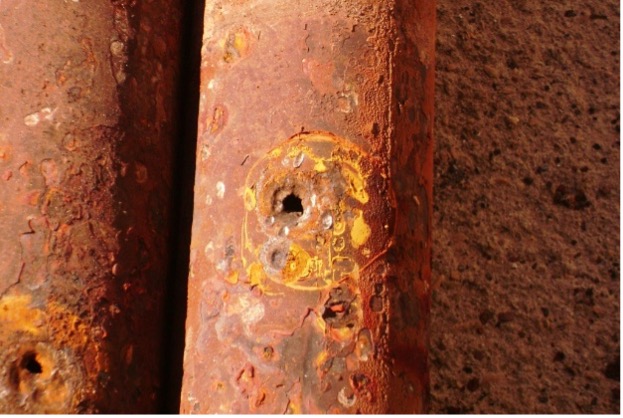
This vacuum acts as a siphon, drawing ambient outside air into the system. Once oxygen-laden air makes contact with standing water or damp metallic surfaces—particularly at the air-water interface—electrochemical corrosion cells are immediately established. This environment fosters rapid, localized pitting that can lead to through-wall metal penetration in remarkably short timeframes.

Historically, industrial facilities approached these outages with rigid, calendar-based maintenance schedules. In the base-load dominant era of the early 1980s, large power stations typically underwent a month-long overhaul every spring. Plant operators would systematically drain boilers at specific pressures (often around 25 psig, where water temperatures near 267°F induced "flash drying" across internal circuits) while utilizing residual heat to dry auxiliary equipment like deaerators, feedwater heaters, and condenser hotwells.
However, the modern energy landscape has fundamentally altered this timeline. With the rapid expansion of renewable energy sources such as wind and solar, combined-cycle power plants and HRSGs must frequently operate in a load-following capacity. Units are regularly cycled offline overnight or for a few days at a time, requiring rapid restarts and dynamic, highly adaptable layup protocols.

Supporting Data & Comparative Analysis: Traditional Layup vs. Modern Technologies
Choosing the correct layup procedure depends entirely on the projected length of the shutdown and the operational readiness required upon restart. Industrial maintenance teams generally choose between wet layup and dry layup methodologies, each carrying distinct engineering trade-offs.
Traditional Preservation Techniques and Their Limitations
-
Wet Layup (Chemical Adjustment):

- Mechanism: Filling the system completely with treated water, adjusting pH, and dosing high concentrations of oxygen scavengers/reducing agents.
- Drawbacks: Requires meticulous monitoring. If chemical residuals deplete, oxygen ingress can initiate unchecked corrosion. Furthermore, heavy vessels remain filled with water, complicating any internal mechanical repairs.
-
Dry Layup with Nitrogen Blanketing:
- Mechanism: Draining the boiler completely and maintaining a positive pressure of inert nitrogen gas to displace oxygen.
- Drawbacks: While effective in theory, nitrogen systems are prone to mechanical or operational failures. If a nitrogen generator malfunctions, air silently infiltrates the system. Moreover, nitrogen is an asphyxiant; maintaining nitrogen blankets introduces severe confined-space safety hazards for personnel working around the vessels.
The Rise of Vapor Phase Corrosion Inhibitors (VpCIs)
Addressing the safety vulnerabilities of nitrogen blankets and the maintenance overhead of traditional wet layups, the industrial water treatment sector has increasingly embraced Vapor Phase Corrosion Inhibitors (VpCIs).
As late cooling water and industrial chemistry expert Paul Puckorius frequently emphasized, the core objective of any chemical treatment program is the absolute protection of metal surfaces. VpCIs achieve this through a sophisticated physicochemical mechanism distinct from simple desiccants or inert gases.
┌────────────────────────────────────────────────────────┐
│           Comparison of Preservation Methods           │
├──────────────────────┬─────────────────────────────────┤
│ Preservation Method  │ Primary Protective Mechanism    │
├──────────────────────┼─────────────────────────────────┤
│ Desiccants           │ Removes moisture from air       │
├──────────────────────┼─────────────────────────────────┤
│ Nitrogen Blanketing  │ Displaces oxygen via inert gas  │
├──────────────────────┼─────────────────────────────────┤
│ VpCI Technology      │ Actively adsorbs molecular      │
│                      │ layer onto metal surfaces       │
└──────────────────────┴─────────────────────────────────┘
Unlike nitrogen, which merely attempts to remove a corrosive element, VpCIs utilize volatile chemical compounds that vaporize and diffuse throughout the entire boiler enclosure. These molecules travel to remote, inaccessible corners of the system—surfaces that traditional coatings or liquid treatments cannot reach—and form a microscopic, protective molecular layer via adsorption.
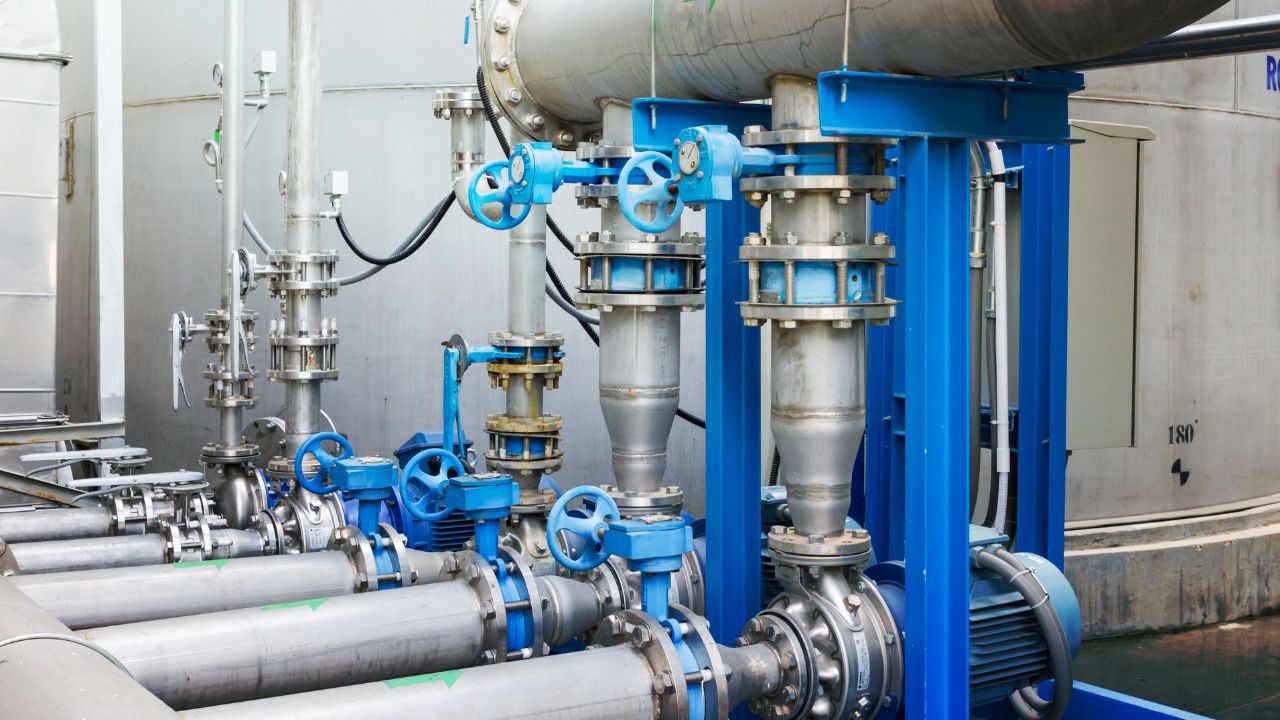
Crucially, VpCIs function effectively in multi-phase environments, protecting metal surfaces located both above and below the waterline. This makes them ideal for intermediate- to long-term wet or dry layups where systems must remain primed for rapid-fire deployment. When the plant is commanded to return to service, these non-hazardous compounds safely wash out or dissipate as vapor during the startup ramping process, eliminating the need for complex pre-startup flushes.
Official Industry Perspectives and Expert Guidance
Industry standards and empirical research consistently underscore that offline corrosion is not merely a localized nuisance—it is a system-wide catalyst for catastrophic failure.

When offline corrosion occurs, the resulting iron oxides and corrosion byproducts do not simply remain stationary. Upon startup, these particulate debris circulate through the feedwater and condensate loops, eventually entering the high-heat zones of the boiler. Here, the oxides precipitate onto waterwall tubes and internal heat-transfer surfaces.
This deposition creates two major operational hazards:

- Thermal Insulative Barriers: Deposits impede heat transfer, causing localized tube overheating and eventual creep rupture.
- Under-Deposit Corrosion: Porous deposit layers trap aggressive chemical species beneath them, setting off localized under-deposit corrosion cells that can breach tube walls from the inside out.
According to technical engineering guidelines compiled across electrical utility and chemical processing standards, plant engineers must perform rigorous risk assessments prior to initiating any shutdown. Relying on generic, one-size-fits-all layup procedures is a primary root cause of recurring tube failures.
Implications for Plant Operations and Asset Management
The economic and safety implications of mismanaged boiler downtime extend directly to the corporate bottom line. Unplanned outages resulting from tube leaks cripple production, trigger costly emergency repairs, and—most critically—jeopardize plant personnel safety.

By shifting from a reactive maintenance posture to a proactive asset preservation strategy utilizing advanced VpCI protocols, plant operators can achieve several strategic advantages:
- Extended Asset Lifespan: Mitigating pitting and wall thinning preserves the design integrity of multi-million-dollar boiler assets.
- Enhanced Operational Flexibility: Combined-cycle plants can cycle off and on rapidly in response to grid demands without sacrificing asset health.
- Improved Safety Compliance: Reducing or eliminating the reliance on high-pressure nitrogen asphyxiants creates a safer working environment during plant outages.
Disclaimer
The corrosion mechanisms and remediation strategies outlined in this review illustrate the diverse ways system degradation can manifest in industrial environments. Plant personnel, reliability engineers, and water treatment specialists must directly consult with qualified technical experts to evaluate metallurgy, specific operating parameters, and custom layup programs tailored to their facility’s unique architecture.
References
- Buecker, B., et al., Internal Boiler Circuit Corrosion Mechanisms During Shutdown Cycles, Power Industry Technical Journal, (Historical Reference).
- Industrial Boiler Preservation and Layup Guidelines, Reference Document 2, Electric Utility & Cogeneration Chemistry Workshop.
- Vapor Phase Corrosion Inhibitors: Mechanism and Application in Steam Generating Assets, Reference Document 3, AMPP Technical Publications.
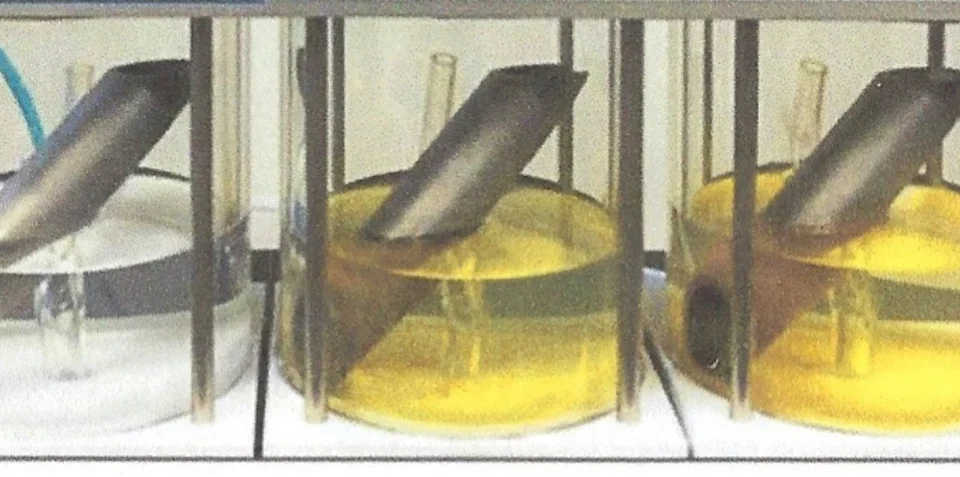
- Comparative Corrosion Testing of Black Iron Pipe Samples Under Varying Atmospheric Conditions (Air, Nitrogen, VpCI), Laboratory Evaluation Data, CorTec.