



Strategic Agility in Modern Retail: How TJX Companies Leverages the "Hold and Flow" Supply Chain Model to Outmaneuver Market Volatility

Published: September 18, 2026
Source: Supply Chain Intelligence Desk
Main Facts
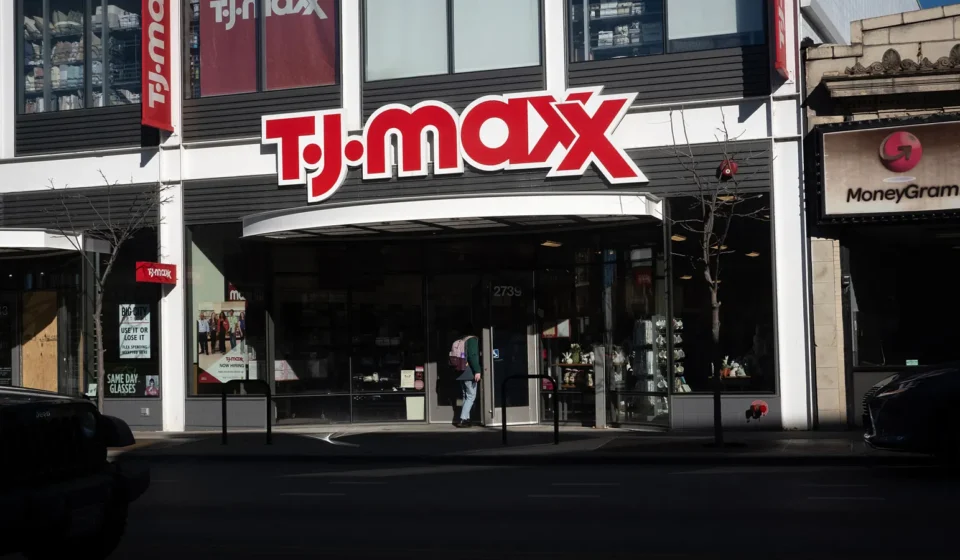
In the modern landscape of global retail, supply chain resilience has officially transitioned from a back-office administrative function to a primary driver of competitive advantage. During a recent Q2 earnings call, leadership at The TJX Companies—the parent organization behind major off-price retail banners including T.J. Maxx, Marshalls, and HomeGoods—shined a light on the operational mechanics that allow the retail giant to successfully navigate macroeconomic uncertainty, shifting consumer demand, and environmental disruptions like El Niño weather patterns.
At the heart of TJX’s operational playbook is a sophisticated inventory management framework known in supply chain circles as the "hold and flow" (or staged) model. Unlike traditional big-box retailers or direct-to-consumer brands that frequently rush incoming merchandise straight from manufacturing hubs and suppliers directly to storefront shelves, TJX maintains a deliberate buffering strategy. By utilizing its vast network of distribution centers (DCs) as strategic holding grounds, the off-price titan retains the unprecedented flexibility to pause, evaluate, and redirect inventory based on real-time market data, regional sales velocities, and sudden weather shifts.
This structural agility is not merely an operational luxury; it is the fundamental engine that powers the off-price retail model. By keeping a portion of its inventory parked safely within distribution networks, TJX can absorb supply chain shocks, avoid the pitfalls of over-allocation, and capitalize on opportunistic buying conditions—acquiring brand-name merchandise at a discount and deploying it precisely where and when consumer demand dictates.
Chronology
To understand how TJX Companies arrived at its current state of supply chain dominance, it is necessary to examine the evolutionary timeline of modern retail logistics and the specific events leading up to the recent Q2 earnings disclosures:
- Pre-Pandemic Era (The Foundation of Off-Price Logistics): For decades, off-price retailers built their reputations on the "treasure hunt" shopping experience. This experience relied on opportunistic purchasing—buying excess inventory, canceled orders, and closeouts from major brands. Initially, logistics networks were designed to process these unpredictable influxes of goods quickly, but forward-thinking executives recognized that storing and staging certain categories yielded higher margins and lower markdown rates.
- The Global Supply Chain Disruptions (2020–2022): The COVID-19 pandemic threw global logistics into chaos. Port congestion, erratic consumer spending, and extreme lead-time variability exposed the vulnerabilities of traditional "just-in-time" supply chains. Retailers relying exclusively on rapid-flow cross-docking found themselves drowning in overstock of the wrong items while facing severe stockouts in high-demand categories. During this period, staged inventory models proved vastly superior, allowing resilient retailers to buffer against port delays and port-to-door bottlenecks.
- Weather Volatility and Climate Pressures (2023–2025): As climate patterns intensified, seasonal predictability plummeted. Unseasonably warm winters, delayed autumns, and disruptive spring storms wreaked havoc on apparel and seasonal goods retailers. Companies utilizing rigid distribution plans were forced into massive, margin-destroying clearance events. Conversely, firms with staging capabilities successfully delayed the shipment of heavy winter apparel or seasonal goods until localized weather patterns genuinely supported consumer demand.
- Q2 Earnings Call and Strategic Revelation (September 2026): During the second-quarter earnings conference call led by CEO Ernie Herrman, TJX Executives provided rare, granular insights into how the company manages recurring climate disruptions—specifically referencing El Niño phenomena. Herrman detailed how the company’s distribution infrastructure acts as a dynamic shock absorber. Industry experts quickly identified and categorized this mechanism as the classic "hold and flow" strategy, sparking renewed interest in how off-price logistics models differ from traditional retail supply chains.
Supporting Data & Industry Analysis
To fully comprehend the mechanics of TJX’s strategy, supply chain analysts look at the broader dichotomy of retail distribution models. According to Dheera Anand, a partner at Bain and Co., who spoke extensively with Supply Chain Dive, retail supply chain strategies are far from a one-size-fits-all proposition. Instead, modern logistics management requires a nuanced understanding of inventory behavior.
Anand breaks down the operational spectrum into three core models:
1. The Hold and Flow (Staged) Model
Under this strategy, shipments arriving from global suppliers do not immediately travel to retail outposts. Instead, a designated portion of the inventory is intercepted and held within the retailer’s distribution centers, resting on racks and staging floors.
- The Mechanism: Inventory sits quietly while the corporate office collects real-time sell-through data, watches weather forecasts, and tracks regional buying trends.
- The Advantage: Goods slowly trickle into specific stores where velocity is high, entirely bypassing regions experiencing sluggish sales. This prevents localized dead stock and optimizes working capital.
2. The Flow-Through (Cross-Dock) Model
In stark contrast stands the traditional flow-through or cross-dock methodology.
- The Mechanism: Items arrive from suppliers at a centralized distribution hub, where they are rapidly sorted, labeled, and dispatched to retail locations within 24 to 48 hours. Minimal storage time occurs.
- The Advantage: This model reduces warehousing costs and accelerates inventory turnover, making it ideal for high-volume, highly predictable goods. However, it offers virtually no buffering capacity if demand suddenly craters.
3. The Hybrid Model
Recognizing that neither extreme fits every product category, many sophisticated retailers employ a hybrid approach. Anand notes that successful supply chain executives segment their product assortments based on complexity, predictability, and variability:

- High-Variability Assortments: Seasonal goods, trendy fashion items, and weather-sensitive products are routed through the hold and flow system. Because consumer appetite for these items is fickle, holding inventory provides essential risk mitigation.
- Low-Complexity Assortments: Staple items, basic garments, predictable home goods, and low-variety merchandise are funneled through the flow-through model to maximize efficiency and minimize handling costs.
Official Responses and Executive Insights
The strategic decisions highlighted in TJX’s Q2 earnings call underscore a fundamental shift in how retail executives view risk management. CEO Ernie Herrman emphasized that the company’s distribution model is purposefully engineered to absorb external variables—such as erratic weather patterns and macroeconomic shifts—that typically disrupt competitors.
"Our ability to hold inventory and react dynamically is a core competency," executive commentary implied during the financial disclosures. Rather than forcing merchandise onto store floors to meet arbitrary distribution schedules, TJX leverages its warehouse network as a strategic reservoir.
Supply chain partners and external analysts have validated this approach. "A portion of the inventory, based on predetermined data, stops and sits in the DC and sits on the racks. And so you don’t send everything right in that moment to the stores," Dheera Anand explained. This intentional friction in the supply chain grants buyers and merchandisers the luxury of time—a rare commodity in modern retail.
Furthermore, this operational discipline directly supports the off-price value proposition. By holding merchandise in reserve, TJX can control the cadence of supply entering the market, protecting retail pricing integrity across its thousands of storefronts while ensuring that shoppers continuously encounter a fresh, rotating selection of goods—the hallmark of the "treasure hunt" experience.
Implications
The widespread attention garnered by TJX’s supply chain disclosures points to several profound implications for the future of global retail logistics:

The Death of Rigid Just-In-Time Logistics
The era of blindly trusting lean, just-in-time supply chains is undergoing a harsh re-evaluation. While lean operations minimize holding costs during stable economic periods, they crumble under the weight of climate change, geopolitical instability, and volatile consumer behavior. Retailers across all sectors—from fast fashion to grocery and consumer electronics—are increasingly looking to adopt staged distribution principles.
The Growing Value of Real-Time Data Integration
The success of a "hold and flow" model relies entirely on visibility. A retailer cannot effectively stage inventory without robust, real-time analytics tracking sell-through rates down to the individual store and SKU level. As a result, investments in enterprise resource planning (ERP) systems, radio-frequency identification (RFID) tracking, and predictive AI analytics are surging. Companies must know why an item is selling in Chicago before deciding whether to release staged inventory from a Midwest distribution hub.
Climate Resilience as a Core Supply Chain Metric
With extreme weather events becoming more frequent and unpredictable—exemplified by shifting El Niño and La Niña cycles—supply chains must be engineered for meteorological resilience. Retailers that lack the physical warehouse capacity or the strategic flexibility to delay seasonal inventory face recurring margin compression as they resort to emergency markdowns. Moving forward, the ability to "hold" inventory safely away from unseasonably warm or stormy markets will be a primary differentiator between profitable retail chains and those struggling to clear inventory.
Competitive Pressure on Traditional Retailers
Traditional department stores and specialty apparel retailers, many of whom have historically relied on strict cross-docking or vendor-direct shipping, are being forced to rethink their real estate footprints. To match the agility of off-price giants like TJX, traditional players may need to invest heavily in regional warehousing capacity, transforming traditional static storage facilities into dynamic, responsive staging hubs.
Conclusion
The operational strategy articulated by TJX Companies during its Q2 earnings call offers a masterclass in modern retail supply chain management. By rejecting rigid dogma in favor of the flexible "hold and flow" model, TJX has demonstrated that strategic inventory staging is far more than a defensive maneuver—it is an offensive weapon. As global markets continue to face environmental, economic, and logistical turbulence, the retailers that thrive will be those that master the delicate balance between moving fast and knowing when to hold their ground.