



McCormick & Co. Pivots to Tariff Refunds to Combat Inflationary Pressures Amid Middle East Conflict

By Antone Gonsalves
Published July 2, 2026
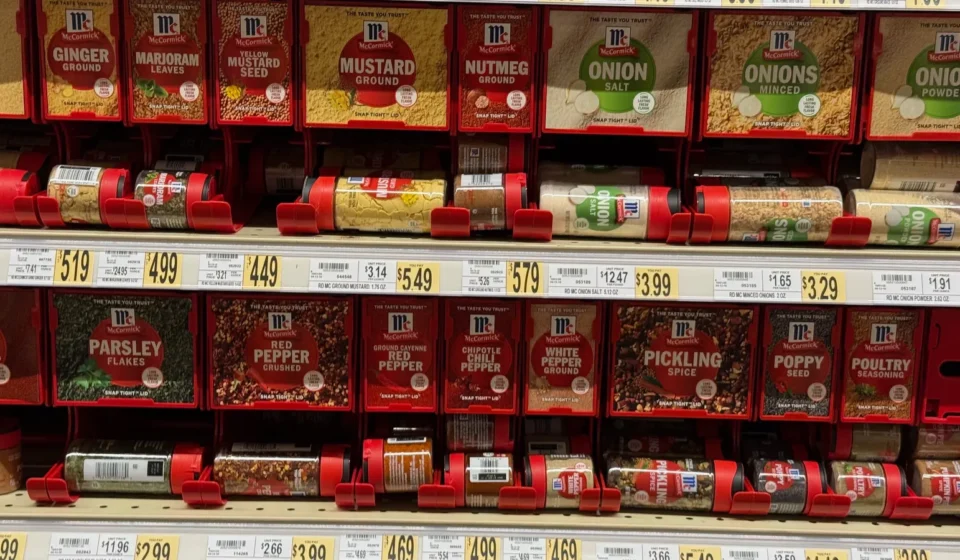
As global supply chains grapple with the dual challenges of geopolitical instability and shifting trade policies, McCormick & Co., the global leader in spices and flavorings, has announced a strategic financial maneuver. The company plans to leverage significant tariff refunds to mitigate the escalating logistics and material costs stemming from the ongoing conflict involving Iran.
The strategy highlights a growing trend among multinational corporations forced to navigate a volatile economic landscape where traditional procurement models are frequently disrupted by regional warfare and legal battles over international trade duties.
The Core Strategy: Offsetting Inflationary Headwinds
McCormick & Co. is currently facing a fiscal year characterized by approximately 6% cost inflation. This surge is not merely a result of market fluctuations but is directly linked to the conflict in the Middle East. According to EVP and CFO Marcos Gabriel, the disruption to oil shipments through the Strait of Hormuz has triggered a sharp rise in energy prices, which, in turn, has rippled through the company’s global logistics network.
To counteract these pressures, the company is reallocating funds retrieved from nullified country-specific duties. These refunds, a result of recent Supreme Court interventions regarding the scope of presidential emergency powers, are providing a critical liquidity buffer for McCormick as it seeks to maintain its pricing power and operational margins without passing the full brunt of these costs onto the consumer.
Chronology: A Timeline of Trade Volatility and Legal Shifts
The current fiscal situation at McCormick is the culmination of several years of legislative and geopolitical tension.
- Pre-2025: McCormick builds a highly diversified supply chain, sourcing thousands of unique ingredients from over 80 countries. This strategy was initially designed to mitigate localized supply shortages but became a vulnerability under aggressive tariff regimes.
- Early 2026: The Supreme Court issues a landmark ruling invalidating specific country-based tariffs that had been imposed under presidential emergency powers. This ruling opens the door for companies like McCormick to claim refunds on previously paid duties.
- Q1 2026: Conflict in the Middle East escalates, leading to significant disruptions in shipping lanes through the Strait of Hormuz. Energy and freight costs begin an immediate upward trajectory.
- April 2026: The U.S. Court of International Trade rules the administration’s new 10% global tariff (imposed under Section 122 of the Trade Act of 1974) to be illegal. The administration moves to appeal, leaving corporations in a state of regulatory limbo.
- July 2026: McCormick announces it will utilize the recently recovered tariff refunds to offset the operational expenses exacerbated by the regional conflict.
Supporting Data: The Cost of Global Conflict
The economic burden on McCormick is quantified by a 6% inflation rate for the current fiscal year. This figure is heavily influenced by:
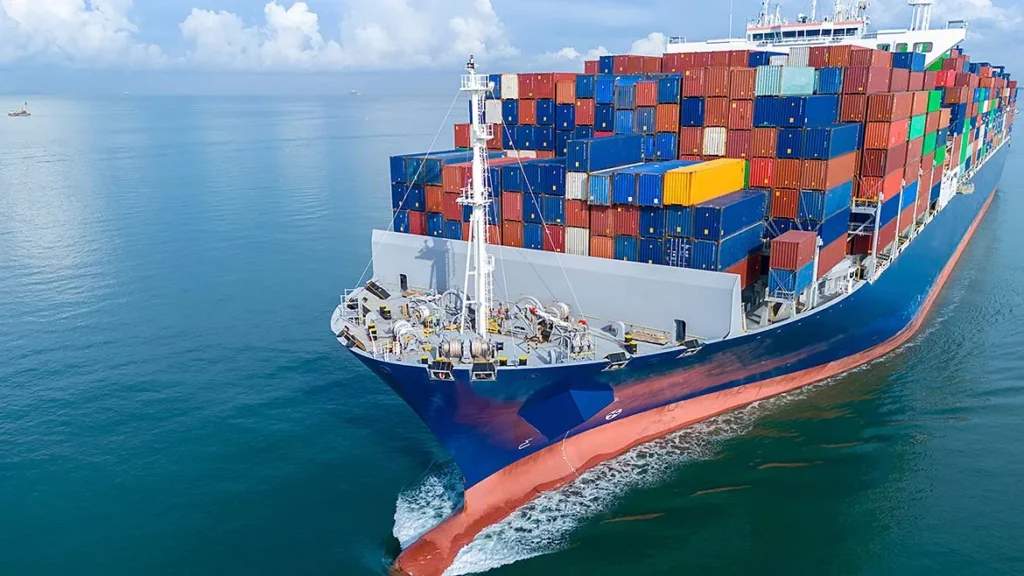
- Logistics Overheads: The conflict has led to a constriction of freight capacity, driving up the cost of international shipping. Because McCormick sources raw materials that are not commercially available within the United States, they are particularly sensitive to these ocean and air-freight disruptions.
- The Tariff Landscape: While the company is successfully recovering funds from previous trade disputes, the financial outlook remains complicated. McCormick anticipates additional costs throughout the year, specifically tied to the ongoing 10% global tariff policy.
- Industry Comparisons: McCormick is not alone in this financial tug-of-war. Other major players have also sought relief. For instance, Deere & Co. successfully recovered $272 million in tariff refunds, though it continues to forecast $900 million in net tariff costs. Meanwhile, BJ’s Wholesale Club has opted to pass its tariff reimbursements directly to consumers, reducing overall retail prices by roughly 0.5% to maintain competitive positioning.
Official Responses and Corporate Strategy
The stance from McCormick’s leadership remains one of cautious management. CFO Marcos Gabriel has emphasized that the ripple effects of the Iran-related logistics crisis will likely persist for the remainder of the calendar year.
"Our ability to source globally is a core competency, but it necessitates a sophisticated response to trade barriers and geopolitical friction," Gabriel noted during a recent briefing. The company’s reliance on these refunds underscores a pivot in corporate treasury management: treating trade-law-related windfalls as a vital hedge against unpredictable macroeconomic shocks.
The legal battle over Section 122 of the Trade Act of 1974 remains the primary point of friction. With the Trump administration appealing the Court of International Trade’s decision, firms like McCormick are operating under the assumption that the 10% global tariff will continue to apply pressure, even as they attempt to recoup capital from the invalidated duties of the past.

Implications for the Supply Chain
The implications for the broader procurement industry are profound.
1. The End of "Just-in-Time" Certainty
The conflict-driven inflation serves as a reminder that supply chains are increasingly susceptible to "choke points." For a company like McCormick, which relies on the purity and origin-specific quality of spices, moving production to the U.S. is not a viable short-term solution. Consequently, they are forced to pay a "geopolitical premium" for logistics.
2. Legal Strategy as Procurement Strategy
Procurement departments are no longer just focused on supplier relationships and volume discounts. As seen with the Supreme Court-led tariff refunds, legal monitoring has become a core component of supply chain management. The ability to track, audit, and petition for the return of wrongly levied duties is now a high-stakes financial activity that can make or break a quarterly earnings report.
3. The Tug-of-War on Consumer Pricing
McCormick’s decision to use refunds to mitigate internal costs, rather than lowering prices for the consumer (as BJ’s Wholesale Club did), highlights a divergence in business models. For a manufacturer like McCormick, the priority is protecting margins against the 6% inflation rate. For a retailer, the priority is volume and foot traffic. This demonstrates that the impact of trade policy on the end-user is highly dependent on a company’s position in the value chain.
Looking Ahead: Managing Volatility
As the year progresses, the resilience of McCormick’s supply chain will be tested. The company must balance the ongoing logistical hurdles in the Middle East with the persistent, albeit legally contested, global tariff regime.

Investors and analysts remain focused on whether these tariff refunds will be sufficient to cover the long-term inflationary damage. If the conflict in the Middle East deepens or if the appellate court rules in favor of the administration’s 10% tariff, McCormick may need to consider more aggressive pricing strategies or further diversifying its ingredient sourcing away from regions affected by maritime volatility.
In conclusion, the situation at McCormick & Co. acts as a microcosm for the modern global corporation: trapped between the necessity of international trade and the rising costs of a fractured, conflict-prone world. Success in this environment requires not just operational efficiency, but a proactive engagement with the intersection of international law, trade policy, and regional security.
Editor’s note: This analysis underscores the increasing complexity of global procurement. For ongoing coverage of these developments, subscribe to the Procurement Weekly newsletter.