




Honoring the Fallen: Department of Labor Launches New Round of Brookwood-Sago Mine Safety Grants

By Jesse Jacobs, Assistant Editor, OHSOnline
In an ongoing commitment to bolstering the safety culture of the American mining industry, the U.S. Department of Labor has officially announced the latest cycle of the Brookwood-Sago Mine Safety Grants. This federal initiative, which offers up to $250,000 in competitive funding, is designed to enhance the quality of safety and health training provided to miners across the nation. By focusing on the proactive identification, avoidance, and prevention of hazardous working conditions, the program seeks to ensure that every miner returns home safely at the end of their shift.
The grant program is administered by the Mine Safety and Health Administration (MSHA), a federal agency tasked with the critical mission of preventing death, illness, and injury from mining and promoting safe and healthful workplaces for U.S. miners. As the industry faces evolving technological and environmental challenges, this funding represents a vital investment in human capital and operational integrity.
The Historical Mandate: A Legacy Born from Tragedy
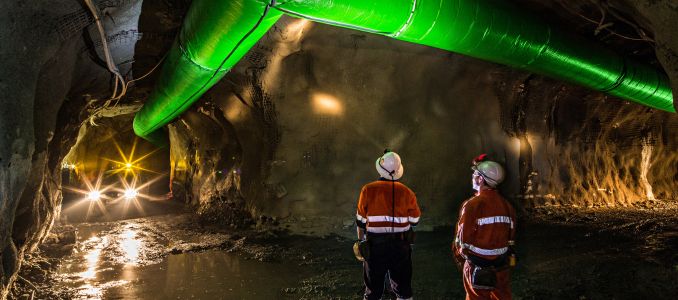
To understand the weight of the Brookwood-Sago Mine Safety Grants, one must look back at the somber history that necessitated their creation. The program is not merely a bureaucratic line item; it is a legislative memorial established under the Mine Improvement and New Emergency Response (MINER) Act of 2006.
The legislation was born from the collective grief of the nation following two separate, catastrophic mining disasters that claimed the lives of 25 workers. The first occurred in 2001 at the Jim Walter Resources No. 5 Mine in Brookwood, Alabama, where a series of explosions resulted in the loss of 13 lives. Less than five years later, the industry was rocked again when 12 miners perished in the Sago Mine in Buckhannon, West Virginia, in early 2006.
These tragedies served as a harrowing reminder of the inherent volatility of underground mining and the critical need for advanced emergency response, communication, and escape technologies. The MINER Act of 2006 was passed with bipartisan support to mandate more rigorous safety standards, and the grant program was codified to ensure that the memory of these 25 men would continue to drive improvements in safety training long after their passing.

Program Objectives: Empowering the Workforce
The primary goal of the Brookwood-Sago grants is to provide resources for the development and delivery of specialized training programs. The current funding cycle focuses on several key areas that are essential to modern mine safety:
- Hazard Identification and Avoidance: Training miners to recognize the subtle, often overlooked precursors to accidents, such as ground instability, gas accumulation, or equipment fatigue.
- Emergency Preparedness: Developing comprehensive training modules for emergency response and recovery tailored to specific mining environments, including both underground and surface operations.
- Cultural Shift: Promoting a "safety-first" mentality that empowers workers to voice concerns without fear of reprisal, fostering a collaborative relationship between labor and management.
- Technological Integration: Educating the workforce on the latest safety technologies, including proximity detection systems, atmospheric monitoring, and advanced communication gear.
By providing the necessary financial support, MSHA enables educational institutions, non-profits, and other eligible entities to create high-impact training materials that can be distributed nationwide, ensuring that best practices are not siloed within single companies or regions.
The Chronology of Implementation
The rollout of the current grant cycle follows a strict administrative timeline designed to ensure transparency and efficiency:

- Announcement of Availability: The U.S. Department of Labor officially opened the application window, inviting public and private sector organizations to submit proposals.
- The Application Window: Prospective applicants have been given a firm deadline of August 31 to submit their comprehensive funding requests. During this period, MSHA encourages organizations to consult with industry experts to ensure their proposals address current, high-priority safety gaps.
- Evaluation Phase: Following the close of the application window, a panel of MSHA experts and federal safety specialists will review the proposals. The review process is rigorous, focusing on the potential impact of the training, the credentials of the instructors, and the sustainability of the proposed program.
- Award Notification: MSHA officials have committed to announcing the successful award recipients by September 30. This ensures that funding is allocated and available for projects to begin in the final quarter of the calendar year.
Supporting Data: Why Training Matters
The efficacy of training in the mining sector is backed by decades of data. Mining remains one of the most hazardous industries in the United States, and the correlation between robust training programs and incident reduction is statistically significant.
According to data from the Mine Safety and Health Administration, the frequency and severity of mining accidents have seen a downward trend over the past two decades—a trajectory that aligns with the implementation of the MINER Act and subsequent federal oversight. However, even a single fatality is considered one too many by federal regulators.
Training programs funded by the Brookwood-Sago grants provide more than just compliance checklists. They provide "situational awareness" training. In the context of a deep-shaft coal mine or a large-scale surface quarry, the difference between a near-miss and a fatality often comes down to the split-second decision-making of the miners on the ground. Research suggests that workers who undergo regular, simulation-based emergency training are better equipped to remain calm during crises, follow escape protocols, and utilize self-contained self-rescuers (SCSRs) effectively.
Official Responses and Industry Implications
The announcement has been met with broad support from labor unions, industry trade associations, and safety advocacy groups. In recent statements, Department of Labor officials emphasized that these grants are a pillar of their "Safety First" agenda.
"Safety training is not a luxury; it is a foundational element of the mining industry," a department spokesperson noted during the announcement. "By investing in these grants, we are ensuring that the lessons learned from the tragedies at Brookwood and Sago are woven into the fabric of daily operations."
For mine operators, the implication is clear: the federal government is shifting toward a model of partnership rather than just enforcement. By providing the tools for training, MSHA is signaling that while they will continue to enforce strict safety regulations, they are also committed to helping the industry reach the ultimate goal of zero fatalities.

For the mining companies that receive these grants, the benefits extend beyond mere safety compliance. Organizations with high safety standards often report higher employee retention, lower insurance premiums, and increased operational efficiency. When workers feel that their employer is investing in their lives, morale improves, and the entire production chain benefits.
Looking Toward the Future: The Evolution of Mine Safety
As the mining industry moves deeper into the 21st century, the nature of safety training is also changing. With the introduction of Artificial Intelligence (AI) for predictive maintenance, drone technology for mine surveying, and wearable biometrics for monitoring worker health, the scope of what needs to be taught is expanding.
The Brookwood-Sago grants are designed to be flexible enough to accommodate these shifts. The Department of Labor has expressed interest in proposals that incorporate modern digital learning tools, such as Virtual Reality (VR) simulations that allow miners to practice emergency responses in a risk-free environment. These innovations represent the next frontier in the effort to honor the 25 fallen miners by ensuring that the next generation of workers is the best-trained in history.
The window for submission is rapidly closing. For organizations interested in applying, the official MSHA website provides detailed guidance on the application criteria and the administrative requirements for managing federal funds.
Conclusion
The Brookwood-Sago Mine Safety Grants stand as a testament to the idea that tragedy should serve as a catalyst for progress. By honoring the 25 miners who lost their lives in Alabama and West Virginia, the Department of Labor is fostering a culture of safety that transcends individual companies and reaches every corner of the American mining landscape. As the September 30 deadline for award announcements approaches, the industry watches with anticipation, knowing that the resulting programs will play a vital role in protecting the lives of the thousands of men and women who power our nation.
Through education, vigilance, and a collective commitment to safety, the legacy of those lost continues to save lives today, ensuring that the promise of a safe workplace remains the industry’s highest priority.