





Democratizing Diagnostics: How 3D Printing is Rewriting the Future of Medical Sensing

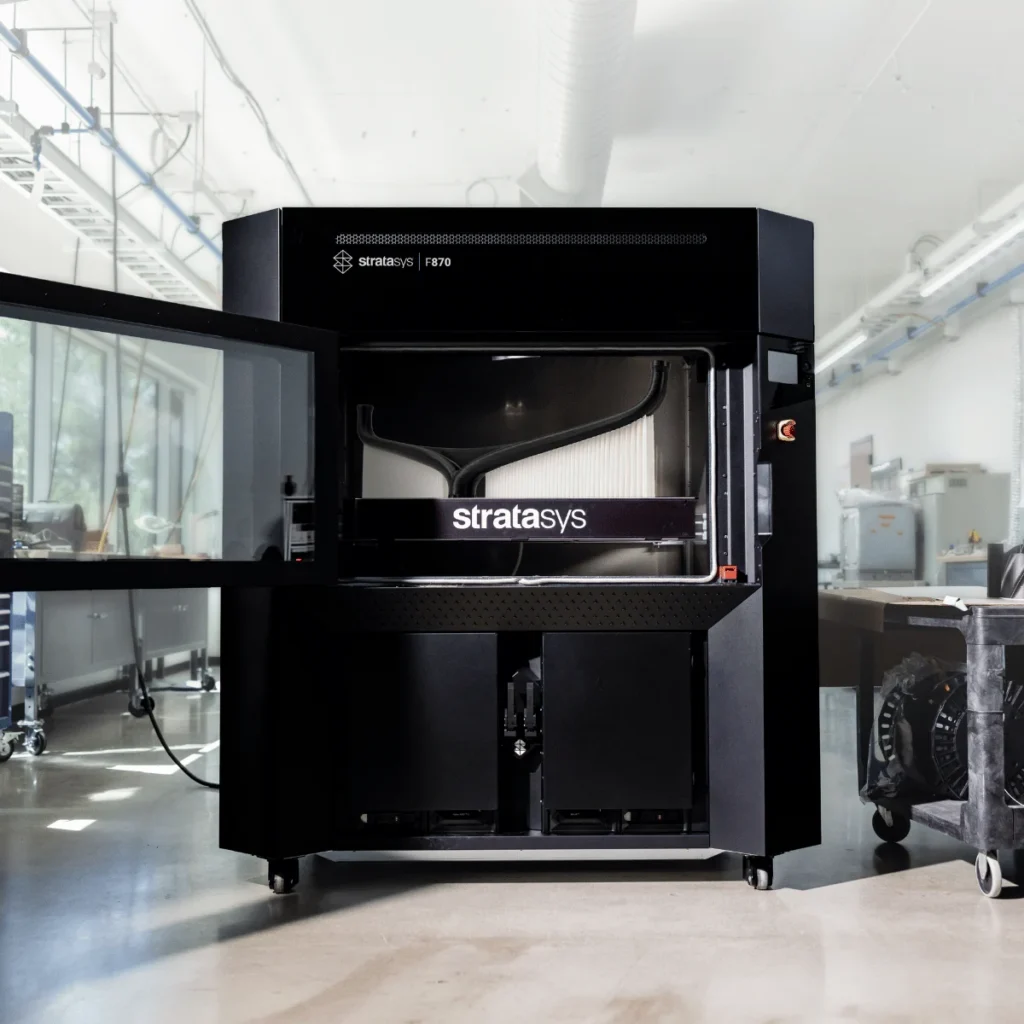
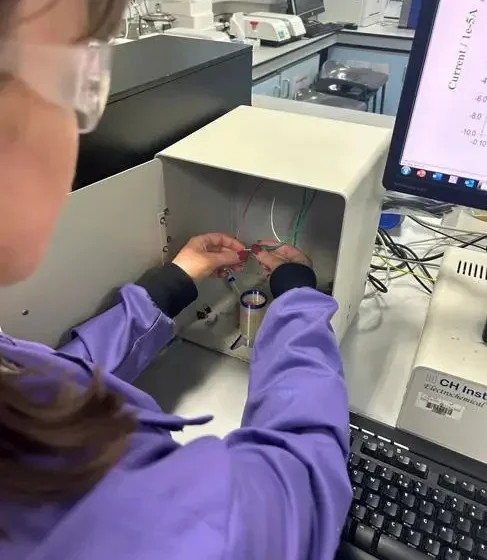
In a significant leap for global healthcare accessibility, a pioneering research team at the University of Brighton is fundamentally challenging the status quo of medical diagnostics. Led by Professor Bhavik Patel, the group has spent the last three years developing a new class of medical sensors that are not only inexpensive and environmentally sustainable but also designed to be manufactured using standard, widely available 3D printers and basic electronic components. By stripping away the need for proprietary, high-cost production lines and specialized clean-room facilities, the team is effectively democratizing the ability to produce life-saving diagnostic tools.
The Core Innovation: Redefining Manufacturing
For decades, the medical device industry has been dominated by centralized, complex, and costly manufacturing processes. This reliance on "big-tech" infrastructure has created a significant barrier to entry, leaving millions of people in low-resource settings without access to timely, accurate diagnostics.
Professor Patel’s approach shifts the paradigm from mass-produced, centralized manufacturing to localized, modular production. By utilizing 3D printing technology, the Brighton team has created a blueprint for sensors that can be fabricated on-demand. These devices utilize recycled or readily available materials, significantly reducing the carbon footprint associated with both the production and the disposal of traditional, single-use plastic medical components.
"Around the world, millions of people don’t benefit from the latest diagnostic technologies because they’re expensive to manufacture, require specialist equipment, or simply aren’t practical to produce at scale," Professor Patel explained. "We wanted to start again and ask a different question: what would a medical sensor look like if it was designed to be affordable, sustainable, and simple enough for almost anyone to manufacture? That’s the challenge we’ve been working towards."
A Chronology of Discovery
The research trajectory at the University of Brighton has been marked by a systematic move from theoretical design to practical, clinically relevant prototypes.
- Phase I (Years 1-1.5): The Foundation of Simplification. The team began by analyzing the fundamental architecture of existing biosensors. They identified the primary bottlenecks—costly specialized materials and complex assembly—and replaced them with additive manufacturing (3D printing) workflows and accessible electronics.
- Phase II (Year 2): Proof of Concept for Specific Pathologies. The team began targeting specific biomarkers. Under the guidance of Professor Patel, PhD researcher Dr. Chloe Miller and graduate Athira Prasanth successfully developed a stool-sample sensor for sugar analysis. This marked the transition from "lab curiosity" to a tangible diagnostic tool with potential clinical utility.
- Phase III (Year 3 to Present): Expansion and Multi-Institutional Collaboration. The team expanded its scope, collaborating with the University of Strathclyde, the National Measurement Laboratory at LGC, and the University of Naples Federico II. This phase saw the development of sensors for cardiac troponin (a heart attack biomarker) and molecules associated with lung cancer, signaling the versatility of their platform technology.
Supporting Data: Costs and Capabilities
The economic impact of this research is striking. By leveraging additive manufacturing, the team has successfully produced high-performance sensors at a fraction of the cost of current market alternatives:
| Diagnostic Target | Estimated Unit Cost | Clinical Potential |
|---|---|---|
| Intestinal Sugars | < £0.10 | Malabsorption monitoring |
| TNFα (Gut Inflammation) | < £0.15* | IBD/Crohn’s tracking |
| Cardiac Troponin | ~ £0.20 | Heart attack triage |
| Lung Cancer Biomarkers | ~ £0.30 | Early detection screening |
*Estimated based on research team data
These figures represent more than just savings; they represent the removal of the "affordability barrier." For instance, the intestinal sugar sensor, costing under ten pence, could revolutionize the care of children and elderly patients suffering from malabsorption, where frequent monitoring is currently prohibitively expensive in many global health systems.
Official Perspectives and Academic Synergy
The research has garnered significant attention for its adherence to "green" principles. Unlike conventional medical hardware, which is frequently single-use and contributes to the global crisis of medical waste, the Brighton sensors are designed with recyclability at the forefront.
"Although each of these projects tackles a different health challenge, they’re all built on the same idea: creating diagnostic technologies that are better for patients, better for the environment and easier for the world to use," says Professor Patel.
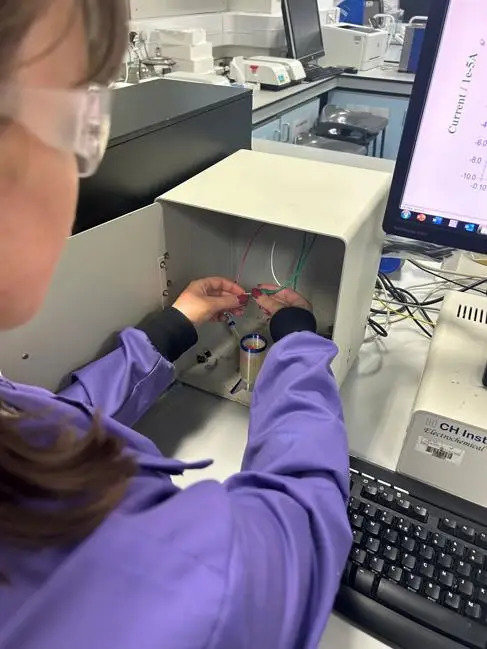
The collaboration with external institutions has also been vital. By working with the National Measurement Laboratory at LGC, the team has ensured that their low-cost devices meet rigorous scientific standards, proving that "low cost" does not equate to "low accuracy." The successful detection of cardiac troponin in human serum at these price points is perhaps the most compelling evidence of the platform’s viability for high-stakes medical environments.
The Global Implications of Democratized Diagnostics
The work at the University of Brighton does not exist in a vacuum; it is part of a growing movement of "frugal innovation" in the medical sector. This movement aims to solve complex health problems by designing technology that is inherently compatible with the infrastructure of developing nations or under-funded clinics.
The Parkinson’s Pen: A Case in Point
The global appetite for this approach is evidenced by the University of California, Los Angeles (UCLA) 2025 breakthrough. Led by Professor Jun Chen, the team developed an AI-powered 3D printed diagnostic pen for Parkinson’s disease. By using magnetic particles and machine learning to analyze handwriting tremors, the pen provides a diagnostic accuracy comparable to clinical neurology exams but at a fraction of the cost. Like the Brighton project, this technology is designed to bypass the need for expensive neuro-imaging, making it accessible for low-income countries where specialists are scarce.
Scaling Prosthetic Solutions
Further demonstrating the power of 3D printing in healthcare, the NGO STAND, in partnership with the European Union and the University of Southampton, has successfully piloted a program in The Gambia. By using 3D scanning and printing to create prosthetic sockets, they have reduced both the production time and the environmental impact of traditional limb replacement. By eliminating hazardous chemical casting processes, they have created a safer, more sustainable, and highly replicable model for limb care across the African continent.
The Future: Building a Global Diagnostic Toolkit
Looking ahead, Professor Patel’s team is focused on the ultimate goal: a comprehensive, open-access "diagnostic toolkit." This would not be a single device, but a library of verified, 3D-printable designs that any clinical facility—whether in a major UK city or a remote community in the Global South—could download and produce.
The vision is to strip away the gatekeepers of medical technology. By standardizing the design files and ensuring they can be printed on widely available hardware, the Brighton team is creating a "plug-and-play" ecosystem for global health. This is not just about making testing cheaper; it is about making testing possible in places that have been ignored by traditional diagnostic manufacturers.
Overcoming Challenges to Implementation
While the technology is sound, the path to widespread adoption faces hurdles, primarily in the areas of regulatory approval and clinical validation. Every medical device, regardless of how it is produced, must undergo stringent safety and efficacy testing. The Brighton team is already working on clinical validation as the next milestone for their intestinal sugar sensor.
Furthermore, the shift toward decentralized manufacturing will require new regulatory frameworks. Health authorities will need to develop systems to verify the quality of "printed-on-demand" devices. However, the potential benefits—rapid response to local outbreaks, reduced reliance on global supply chains, and significant cost savings—provide a compelling argument for regulators to adapt.
Conclusion
The University of Brighton’s work represents a fundamental shift in how we conceive, build, and deploy medical technology. By combining the precision of modern biosensing with the accessibility of additive manufacturing, Professor Patel and his colleagues are proving that the most advanced medical solutions don’t always require the most advanced factories. They require only ingenuity, a commitment to sustainability, and a desire to make healthcare a universal right rather than a privileged commodity.
As the 2026 Additive Manufacturing Applications (AMA) series approaches, the industrialization of these concepts will likely be at the forefront of the conversation. The transition from lab-based prototypes to real-world deployment is rarely easy, but the groundwork laid in Brighton suggests that the era of accessible, 3D-printed diagnostics is no longer a futuristic vision—it is an impending reality.