




Global Electronics Supply Chains Buckle Under Extreme Heat, Industry Survey Reveals

WASHINGTON — As climate change continues to rewrite meteorological records across the globe, industrial sectors that once viewed weather strictly as a seasonal inconvenience are now confronting existential threats to their operational continuity. A comprehensive new industry trade association survey released Tuesday reveals that electronics manufacturers worldwide experienced severe, widespread supply chain disruptions this year driven directly by extreme heat events.
According to the data compiled by the Global Electronics Association, supplier delivery delays emerged as the most damaging manifestation of these thermal shocks. Nearly half of all surveyed manufacturers reported that supplier fulfillment was critically compromised, with an even split of 50% of respondents in North America, Europe, and the Asia-Pacific region citing severe bottlenecks.
The findings illuminate a growing vulnerability in modern manufacturing: the hyper-optimized, just-in-time global supply chain assumes a stable, temperate operating environment. As persistent heatwaves strain power grids, warp transportation infrastructure, and force factories to throttle production to protect equipment and workers, the fragility of the electronics ecosystem is coming into sharp focus.
Main Facts
The Global Electronics Association survey highlights several critical takeaways regarding the intersection of extreme weather and modern manufacturing:
- Pervasive Disruptions: Roughly 40% of electronics manufacturers globally reported experiencing some form of heat-related supply chain disruption over the past year.
- The Primary Bottleneck: Supplier delivery delays were universally cited as the most severe impact. While the survey did not pinpoint the exact mechanical causes of these delays, industry experts attribute them to a cascading mix of labor constraints, factory-level operational caps, and logistics gridlocks.
- Productivity Toll: More than four-fifths (80%) of manufacturers worldwide who encountered heat-related disruptions noted a direct, negative impact on overall productivity and operational throughput.
- Regional Exposure: More than half of all manufacturers globally reported that their supply chains were exposed to severe heat-related disruptions. In North America, 47% of firms reported exposure, broken down into 6% experiencing high exposure and over 40% experiencing slight or moderate exposure.
- Anxiety in Unaffected Sectors: North American firms that successfully avoided heat disruptions this year are nonetheless bracing for future vulnerabilities. Their top anticipated bottlenecks include cooling capacity limits and power reliability issues, such as grid curtailments, both cited by 29% of respondents.
- Future Outlook: Looking ahead, more than two-thirds of manufacturers globally expect extreme heat to drive interruptions in productivity and operational throughput in the coming years.
Chronology of an Escalating Crisis
To understand how extreme heat transformed from an environmental concern into a boardroom crisis for electronics manufacturers, it is necessary to examine the timeline of systemic vulnerabilities that have built up over recent decades.
Pre-2020s: The Illusion of Environmental Neutrality
Historically, electronics manufacturing focused heavily on labor costs, proximity to raw materials, and tax incentives. Climate considerations were largely restricted to natural disasters like floods, hurricanes, or earthquakes. High-tech cleanrooms and assembly plants were engineered for internal climate control—maintaining strict temperature and humidity parameters for sensitive semiconductor fabrication and assembly—while assuming the external environment would remain within historical norms.
The Pandemic and Post-COVID Fragility (2020–2023)
The COVID-19 pandemic exposed the brittle nature of global logistics, introducing executives to concepts like port congestion, chip shortages, and warehouse bottlenecks. As global supply chains slowly untangled themselves from these pandemic-era knots, they faced a new compounding variable: accelerating climate anomalies. Record-shattering heatwaves across Europe, China, and the United States began to test the limits of infrastructure that had not been stress-tested for prolonged, multi-week stretches of extreme temperatures.
The 2026 Boiling Point
By 2026, the cumulative effect of rising global temperatures reached a tipping point for the electronics sector. Summer heatwaves were no longer brief anomalies but extended meteorological events lasting weeks at a time. The Global Electronics Association’s September 2026 survey captured this inflection point, documenting how unprecedented ambient temperatures translated directly into missed production schedules, shipping delays, and factory slowdowns across major manufacturing hubs.
Supporting Data and Regional Breakdown
The survey data provides a granular look at how heat-related disruptions manifest across different geographies, with a particular focus on North America.
North American Impact Metrics
In North America, the distribution of disruption severity highlights a bifurcated experience. While the majority of respondents managed to dodge catastrophic failures, a significant minority felt acute operational pain:
- No Disruptions: 57% of North American respondents reported experiencing no heat-related disruptions.
- Minor Disruptions: 20% reported minor interruptions.
- Moderate Disruptions: 6% cited moderate impacts.
- Major Disruptions: 6% faced major interruptions.
When looking at the subset of North American firms that did experience heat-related disruptions, the impact on productivity was profound: 13% reported major impacts on operational throughput, while 50% reported moderate impacts.
Defining "Moderate" Operational Strain
Shawn DuBravac, Chief Economist at the Global Electronics Association, clarified the operational reality behind these statistics during an interview with Supply Chain Dive.
"To me, a moderate impact would be something that has to be addressed, something that impacted throughput, that impacted production schedules," DuBravac explained. These are not minor inconveniences that can be swept under the rug; they represent tangible deviations from manufacturing forecasts that ripple down the entire supply chain, ultimately resulting in delayed shipments to end-users and enterprise clients.
Anticipated Bottlenecks for Unaffected Firms
Interestingly, North American firms that reported escaping heat-related disruptions this year are harboring deep anxieties about the future. When asked about potential vulnerabilities moving forward, respondents pointed to several key operational constraints:
- Cooling Limits and Power Reliability: Tied for the top spot at 29% each, firms are acutely aware that their facilities have thermal ceilings and that local electrical grids may struggle to supply the massive energy loads required to run air conditioning and heavy machinery simultaneously.
- Logistical and Equipment Failures: 17% of North American firms cited transportation delays, unplanned equipment downtime, and supplier delivery delays as primary concerns.
- Minor Concerns: Single-digit percentages of respondents worried about customer demand disruptions, missed shifts, reduced staffing levels, and product quality defects resulting from thermal stress.
Official Responses and Expert Analysis
As industrial sectors grapple with these findings, economic analysts and trade leaders are urging a fundamental shift in how companies approach operational risk management.
The Mystery of Supplier Delays
While the Global Electronics Association survey clearly identified supplier fulfillment as the most severely impacted area, the questionnaire did not explicitly demand that respondents categorize the exact mechanical catalysts for these delays. However, industry veterans like DuBravac emphasize that these delays are rarely the result of a single isolated failure.
"My sense is that it was probably an assortment of different things that would fall under that broader category of supplier delays," DuBravac noted.
These contributing factors likely include:
- Labor Constraints: Extreme heat poses severe health and safety risks to warehouse workers and logistics personnel, leading to slowed operations, mandatory hydration breaks, or reduced shifts to prevent heatstroke.
- Factory-Level Constraints: Assembly plants often have to throttle the speed of machinery or shut down entirely during peak heat hours to prevent equipment overheating and ensure worker safety.
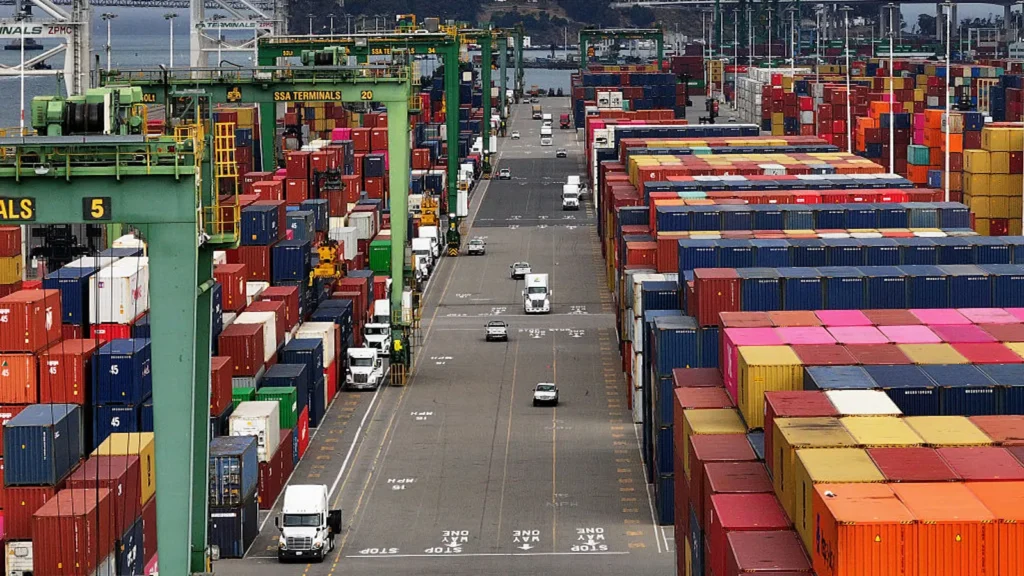
- Freight and Warehouse Bottlenecks: Pavement softening, rail buckling, and tarmac heat stress can severely impede the movement of cargo trucks, freight trains, and cargo planes, while un-airconditioned warehouses become virtually unusable during peak afternoon temperatures.
The Psychological Shift in Global Leadership
The data showing that more than two-thirds of manufacturers globally expect extreme heat-driven productivity interruptions in the coming years signals a vital psychological shift. Industry leaders are moving past the denial phase. They no longer view extreme weather as a series of isolated "black swan" events, but rather as a predictable, recurring operational hazard that must be budgeted for, engineered around, and managed proactively.
Strategic Implications and Playbooks for the Future
The ultimate takeaway from the Global Electronics Association survey is that ad-hoc responses to extreme heat are no longer sufficient. Supply chain resilience requires deep, premeditated strategic planning.
Why Timing is Everything
According to DuBravac, the most critical error manufacturers make is waiting until the summer months arrive to formulate a heat mitigation strategy. By then, leadership is too busy fighting fires—both literally and figuratively—to implement structural changes.
Instead, DuBravac recommends utilizing the autumn months, when ambient temperatures drop and operational pressures ease, as the optimal window for strategic scenario planning.
"If I were advising a manufacturer, I would tell them now is the perfect time to run scenario plans on what happens to your operations if you had a week of 110-degree weather, if you had two weeks of 110-degree weather, if you had three weeks of 110-degree weather," DuBravac advised. "You want to have a clear playbook that you can turn to, rather than having to write the rules while you’re in the midst of it."
Core Elements of a Heat-Resilient Playbook
For electronics manufacturers looking to fortify their supply chains against thermal disruptions, a comprehensive playbook should incorporate several foundational pillars:
- Facility Hardening and Thermal Audits: Conducting rigorous thermal audits of all manufacturing plants, assembly lines, and warehouses to identify cooling capacity limits before a heatwave hits. Upgrading HVAC systems and investing in localized spot-cooling technologies can prevent machinery from triggering automatic thermal shutdowns.
- Grid Independence and Energy Backup: Given that 29% of North American firms fear power reliability issues and curtailments, forward-thinking manufacturers are investing in microgrids, on-site solar installations with battery storage, and robust industrial generators to maintain operations during rolling blackouts.
- Supplier Diversification and Stress Testing: Because supplier delivery delays are the primary vulnerability, companies must map their tier-one and tier-two suppliers geographically. Relying on single-source suppliers located in climate-vulnerable regions is an unacceptable risk; procurement teams must build redundancy and dual-sourcing options into their master agreements.
- Logistics Flexibility: Developing alternative shipping routes and multimodal transportation strategies that bypass heat-vulnerable infrastructure, such as rail corridors prone to thermal buckling or highways notorious for asphalt degradation during extreme heat.
- Labor Health and Safety Protocols: Instituting flexible shift scheduling, shifting heavy labor hours to cooler early-morning or late-evening windows, and providing state-of-the-art cooling PPE to warehouse and logistics personnel to maintain workforce safety without sacrificing total output.
Conclusion
The message from the 2026 Global Electronics Association survey is unmistakable: extreme heat is a clear and present danger to global electronics manufacturing. As the climate continues to warm, the dividing line between thriving enterprises and struggling competitors will be defined by preparation. Companies that heed the warning, embrace rigorous scenario planning during the cooler months, and invest in resilient infrastructure will weather the storm—and the heat—far better than those caught unprepared.