




The Digital Transformation of Steel: Why CMMS is the New Backbone of Metal Manufacturing

By Paweł Bieś, Logistics and Maintenance Marketing Expert at QRmaint
Published: June 11, 2026
In the high-stakes world of global metal manufacturing, the margin between market leadership and obsolescence is razor-thin. Manufacturers today are navigating a volatile "perfect storm": fluctuating commodity prices, soaring energy costs, and an increasingly rigorous regulatory landscape. When these external pressures are compounded by unpredictable market demand, the necessity for extreme operational efficiency becomes a matter of survival rather than a strategic advantage.

At the core of this industrial evolution is the pivot toward Industry 4.0, specifically the implementation of Computerized Maintenance Management Systems (CMMS). By shifting from traditional, reactive repair cycles to data-driven, proactive maintenance, companies are redefining what it means to be a "reliable" manufacturer in the 21st century.
1. The Hidden Path to Profitability: Rethinking Maintenance
For decades, maintenance was viewed as a "necessary evil"—a cost center that drained resources without contributing to the bottom line. In the metal industry, maintenance activities currently account for a staggering 10–15% of total production costs. Yet, despite this massive expenditure, many plants continue to operate with a reactive mindset, waiting for equipment to break before intervening.

The Cost of Inaction
Reactive maintenance is not just expensive; it is dangerous. When machinery fails unexpectedly, the ripple effects are catastrophic. Because metal production involves highly integrated, interconnected stages, a failure in a single rolling mill or furnace can trigger a cascade of downtime across the entire facility.
Global data from twenty of the world’s largest metal manufacturers highlights a troubling trend: while plants schedule an average of 10–12 hours of planned maintenance every one to two months, a full 60% of their total downtime remains unplanned. This "hidden" downtime represents lost revenue, compromised product quality, and significantly delayed Return on Investment (ROI).

From Reactive to Proactive: The Financial Pivot
The shift from reactive to proactive maintenance is the single most effective way to lower the Replacement Asset Value (RAV) maintenance costs. Leading manufacturers have demonstrated that by deploying a centralized CMMS integrated with condition monitoring, they can reduce maintenance costs as a percentage of RAV from 5% to just 2%—a 60% reduction. This transition effectively transforms maintenance from a cost center into a powerful engine for profit.
2. Infrastructure Vulnerabilities: The High-Stakes Environment
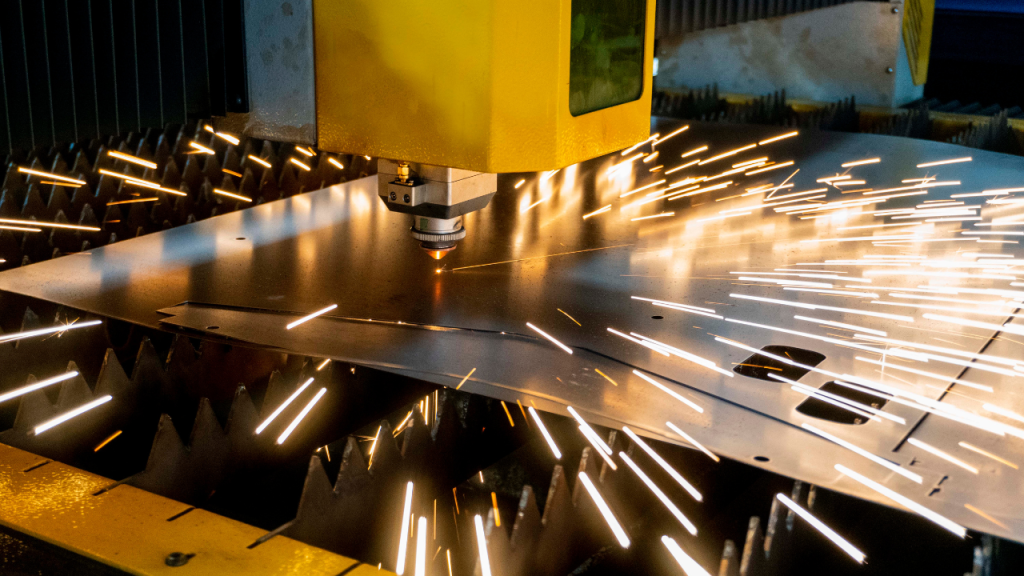
Metal manufacturing is defined by extreme physical conditions. The equipment utilized—blast furnaces, continuous casting machines, rolling mills, and reheating furnaces—operates under intense mechanical stress, volatile chemical environments, and extreme temperatures.
Critical Failure Nodes
The complexity of these assets means that even minor deviations in performance can lead to total system failure. Without a centralized digital repository for maintenance data, these assets become "black boxes." A failure in a reheating furnace fan, for instance, can stall the entire production line.
Digital tracking via CMMS provides the granular visibility needed to monitor these critical nodes. By logging vibration, temperature, and cycle-time data directly into the system, maintenance teams can identify the "early warning signs" of failure long before a mechanical breakdown occurs.

3. Chronology of a Digital Turnaround: The Carl Walther GmbH Case Study
To understand how a CMMS implementation translates into real-world success, we look at the case of Carl Walther GmbH. Faced with the pressure to optimize workflows and secure long-term machine availability, the company recognized that their legacy, fragmented maintenance tracking was no longer sufficient for their production goals.
The Implementation Roadmap
- Phase 1: Auditing the Status Quo: Walther began by assessing the inefficiency of their manual reporting systems. They identified that "information blind spots"—where maintenance tasks were documented on paper or in disparate spreadsheets—were the primary cause of communication gaps between shifts.
- Phase 2: Consolidation of Data: The company migrated all maintenance data into a unified, central CMMS platform. This allowed for a "single source of truth" regarding machine health, preventive schedules, and historical breakdown data.
- Phase 3: Standardizing Preventive Routines: By digitizing their preventive maintenance schedules, Walther ensured that every technician knew exactly when and how to perform maintenance, reducing human error.
- Phase 4: Optimization: The final phase involved analyzing the data collected by the system to fine-tune maintenance intervals, extending the life of critical components and minimizing unnecessary interventions.
Tangible Outcomes
Through the implementation of the System CMMS, Carl Walther GmbH achieved:

- Full Transparency: Maintenance managers gained the ability to see the status of any machine in real-time.
- Increased Availability: By shifting to predictive and preventive routines, the company significantly decreased the frequency of unplanned stoppages.
- Documentation Compliance: Detailed logs and audit trails became automatically available, simplifying regulatory compliance.
- Optimized Labor Allocation: Maintenance teams shifted from "firefighting" to high-value tasks that focus on long-term equipment health.
4. Supporting Data: The ROI of Industry 4.0
The adoption of CMMS is not merely an IT upgrade; it is an economic imperative. When we analyze the industry metrics, the correlation between software adoption and operational efficiency is undeniable.
- Downtime Reduction: Plants utilizing a CMMS report, on average, a 25% reduction in total downtime within the first 18 months of full implementation.
- Inventory Optimization: With better visibility into maintenance schedules, inventory costs for spare parts can be reduced by 15–20% by avoiding over-stocking and emergency shipping fees.
- Regulatory Compliance: In an era of strict environmental and safety regulations, the ability to produce an automated, time-stamped report of all safety inspections is a vital safeguard against legal and financial liability.
5. Official Perspectives on Operational Transformation
Industry experts emphasize that the transition to digital maintenance is a cultural shift as much as a technical one. As Paweł Bieś notes, "The goal is to eliminate the ‘tribal knowledge’ culture, where maintenance procedures exist only in the heads of senior technicians. A CMMS democratizes that knowledge, ensuring that the organization retains its expertise even as the workforce evolves."

The integration of condition monitoring—sensors that feed real-time data into the CMMS—is the next frontier. By moving toward a "Predictive Maintenance" model, manufacturers can effectively "listen" to their machines, detecting internal bearing wear or thermal anomalies before they reach a critical threshold.
6. Implications for the Future of Metal Manufacturing
As we look toward 2030, the competitive landscape of metal manufacturing will be dominated by those who successfully embrace digital transformation. The implications are clear:
- Resilience Against Market Volatility: By lowering the baseline cost of production through efficient maintenance, manufacturers gain the flexibility to adjust pricing during market downturns without sacrificing their margins.
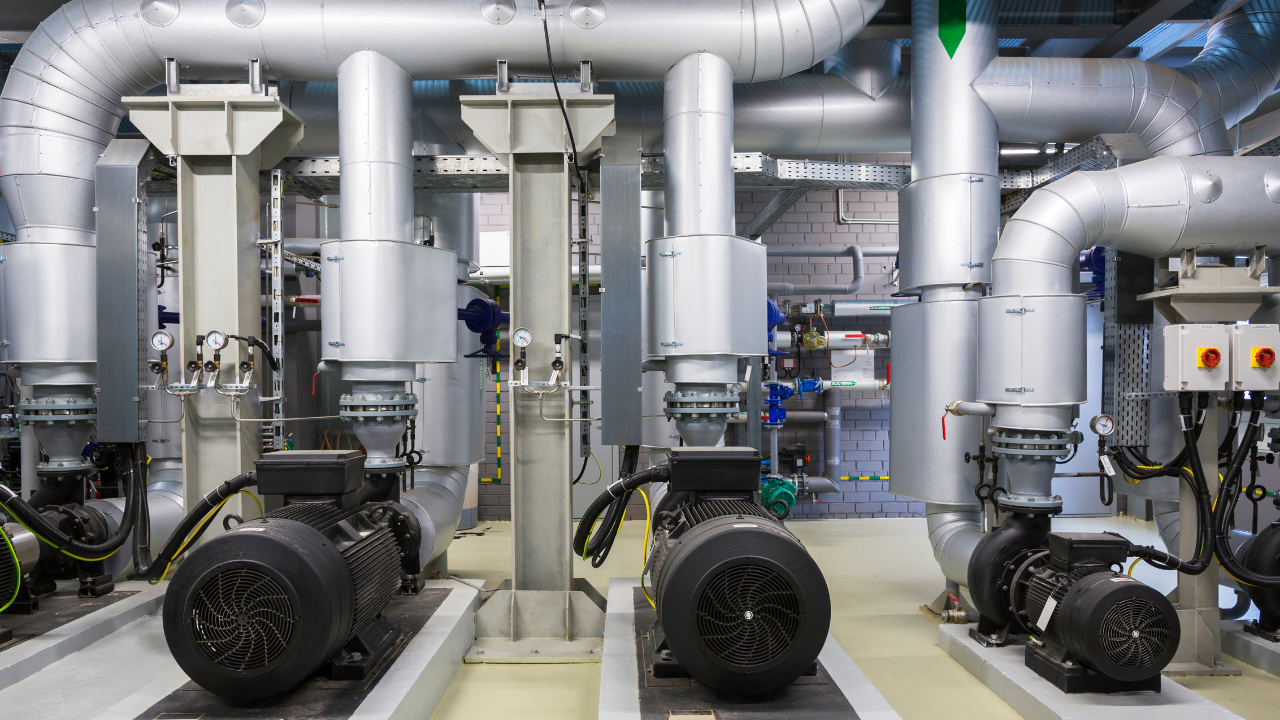
- Sustainability Targets: Efficient equipment consumes less energy. By ensuring that motors, furnaces, and conveyors are running at peak performance, companies can significantly reduce their carbon footprint—a critical metric for modern compliance and corporate social responsibility.
- Future-Proofing the Workforce: A modern, digital-first environment is essential for attracting the next generation of engineers and technicians who expect intuitive, mobile-integrated, and data-driven workplaces.
Conclusion: The Foundation of Modern Industry
The path to operational excellence in the metal industry is no longer about brute-force production; it is about intelligence and visibility. The adoption of proactive maintenance via CMMS systems is the vital step toward safeguarding profitability in an increasingly complex world.
By digitalizing maintenance workflows, plants can eliminate information blind spots, control maintenance spending, and protect high-risk production nodes—from blast furnaces to reheating furnace fans. As demonstrated by the success at Carl Walther GmbH, a dedicated CMMS solution provides the structural integrity and strategic visibility required to minimize unplanned downtime, extend asset longevity, and build a robust, future-proof manufacturing operation.
In the final analysis, the CMMS is more than just a software tool; it is the central nervous system of the modern plant. For manufacturers aiming to stay relevant, the time to digitize is now. The cost of inaction is, quite literally, the price of the future.
About the Author: Paweł Bieś is a B2B marketer with over eight years of experience in the logistics and maintenance sectors. He specializes in business analysis for high-tech distribution and supply chain operations and currently leads marketing efforts for QRmaint, helping industrial firms transition to modern, efficient maintenance management systems.