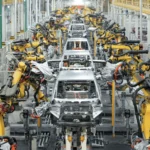
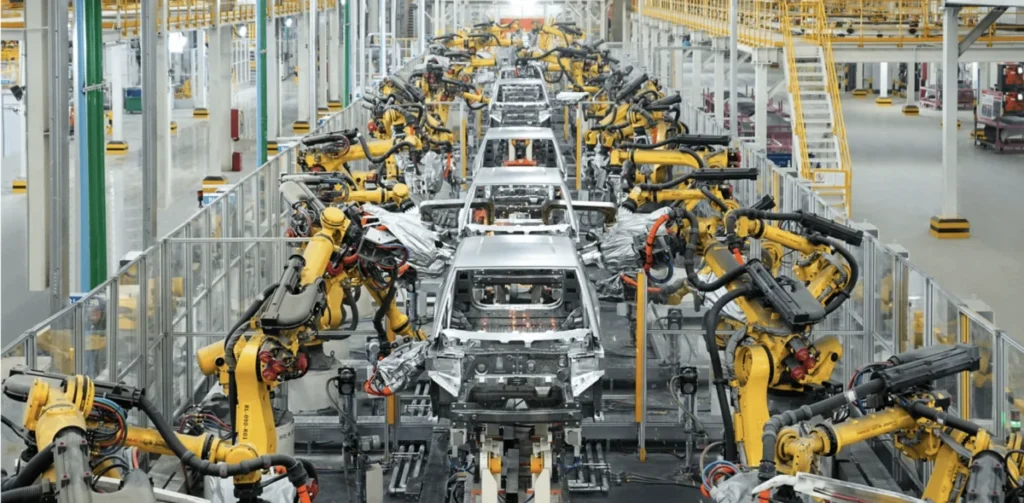



The landscape of industrial manufacturing is undergoing a profound metamorphosis. For decades, the image of robotic automation has been defined by the "fixed-base" paradigm: massive, caged-off industrial arms bolted to factory floors, performing high-speed, repetitive welding or assembly in automotive and electronics plants. However, a new era is dawning. As collaborative robotics (cobots) evolve, the focus is shifting from static workstations to dynamic, mobile solutions capable of navigating complex human environments.
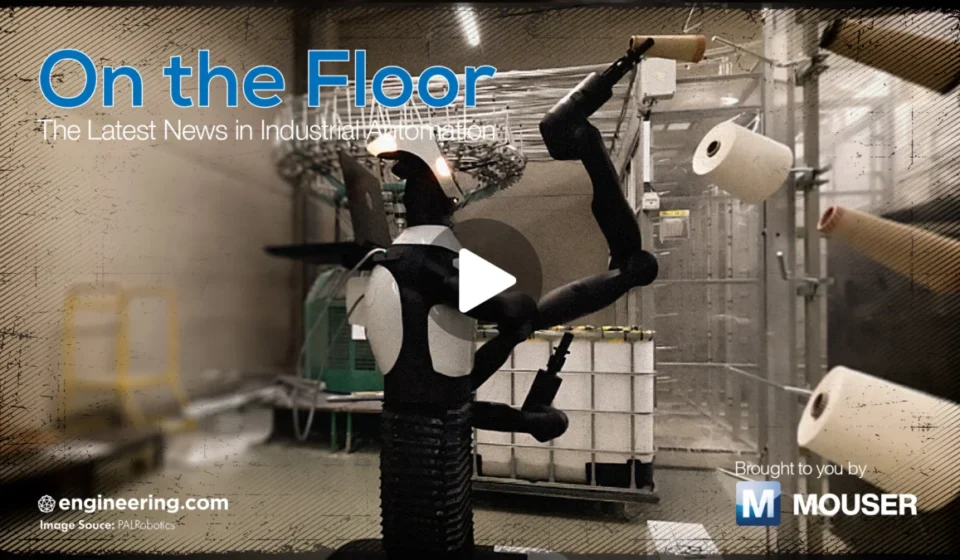
A recent pilot program at the Spanish textile manufacturer CETRIKO, featuring the deployment of PAL Robotics’ TIAGo Pro mobile manipulator, serves as a bellwether for this transition. By integrating advanced perception, mobility, and dexterous manipulation into the textile floor, the industry is addressing long-standing ergonomic and productivity challenges, signaling a shift toward a more flexible, human-centric approach to production.
Main Facts: The TIAGo Pro in Textile Manufacturing
At the heart of this innovation is the TIAGo Pro, an advanced mobile manipulator designed by Barcelona-based PAL Robotics. Unlike traditional industrial robots, which require significant infrastructure changes to operate safely, the TIAGo Pro is engineered for "human-robot interaction" (HRI).
In the CETRIKO pilot program, the robot is tasked with the manual handling of yarn cones. In traditional textile manufacturing, the process of positioning and lifting heavy or delicate yarn cones is a highly repetitive task that often leads to musculoskeletal strain for human operators. By offloading these specific, ergonomically taxing motions to the TIAGo Pro, CETRIKO is not merely automating a process; it is reallocating human capital toward more value-added, supervisory, and creative roles.
The TIAGo Pro excels in this environment due to its combination of mobility—provided by an omnidirectional base—and a high-degree-of-freedom manipulator arm equipped with sophisticated sensors. It can navigate narrow factory aisles, identify yarn cones with high precision, and manipulate them with the gentleness required to avoid damaging the thread, all while operating safely alongside human workers without the need for protective fencing.
Chronology: The Evolution of Textile Automation
To understand the significance of this deployment, one must look at the historical trajectory of textile automation.
The Era of Mechanical Looms (18th – 19th Century)
Textiles were the catalyst for the First Industrial Revolution. Automation during this era was entirely mechanical, focusing on increasing the speed of weaving and spinning through water and steam power.
The Rise of Fixed Automation (20th Century)
The mid-to-late 20th century introduced electronic control systems. Textile mills became highly automated in terms of raw production, but the "logistics" of the floor—moving raw materials to the machines—remained a manual, labor-intensive process.
The Emergence of Mobile Robotics (2015 – Present)
The development of SLAM (Simultaneous Localization and Mapping) technology and advanced LiDAR allowed robots to leave their cages. The launch of platforms like the TIAGo series marked a turning point where robots were no longer just "tools" but "assistants." The current CETRIKO pilot represents the maturation of this technology, moving from lab-controlled environments into the unpredictable, high-traffic reality of a commercial textile floor.
Supporting Data: Why Mobile Robotics Now?
The push toward mobile robotics is fueled by hard data regarding productivity and labor demographics. According to the International Federation of Robotics (IFR), the density of robots in non-automotive sectors is growing at an unprecedented rate.
- Ergonomic Impact: Studies in textile manufacturing indicate that manual material handling accounts for nearly 40% of workplace injuries. By automating the lift-and-place motions of yarn cones, the risk of injury is reduced by an estimated 60-70%.
- Operational Flexibility: Traditional automation requires a "hard-wired" layout. If a textile mill needs to change its production line configuration to accommodate a new fabric type, fixed-base robots require massive capital expenditure to relocate. Mobile manipulators, however, can be reprogrammed and redeployed to different areas of the factory in hours rather than weeks.
- Labor Shortages: The textile industry faces a global aging workforce. As skilled labor becomes more expensive and harder to recruit, mobile robotics provides a solution to maintain output levels without needing to increase headcounts in physically demanding roles.
Official Responses and Industry Insights
"The integration of the TIAGo Pro into the CETRIKO workflow is a validation of the ‘human-in-the-loop’ philosophy," says an industry spokesperson familiar with the pilot program. "We aren’t looking to replace the artisan skill of the textile worker; we are looking to remove the repetitive, physical toll that keeps them from engaging with the more complex aspects of production."
Mouser Electronics, a key supporter of the technological ecosystem that enables these robots, emphasizes the importance of hardware accessibility. "When we look at the components—the sensors, the high-torque actuators, the microcontrollers—that power a robot like the TIAGo Pro, we are seeing a democratization of advanced robotics," notes a Mouser representative. "The ability to integrate these sophisticated technologies into a mobile platform is what allows companies like CETRIKO to move beyond the limitations of legacy systems."
The feedback from the floor operators has been equally telling. Early reports suggest that workers view the robot as a "colleague" rather than a threat. By handling the "heavy lifting" (literally), the TIAGo Pro allows workers to focus on quality control, machine maintenance, and design—tasks that current AI and robotics still struggle to perform with human intuition.
Implications: The Future of the Factory Floor
The deployment of mobile manipulators in textiles is a harbinger of a broader trend: the "Factory of the Future."
The Decentralization of Production
As mobile robots become more affordable and easier to program, textile manufacturing may see a "reshoring" effect. High labor costs, which previously forced companies to offshore production, become less of a barrier when a mobile fleet can handle the repetitive logistics of the floor. This allows for smaller, more agile "micro-factories" located closer to end-consumers.
Collaborative Safety Standards
The CETRIKO pilot is setting a precedent for safety. As these robots work alongside humans, the standards for collision avoidance and collaborative interaction are being refined. This data will be vital for future regulatory frameworks, ensuring that as robots enter the workspace, they do so with a safety-first architecture that prioritizes human well-being.
The Shift from Hardware to Software
The most significant long-term implication is the shift in value. The "hardware" (the robot itself) is becoming a commodity, while the "software" (the navigation algorithms, the object recognition, and the machine learning models that optimize the yarn handling) is where the real value lies. Textile mills of the future will effectively become "software-defined manufacturing facilities."
Ethical Considerations
While the efficiency gains are clear, the industry must navigate the ethical implications of workforce displacement. The CETRIKO pilot emphasizes the importance of augmentation—using technology to assist rather than replace. Companies that succeed in the next decade will be those that invest not only in the robot but in the retraining of their human workforce to oversee these new, high-tech systems.
Conclusion: A New Fabric of Innovation
The collaboration between PAL Robotics and CETRIKO is a microcosm of a larger industrial revolution. By proving that mobile manipulation can thrive in the chaotic, dust-prone, and high-velocity environment of a textile mill, they have unlocked a new category of industrial application.
The transition from static, caged robots to collaborative, mobile units is not just an upgrade in machinery—it is a fundamental rethinking of how we manufacture goods. As we look toward the next decade, the "human-robot team" will likely become the standard, not the exception. The yarn cone is only the beginning. From clothing and upholstery to industrial textiles, the movement of mobile robotics is weaving a new, more efficient, and safer future for the global textile industry.
Through the support of organizations like Mouser Electronics and the vision of engineering teams at PAL Robotics, the factory floor is no longer a place of rigid, isolated machinery. It is becoming a fluid, responsive, and collaborative space—a testament to the power of human ingenuity to solve the most enduring problems of industrial production.