



BYD’s Xi’an Mega-Hub Launches Massive 8,000-Worker Recruitment Drive as Surging Global Demand Overtakes Domestic Market Softness

By Stewart Burnett
Main Facts
In a decisive move underscoring its rapid transformation into a global automotive powerhouse, BYD is aggressively recruiting more than 8,000 new workers across multiple facilities at its Xi’an production base. According to recruitment notices circulated by local agencies and corroborated by financial media outlet Yicai, this massive hiring push targets the company’s single largest manufacturing hub worldwide.
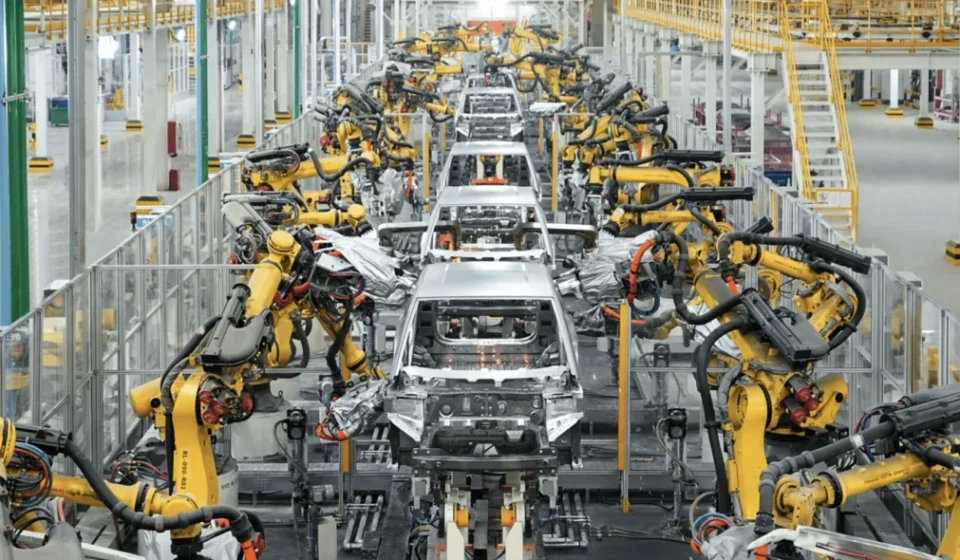
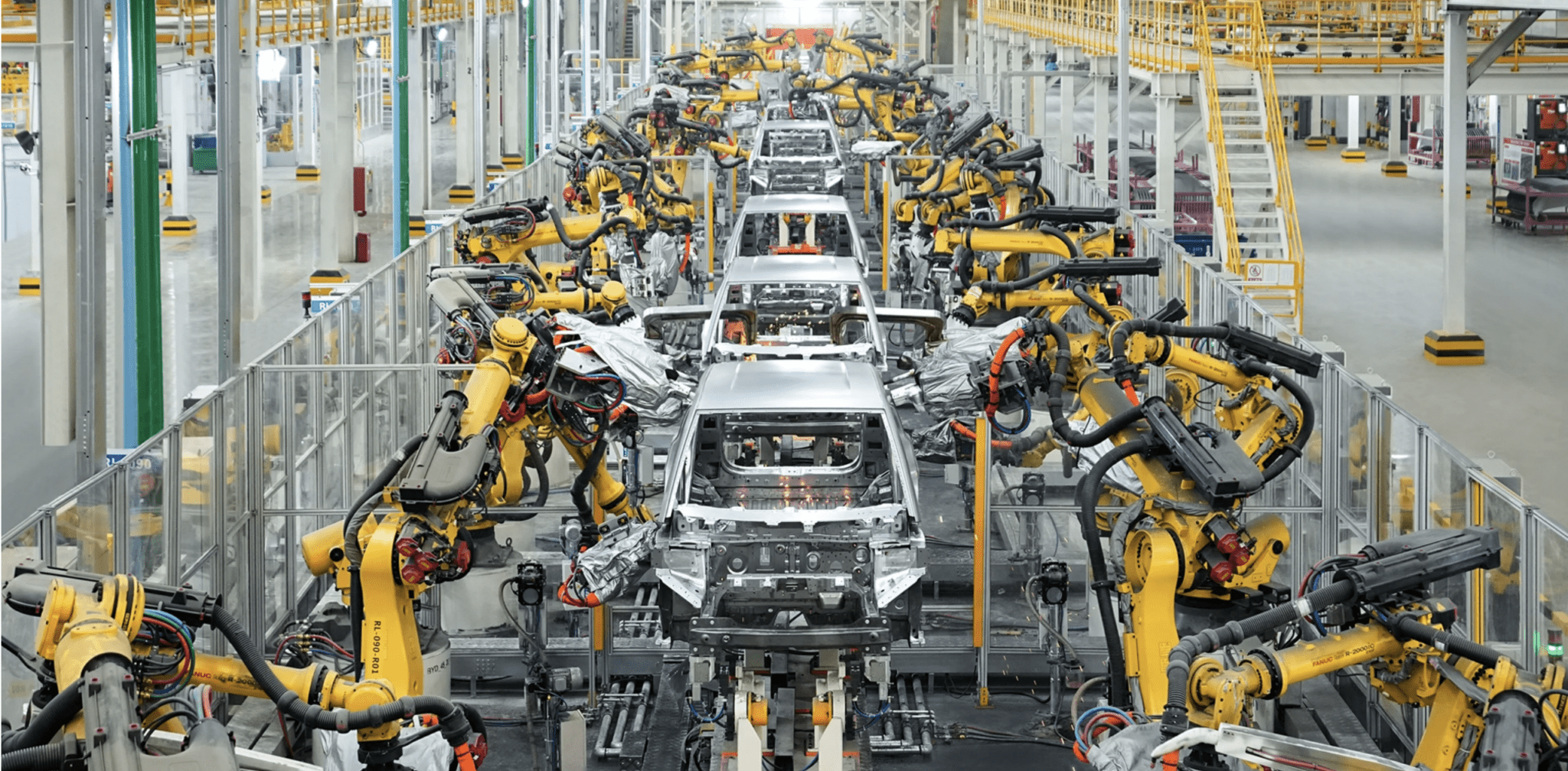
The Xi’an production base is a sprawling industrial titan featuring a combined annual capacity of up to 1.5 million vehicles spread across four distinct factory phases. In 2024 alone, the site rolled out more than one million vehicles. Today, it serves as the beating heart of BYD’s manufacturing empire, churning out high-volume models from the automaker’s popular Dynasty and Ocean lineups, alongside select vehicles from its expanding portfolio of premium brands.
However, this aggressive recruitment campaign is about more than just replacing routine turnover; it is a direct response to a fundamental shift in market dynamics. Export demand is now aggressively absorbing manufacturing capacity that domestic Chinese competition alone can no longer fill. While BYD’s domestic sales face headwinds amid a fiercely competitive local pricing war, international orders are skyrocketing. To meet this voracious global appetite, the Xi’an facility is operating at a breakneck pace, creating acute labor shortages that threaten to bottleneck shipments to international markets if left unaddressed.
Chronology of Production Shifting and Market Recovery
To understand the current labor crunch at Xi’an, one must examine the operational volatility that BYD experienced earlier this year.
- Early 2025 – Operational Bottlenecks: BYD initiated a company-wide transition to its second-generation Blade Battery cells. This technological leap required substantial production line upgrades across its manufacturing ecosystem. At the Xi’an hub, these overhauls caused temporary manufacturing bottlenecks that disrupted several key model lines.
- Mid-2025 – Workforce Reallocation: Facing constrained output and temporary lulls in production lines during the retrofitting process, BYD made the strategic decision to temporarily reduce its Xi’an workforce. Rather than executing mass layoffs, the automaker transferred a significant portion of these experienced factory hands to rapidly expanding operations in Zhengzhou, Hefei, and the Shenzhen-Shanwei cooperation zone.
- Late Summer 2025 – Normalization and Rebound: According to Feng Lei, head of the industrial research institute at market research firm HSMAP, all four Xi’an manufacturing phases have successfully resumed normal production schedules. The upgraded lines are fully operational, capable of producing vehicles featuring the latest battery technology and powertrain architectures at scale.
- Autumn 2025 – The Labor Deficit: While the physical transition and facility upgrades were successful, the rapid recovery—compounded by an unprecedented surge in international export orders—caught management off guard, bringing severe labor shortages back to the forefront. This realization has triggered the current recruitment drive for over 8,000 skilled hands.
Supporting Data and Regional Metrics
Regional economic data paints a vivid picture of the dramatic V-shaped recovery experienced by Shaanxi province, where the Xi’an hub is anchored.
During the first seven months of the year, vehicle production in broader Shaanxi province suffered a steep decline, plunging nearly 50% year-on-year. This slump was a direct byproduct of the factory retooling phases, temporary workforce reallocations, and domestic pricing pressures.
However, the turnaround has been nothing short of staggering:
- August Output: According to data released by China’s National Bureau of Statistics, Shaanxi’s vehicle output for August alone reached 138,900 units.
- Month-on-Month Growth: This August figure represents a staggering 55.4% surge compared to July output.
- Year-on-Year Growth: Crucially, the August numbers also marked a 17.9% increase compared to the same period in the previous year, signaling that the production lines are not only recovering from their mid-year slump but are surpassing historical baselines.
BYD’s corporate-level sales figures for August further illuminate the urgency behind the hiring spree. The company retailed a record-shattering 440,293 New Energy Vehicles (NEVs) globally in August, marking an 18.7% year-on-year increase. A closer look at the geographic breakdown reveals a striking divergence:
- Domestic Sales: Domestic sales contracted by 14.3%, underscoring the brutal nature of China’s internal EV price war.
- Overseas Sales: International sales skyrocketed by an astonishing 134.5% year-on-year, hitting a historic milestone of 189,466 vehicles exported in a single month.
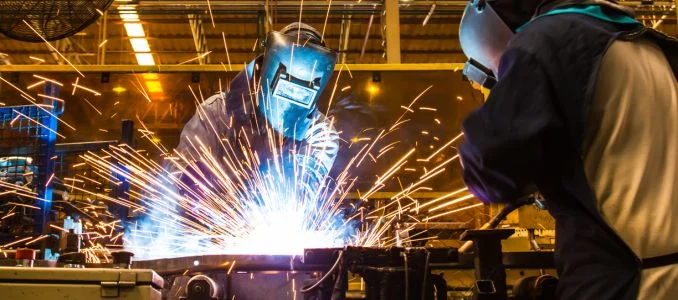
To attract the talent required to sustain this export-driven momentum, BYD is dangling lucrative compensation packages. The current recruitment notices specifically target skilled positions in critical manufacturing domains—namely welding, painting, and final assembly. Eschewing purely general labor, the company is offering signing bonuses of up to CN¥6,000 (approximately US$890) alongside monthly wages reaching CN¥10,000. These figures reflect the high level of technical proficiency required to operate advanced, automated manufacturing cells safely and efficiently.
Official Responses and Industry Insights
Industry analysts and company executives have weighed heavily on what this massive recruitment drive means for the broader automotive landscape.
Feng Lei of HSMAP noted that while production at Xi’an has returned to historical peaks, the nature of that production has fundamentally changed. "Export-facing models currently run continuous, full-capacity production schedules," Feng explained to Yicai. "Meanwhile, those aimed at the domestic market continue facing intense price competition, making a full recovery to peak annual output considerably harder to achieve solely through local sales."
This reliance on domestic manufacturing to fuel global ambitions challenges the narrative that Chinese EV makers are rapidly decoupling their production footprints from the Chinese mainland. Earlier in September, Alfredo Altavilla, BYD’s Special Adviser for Europe, made headlines by emphatically asserting that everything BYD intends to sell in Europe will eventually be made locally within Europe. To achieve this, Altavilla estimated that the company will ultimately require three regional assembly plants and a dedicated European battery factory.
However, industry observers point out that regional plants currently under development or operational in international markets—such as those in Thailand, Brazil, and Hungary—function primarily as tariff-compliant final assembly hubs. These overseas facilities remain heavily reliant on core components, intellectual property, and advanced sub-assemblies largely sourced directly from domestic Chinese mother-ships like Xi’an.
Global Implications and Supply Chain Vulnerabilities
The heavy reliance of BYD’s global expansion on its domestic manufacturing base carries profound strategic implications for the company’s international trajectory.
Despite multi-billion-dollar announcements regarding overseas factories, BYD’s global growth remains tethered much more tightly to its domestic production capacity than regional plant announcements might suggest. Core proprietary components—including the space-saving second-generation Blade Batteries, high-efficiency e-Platform 3.0 powertrains, and sophisticated integrated electronic control units—continue to be engineered and mass-produced within China’s tightly integrated domestic supply chain, regardless of where the final vehicle body is bolted together.
Consequently, this operational structure means that any domestic bottleneck encountered at mega-hubs like Xi’an carries global consequences. Whether a disruption stems from cutting-edge battery technology transitions, unexpected labor shortages, or localized component supply chain snags, it will likely surface downstream as an export delay at international ports well before it registers as a manufacturing crisis in European or Latin American assembly plants.
As Western markets debate tariffs, trade barriers, and protectionist measures against Chinese electric vehicles, BYD’s battle is currently being fought on the factory floor in Xi’an. By injecting 8,000 new skilled workers into its premier production hub, BYD is betting heavily that its domestic industrial might can successfully power its ambitions to become the world’s dominant clean-mobility giant—turning local manufacturing capacity into an unstoppable engine for global conquest.