





Escalating Trade Tensions: U.S. Imposes Sweeping 50% Tariffs on Canadian Imports

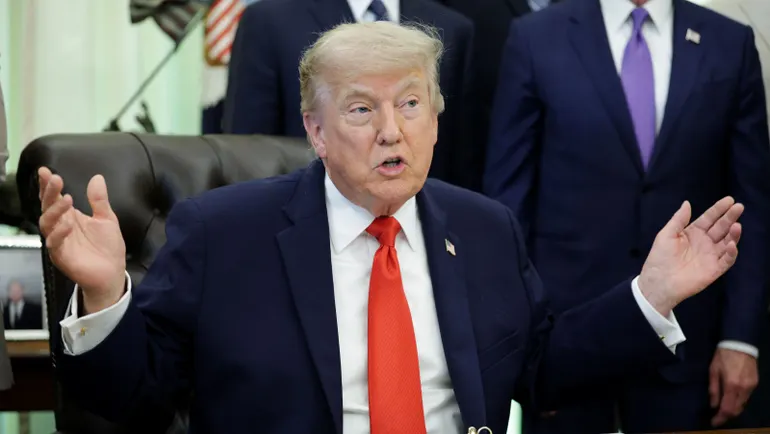
In a significant escalation of North American trade hostilities, President Donald Trump announced on Monday a sweeping series of proclamations that will impose a 50% additional tariff on a vast array of Canadian imports. Set to take effect on August 19, the move marks a departure from the norms established under the United States-Mexico-Canada Agreement (USMCA) and signals a deepening rift between Washington and Ottawa.
The new duties apply to a broad spectrum of goods, ranging from raw materials and chemicals to textiles, consumer electronics, and complex machinery. By leveraging Section 338 of the Tariff Act of 1930, the Trump administration has bypassed standard USMCA dispute resolution channels, arguing that Canada’s trade practices have systematically discriminated against U.S. commercial interests.
Main Facts: The Scope and Scale of the New Levies
The proclamations represent one of the most aggressive uses of trade authority in recent decades. The tariffs cover a wide variety of sectors, including:
- Industrial Goods: Wood products, paper, and heavy machinery.
- Consumer Goods: Textiles, finished electronics, and household appliances.
- Agricultural Materials: Raw inputs that serve as the backbone for U.S. manufacturing supply chains.
Crucially, the White House has carved out specific exemptions to mitigate the impact on essential sectors. Energy products, potash, and items already subject to Section 232 national security tariffs remain untouched. Furthermore, the administration has excluded certain critical minerals and fish products to prevent immediate supply chain shocks in the domestic construction and food processing industries.
The legal justification centers on the allegation that Canada has maintained a "discriminatory, unequal, and unreasonable tariff scheme" that disadvantages U.S. companies. President Trump, in his remarks regarding the automotive sector, explicitly stated that these measures are designed to offset losses incurred by U.S. businesses and workers due to Canadian protectionism.
Chronology: From Cooperation to Confrontation
The path to these 50% tariffs has been paved by a year of deteriorating diplomatic and commercial relations between the two largest trading partners in North America.
- Early 2026: The administration began signaling dissatisfaction with the USMCA, alleging that Canada was violating the spirit of the agreement by implementing provincial-level restrictions on U.S. goods.
- February 2026: In a broader shift toward protectionist trade policy following Supreme Court setbacks regarding the International Emergency Economic Powers Act, the administration imposed a 10% surcharge on global imports under Section 122 of the Trade Act of 1974.
- July 2026: The administration expanded its focus on regional partners, placing a 25% tariff on a variety of imports from Brazil. This set a precedent for the subsequent actions against Canada.
- Late July 2026: The administration released a series of fact sheets detailing specific Canadian policies—namely regarding alcohol distribution, dairy quotas, and automotive investment—that it claimed justified retaliatory duties under Section 338.
- August 19, 2026: The effective date for the 50% tariff imposition, marking the latest chapter in what has effectively become a year-long trade war.
Supporting Data: The Alleged "Discriminatory" Practices
The White House justification for these tariffs rests on three primary pillars of contention: automotive trade, alcoholic beverage distribution, and dairy market access.
The Automotive Sector
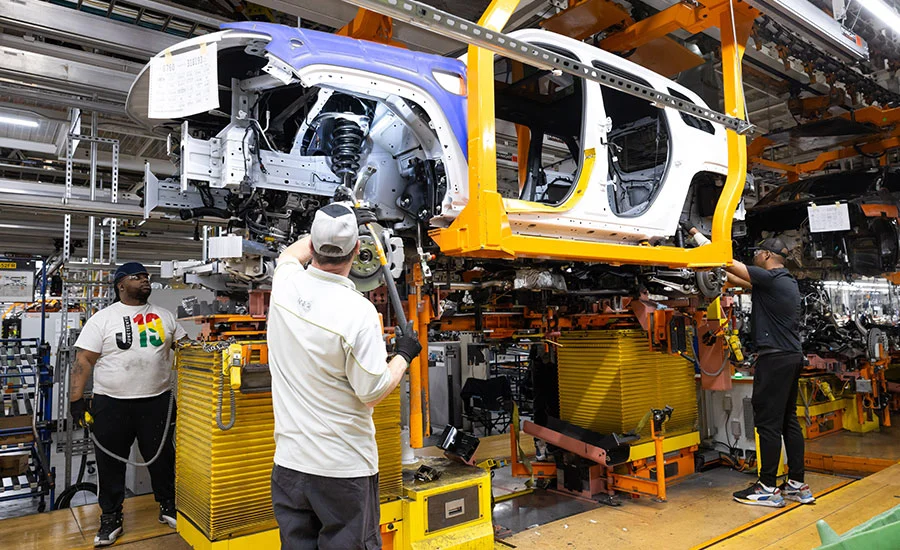
The administration has accused Canada of forcing U.S. manufacturers to prioritize Canadian production over domestic U.S. facilities. According to the White House, Canada utilizes a combination of quotas and a 25% tariff on U.S. motor vehicles that do not qualify for USMCA preferential treatment. This, the administration argues, creates an artificial incentive for companies to shift capital investments north of the border, hollowed out by what they term "discriminatory practices."
The Alcohol and Dairy Disputes
Beyond manufacturing, the administration has highlighted protectionist barriers in consumer goods. For instance, several Canadian provinces have been accused of obstructing the distribution and retailing of U.S. alcoholic beverages—barriers not faced by other foreign producers. Similarly, the administration points to Canadian tariff-rate quotas on U.S. cheese, which are reportedly more restrictive than those applied to European Union products, despite the existence of preferential trade agreements.
Official Responses and Administrative Strategy
The Trump administration’s move is part of a broader, aggressive trade strategy. Following the Supreme Court’s decision to curtail the President’s use of the International Emergency Economic Powers Act for broad-based tariffs, the administration has pivoted toward more surgical, statute-specific trade tools.
By utilizing Sections 301, 304, and 338 of the Tariff Act and the Trade Act of 1974, the administration is attempting to build a legal firewall around its protectionist policies. White House officials argue that these actions are necessary to force a renegotiation of terms that they believe have been eroded by foreign "cheating."
To date, the Canadian government has not issued a formal counter-proclamation, though officials in Ottawa have signaled that they are reviewing the legal standing of the U.S. actions. Canadian trade representatives have consistently argued that their policies are compliant with international agreements and that the U.S. is unilaterally abandoning the framework of the USMCA.
Implications: Economic, Geopolitical, and Supply Chain
The imposition of a 50% tariff on such a wide range of goods will have profound, long-term implications for the North American economy.
Supply Chain Disruption
For U.S. manufacturers, the announcement is a significant blow to "just-in-time" supply chains. Many U.S. industries rely on integrated cross-border supply chains where components cross the border multiple times before a final product is assembled. A 50% duty will force companies to either absorb the cost—leading to narrower margins—or pass the cost to consumers, likely driving inflation in the goods sector.
The Future of USMCA
The most significant casualty of this decision may be the USMCA itself. While the agreement was intended to provide a stable, rules-based framework for North American trade, the administration’s decision to impose tariffs regardless of "originating status" under the deal suggests that the agreement’s protections are effectively suspended. This move creates significant uncertainty for investors, who now face the risk that any trade agreement can be bypassed by unilateral executive action.
Geopolitical Repercussions
Canada is the United States’ largest trading partner. A trade war of this magnitude risks alienating a key ally, potentially leading to further diplomatic friction in areas such as defense, energy security, and intelligence sharing. While the U.S. has exempted energy from the tariffs—likely to prevent domestic fuel price spikes—the broader economic tension is expected to sour the bilateral relationship for the foreseeable future.
Long-term Economic Outlook
Economists remain divided on the long-term impact. Proponents of the administration’s strategy argue that these tariffs will provide the necessary leverage to correct systemic trade imbalances and "reshore" manufacturing jobs to the United States. Conversely, critics and trade analysts warn that the move will invite retaliatory measures from Ottawa, potentially leading to a cycle of escalation that damages the North American middle class, raises prices for American households, and ultimately slows economic growth by disrupting the highly efficient cross-border trade flow that has defined the region for decades.
As August 19 approaches, businesses across the continent are scrambling to adjust their logistics, audit their supply chains, and brace for a period of extreme volatility in one of the world’s most important trade corridors. The administration has made its stance clear: it is willing to risk the stability of existing trade agreements to achieve what it defines as a fairer, more balanced, and domestically-focused commercial landscape.