
The Future of Embodied Intelligence: Exploring Egocentric Robot Learning at RoboBusiness 2026

The landscape of robotics is undergoing a fundamental shift. For decades, programming a robot meant writing rigid code to dictate specific movements or responding to a narrow set of sensory inputs. Today, that paradigm is being eclipsed by "egocentric robot learning"—a transformative approach where machines learn by observing the world from a human perspective. By processing first-person demonstrations captured via wearable technology and advanced teleoperation, robots are beginning to acquire complex motor skills and decision-making capabilities that mirror the nuance of human experience.
As the industry prepares for RoboBusiness 2026, taking place October 20-21 in Santa Clara, California, this topic has emerged as a focal point for engineers and business leaders alike. Ted Larson, CEO and co-founder of OLogic, is set to headline a crucial session titled "Egocentric Robot Learning: Teaching Robots Through Human Experience," where he will dissect how this evolution is bridging the gap between laboratory research and high-scale commercial deployment.
The Paradigm Shift: From Explicit Coding to Human Observation
Egocentric learning represents a departure from traditional "programming" toward "teaching." In a traditional manufacturing environment, a robot arm requires precise coordinate inputs to pick up a part. Under the new egocentric model, a human operator performs the task while wearing specialized cameras or using a teleoperation interface. The AI model records this "first-person" stream, mapping the visual data directly to the motor commands required to complete the task.
This mimics the way humans learn—by watching, mimicking, and refining. Companies like NVIDIA, Google DeepMind, and Meta have been pouring resources into this field, developing foundation models that allow robots to generalize these observations to new environments. The result is a system that is not only more adaptable but significantly more scalable, as it reduces the need for expensive, expert-level software engineering for every minor task variation.
Chronology: The Evolution of Embodied AI
The journey toward egocentric learning has been a decade-long acceleration. To understand why this is peaking in 2026, we must look at the historical trajectory of robotics:
- 2015–2018: The Era of Pre-programmed Automation. Robots were primarily used in highly structured environments, such as automotive assembly lines, where every movement was calculated and fixed.
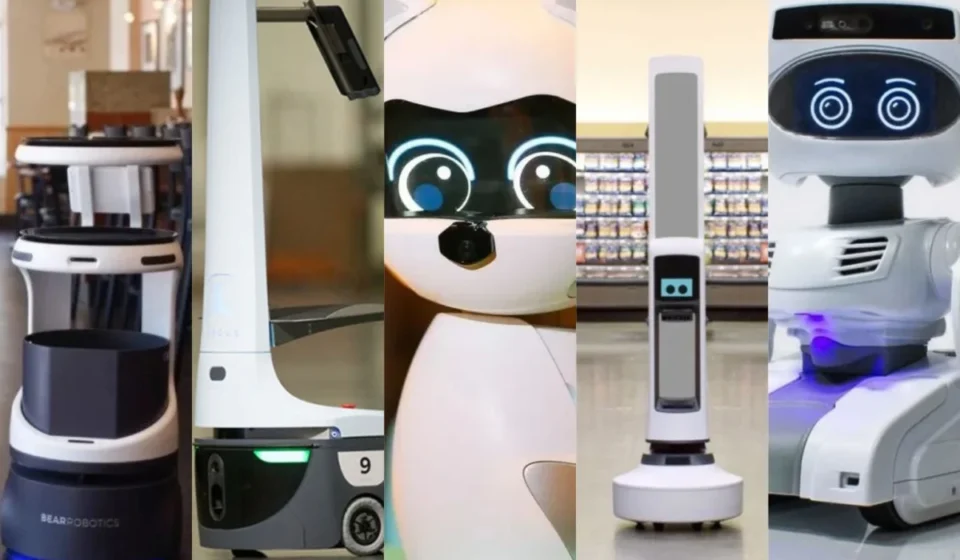
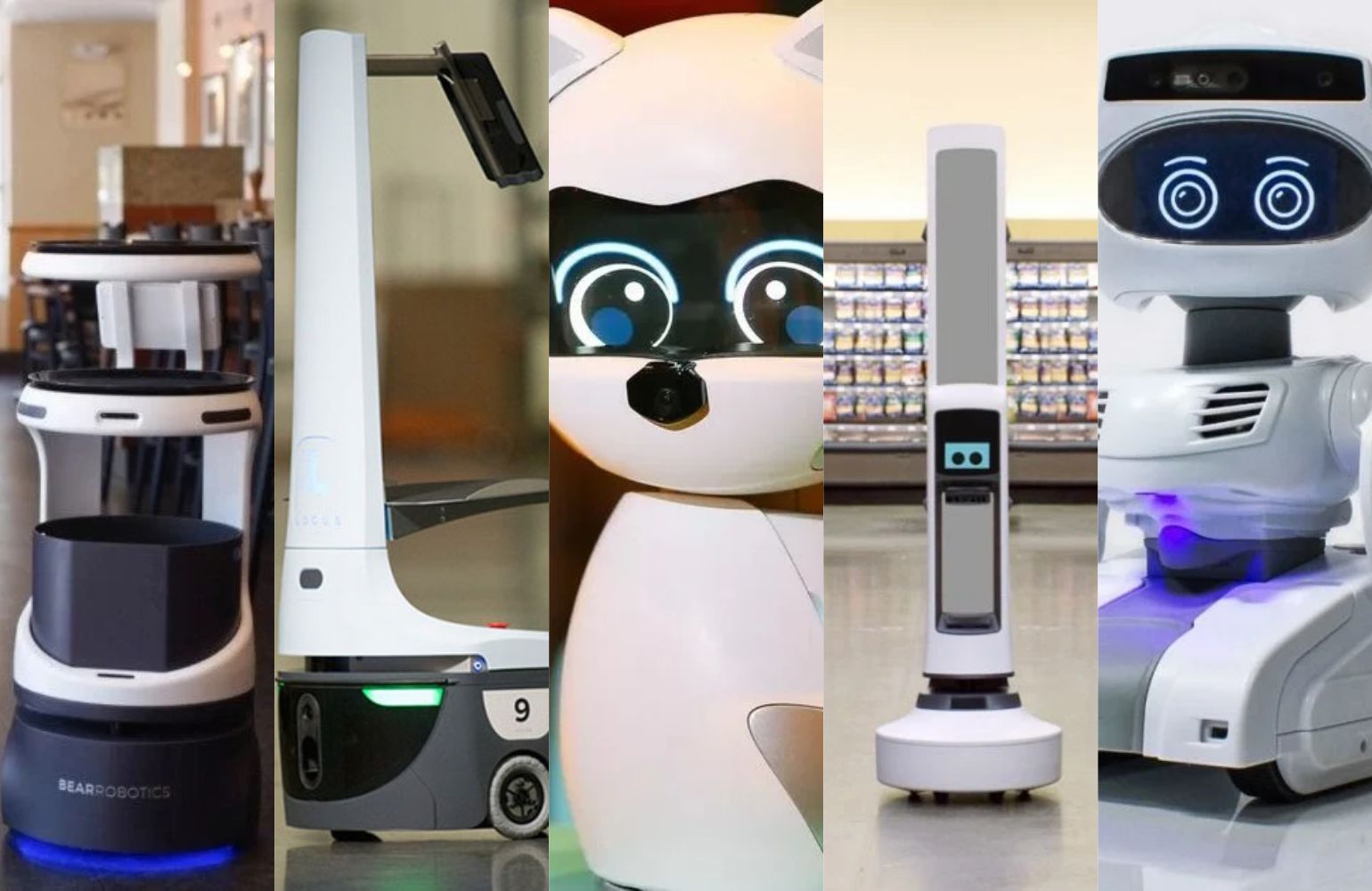
- 2019–2022: The Rise of Autonomy. Advances in SLAM (Simultaneous Localization and Mapping) and sensor fusion allowed robots like those from Locus Robotics and Simbe Robotics to navigate dynamic environments. However, these robots still operated within narrow, rules-based constraints.
- 2023–2025: The Foundation Model Explosion. The integration of Large Language Models (LLMs) and Vision-Language Models (VLMs) began to provide robots with "common sense." During this period, the industry began shifting focus from purely navigational autonomy to manipulative autonomy.
- 2026 and Beyond: The Egocentric Era. As we reach the current day, the industry is shifting toward "embodied intelligence." Robots are no longer just navigating; they are learning to understand the intent behind a human’s actions, paving the way for a new generation of service, medical, and logistics robots that can handle the unpredictability of the real world.
Supporting Data: Why Egocentric Learning Matters
The drive toward this technology is not merely academic; it is an economic necessity. The global industrial sector is currently grappling with three primary challenges:
- Labor Shortages: Demographic shifts have created a massive gap in skilled labor for manual, repetitive, and dangerous tasks.
- Customization Demands: Consumers and B2B clients alike are demanding more personalized products, requiring manufacturing lines that can switch tasks in minutes rather than days.
- Complexity Scaling: The cost of hiring specialized roboticists to rewrite code every time a workflow changes is becoming unsustainable.
Industry data suggests that adopting imitation learning and egocentric data collection can reduce the deployment time of a new robotic workflow by up to 70%. By lowering the "cost of entry" for robot training, organizations can deploy automation in environments previously considered too messy or unpredictable for traditional robots, such as high-mix warehouses, small-batch manufacturing, and even bedside patient care.
Professional Insights: A Conversation with Ted Larson
Ted Larson, who has spent over 25 years at the intersection of embedded systems and robotics, is uniquely positioned to interpret these trends. As the CEO of OLogic, his team has been instrumental in the development of groundbreaking hardware, including AMR (Autonomous Mobile Robot) platforms and social robots like Zoetic’s KiKi.
Larson’s upcoming session at RoboBusiness 2026 is designed to be a "reality check" for the industry. While the buzz around embodied AI is immense, the technical challenges remain daunting. Larson will address:
- Multimodal Data Synchronization: How to align high-speed camera data with motor torque feedback.
- Edge Processing vs. Cloud: The necessity of performing high-level reasoning locally to avoid latency issues.
- Safety and Reliability: Ensuring that a robot learning from a human doesn’t inherit human errors or dangerous habits.
"The goal is not to replace human decision-making, but to augment it," Larson notes. "We are moving from a world where robots are tools we operate to a world where robots are partners we train."
Implications for Industry and Society
The ripple effects of widespread egocentric robot learning will be felt across every major sector:
Manufacturing
In the factory of the future, a floor manager could "show" a robot how to sort a new bin of parts simply by performing the task once. This democratization of automation empowers non-engineers to manage and scale robotic fleets, drastically increasing the agility of small-to-medium enterprises (SMEs).
Logistics and Warehousing
As e-commerce continues to evolve, the need for robots that can handle diverse, non-standardized packaging is critical. Egocentric learning allows robots to adapt to new item shapes on the fly, learning to grasp and maneuver objects that weren’t part of their original training set.
Healthcare and Service Robotics
Perhaps the most profound application is in service robotics. A robot in a care facility must navigate human social cues, such as knowing when to approach a patient or how to gently handle fragile medical supplies. By learning from human caregivers, these robots can provide a level of empathy and precision that rigid, code-heavy systems simply cannot match.

Connecting at RoboBusiness 2026
As the industry gathers in Santa Clara this October, the focus will be on these real-world applications. RoboBusiness has long served as the premier forum for leaders to move past the hype and discuss the hard engineering problems that define successful commercialization.
Attendees at this year’s conference will have access to:
- Technical Deep Dives: Exploring the architecture of neural networks that support egocentric learning.
- Networking Receptions: Connecting with the startups and established firms that are currently field-testing these technologies.
- Keynote Sessions: Featuring voices from across the robotics ecosystem, focusing on the intersection of AI, hardware design, and business strategy.
For those looking to gain a competitive edge, the message is clear: the robots of the future are not being programmed; they are being taught. Whether you are an engineer looking to implement these models or a business leader looking to understand the future of your workforce, the insights provided at RoboBusiness 2026 will be essential.
How to Attend
Registration for RoboBusiness 2026 is currently open. As the conference celebrates its 20th year, it promises to be the largest gathering of robotics professionals in its history. Whether you are interested in the technical nuances of embodied AI or the broader strategic implications of the robot revolution, this event offers an unparalleled opportunity to engage with the architects of the future.
Event Details:
- Date: October 20-21, 2026
- Location: Santa Clara, California
- Focus: Commercial robotics, embodied AI, and scalable automation.
For full conference passes, group discounts, or information on sponsorship opportunities, visit the official RoboBusiness website. Don’t miss the chance to be at the center of the next great leap in robotics technology.