


Next-Generation SCBA Technology: MSA Safety Introduces the G1 City Edition to Elevate Firefighter Safety and Operational Efficiency

By Danielle Naidu | Enriched & Expanded Editorial Coverage
Main Facts
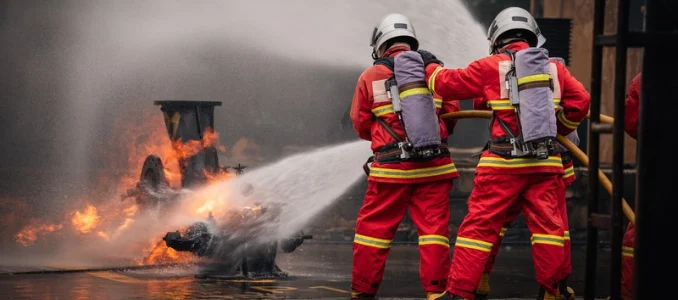
In the high-stakes, hazardous environment of modern structural and industrial firefighting, every ounce of equipment weight and every second spent locating a disoriented or downed crew member can mean the difference between life and death. Addressing these critical challenges head-on, safety equipment manufacturer MSA Safety has officially unveiled its newest self-contained breathing apparatus (SCBA): the G1 City Edition.
Engineered to meet the stringent demands of contemporary emergency response, the G1 City Edition introduces breakthrough location-tracking capabilities by integrating advanced beacon technology directly into its power module. When a firefighter activates their alarm—or when an emergency distress signal is automatically triggered—fellow crew members can use a handheld connected device to pinpoint the exact location of the wearer. This real-time directional guidance drastically reduces search-and-rescue times in zero-visibility, smoke-filled environments.
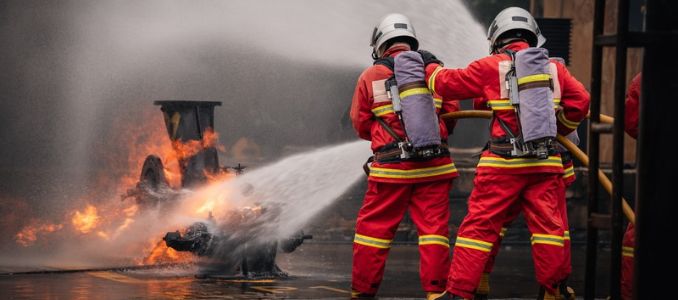
Beyond its life-saving telemetry integrations, the G1 City Edition has undergone a comprehensive ergonomic redesign. In its standard configuration, the apparatus weighs up to half a pound less than its predecessor, the widely utilized legacy G1 model. By pairing a newly engineered cylinder-retention system with a low-profile, swiveling lumbar pad, MSA Safety has significantly improved wearer balance, reduced physical fatigue, and enhanced overall comfort during prolonged, grueling operations.
Furthermore, the G1 City Edition is fully compliant with the newly updated 2025 edition of NFPA 1970—the consolidated performance standard governing both structural and proximity firefighting equipment. By combining reduced weight, enhanced tactile controls, and cutting-edge location telemetry, the G1 City Edition represents a generational leap forward in personal protective equipment (PPE) for municipal fire departments and industrial hazardous response teams alike.
Chronology
To understand the significance of the G1 City Edition, it is essential to examine the trajectory of SCBA development and the evolutionary steps that led MSA Safety to this technological milestone.

The Evolution of Respiratory Protection in the Fire Service
For decades, self-contained breathing apparatuses were viewed strictly as mechanical lifelines: heavy, reliable tanks designed to deliver breathable air in toxic atmospheres. However, as building materials have shifted toward lightweight, synthetic composites that burn hotter and faster, interior structural fires have become profoundly more unpredictable and dangerous.
Recognizing that traditional SCBAs lacked digital integration, safety manufacturers spent the late 2010s introducing telemetry systems capable of transmitting basic air-pressure data via radio frequencies. The launch of MSA’s original G1 SCBA established a high benchmark for modularity and integrated HUD (Heads-Up Display) technology. Yet, the industry continued to face a persistent, harrowing challenge: locating lost, trapped, or incapacitated firefighters when standard radio communication failed or structural interference blocked signals.
The Integration of LUNAR Technology
The technological foundation for the G1 City Edition was laid with the introduction of MSA’s LUNAR connected device—a standalone, cloud-connected handheld search and rescue tool utilizing direct-to-device ranging and beacon technology. Initially deployed as an add-on accessory, firefighters quickly realized the immense value of having a dedicated tracking mechanism that operated independently of local infrastructure.

Realizing that modular add-ons could be streamlined, MSA’s engineering teams embarked on a multi-year development cycle to embed LUNAR’s beacon capabilities directly into the core architecture of their flagship SCBA line. This culminated in the design of the G1 City Edition, where the beacon technology is natively integrated into the unit’s power module, eliminating the need for cumbersome external attachments while ensuring the system is active on every deployment.
Meeting the 2025 NFPA 1970 Benchmark
Concurrently, the National Fire Protection Association (NFPA) was revising its safety standards. In consolidating previous standards into the unified NFPA 1970 document—which covers structural and proximity firefighting protective ensembles and equipment—safety thresholds for thermal endurance, structural integrity, and electronic reliability became significantly more rigorous. MSA aligned the final phases of the G1 City Edition’s engineering validation with these emerging 2025 standards, ensuring that adopting departments would immediately achieve compliance with the most up-to-date national benchmarks.
Supporting Data
The technological advancements embedded within the G1 City Edition are best understood through the specific performance metrics and design specifications released by MSA Safety.

Weight Reduction and Ergonomic Metrics
- Weight Savings: In its standard configuration, the G1 City Edition achieves up to a 0.5-pound weight reduction compared to the previous legacy G1 model. While half a pound may appear modest on paper, cumulative gear weight directly correlates with physical exhaustion, elevated heart rates, and rapid air consumption on the fireground.
- Load Distribution: The introduction of a low-profile, swiveling lumbar pad shifts the center of gravity closer to the firefighter’s natural spine alignment, mitigating lower-back strain during crawling, climbing, and lifting operations.
- Cylinder Retention: The redesigned cylinder-retention mechanism allows for faster, more secure bottle changes, reducing staging time between operational rotations.
Connectivity and Telemetry Specifications
- Beacon Integration: Built directly into the SCBA power module, the LUNAR-derived beacon technology transmits directional signals receivable by compatible handheld devices.
- Air-Pressure Monitoring: When paired with a handheld unit, the system displays real-time cylinder pressure, allowing incident commanders and search teams to monitor a distressed firefighter’s remaining breathable air supply remotely.
- Cloud and Radio Syncing: Data gathered by the SCBA can be mirrored in real-time within MSA’s FireGrid Monitor application, provided local cellular data or radio network connectivity is accessible on the scene.
Tactile and Operational Modifications
To ensure seamless operation under extreme conditions—where extreme heat, heavy smoke, and water runoff compromise dexterity—MSA modified several physical touchpoints:
- Regulator and Valve Controls: Thicker, more pronounced ridges and surfaces on the regulator and cylinder-valve controls to facilitate effortless manipulation while wearing heavy structural firefighting gloves.
- Shoulder Harness: Thinner shoulder pads designed to integrate smoothly with modern turnout gear and prevent the straps from slipping or riding up during overhead work.
- Adjustment Webbing: Longer adjustment straps to accommodate a wider percentile range of body types, ensuring a snug, customized fit across diverse department rosters.
- Control Module Interface: An optimized display screen providing clear, glanceable readouts of remaining cylinder pressure and calculated operational time remaining based on current exertion rates.
Official Responses
Industry reception and manufacturer commentary regarding the release of the G1 City Edition highlight a shared industry commitment to leveraging digital connectivity to protect emergency responders.
In official product briefs, MSA Safety representatives emphasized that the primary design philosophy behind the G1 City Edition was the elimination of friction between human safety and technological complexity. "Firefighters already operate in an environment characterized by sensory overload, extreme physical stress, and unpredictable hazards," noted product development leads at MSA. "Our objective was not merely to add digital features, but to weave life-saving location technology seamlessly into the essential gear they already rely on every single shift."

Safety analysts and municipal equipment purchasers have similarly praised the integration of the 2025 NFPA 1970 standards. As fire departments nationwide face tightening municipal budgets alongside rising expectations for accountability and safety compliance, the ability to procure an SCBA that inherently satisfies upcoming regulatory benchmarks while offering advanced telemetry out of the box provides significant long-term value.
Furthermore, early field evaluations by municipal test crews highlighted the practical benefits of the ergonomic refinements. Captains and training officers participating in pre-launch trials reported that the reduction in weight and the improved flexibility of the swiveling lumbar pad noticeably decreased fatigue during multi-hour training exercises involving search-and-rescue drills in simulated zero-visibility structures.
Implications
The introduction of the G1 City Edition carries profound implications for the future of fire service operations, departmental budgeting, technological integration, and overall firefighter survivability.

Transforming Rapid Intervention Operations (RIT)
For decades, Rapid Intervention Teams (RIT) tasked with rescuing downed firefighters faced daunting challenges in locating colleagues within collapsed or smoke-obscured structures. Traditional methods relied heavily on audible PASS (Personal Alert Safety System) alarms, which can echo, distort, or become muffled beneath heavy debris, making directional tracking frustratingly difficult.
By embedding active beacon technology directly into the SCBA power module, MSA Safety is helping shift the paradigm toward direct, data-driven vector navigation. When every second counts, a rescuer knowing not just that a firefighter is in distress, but holding a device that actively points in the direction of the signal, can drastically shorten search times and increase the probability of successful resuscitation.
The Role of Cloud Connectivity on the Fireground
The integration with cloud platforms like FireGrid Monitor underscores a broader industry trend toward the Internet of Things (IoT) in public safety. Real-time monitoring of air pressure, thermal stress indicators, and alarm statuses allows command staff outside the immediate hazard zone to maintain absolute situational awareness. Incident commanders can track resource depletion across multiple entry teams simultaneously, enabling proactive resource rotation and preventing catastrophic air-out emergencies before they occur.

Ergonomics and Long-Term Occupational Health
Beyond acute thermal and trauma hazards, the fire service has faced an increasing reckoning regarding the chronic physical toll of wearing heavy protective equipment. Spinal compression, chronic lower back pain, and musculoskeletal disorders are prevalent among career firefighters due to the awkward load distribution of legacy SCBAs. By shaving off half a pound of dead weight and introducing a flexible lumbar pad that moves with the human body, designs like the G1 City Edition contribute directly to long-term occupational wellness and career longevity.
Regulatory Pressures and Fleet Upgrades
With the codification of the 2025 NFPA 1970 standard, fire departments operating legacy equipment face eventual compliance mandates. The G1 City Edition offers a compelling path forward for departments looking to upgrade their respiratory protection fleets. By investing in modular, future-proofed units that bridge the gap between traditional mechanical reliability and modern digital telemetry, agencies are better positioned to protect their personnel against the evolving hazards of 21st-century emergency response.