




OSHA Cites FleetPride Following Fatal Corpus Christi Incident: A Deep Dive into Industrial Safety Failures

Introduction: A Preventable Tragedy in South Texas
The industrial landscape of South Texas, characterized by its sprawling logistics hubs and heavy-duty transport infrastructure, was shaken by a devastating workplace fatality that has now drawn the sharp focus of federal regulators. The U.S. Department of Labor’s Occupational Safety and Health Administration (OSHA) has concluded a comprehensive investigation into FleetPride Inc., a prominent national distributor of truck and trailer parts. The probe, initiated following the death of an employee at the company’s Corpus Christi facility, has resulted in a staggering $264,380 in proposed penalties.
The incident, which involved the tragic asphyxiation of a worker tasked with inspecting a tanker trailer, serves as a stark reminder of the lethal risks inherent in confined space entry and the critical necessity of stringent safety protocols. As OSHA continues its crackdown on preventable workplace deaths, the FleetPride case underscores a broader narrative: that corporate efficiency and logistical throughput must never take precedence over the fundamental right of a worker to return home safely at the end of their shift.
The Chronology of the Incident and Investigation
While the details of the incident remain harrowing, the procedural timeline offers insight into how OSHA maneuvers through industrial fatalities.
The Initial Incident
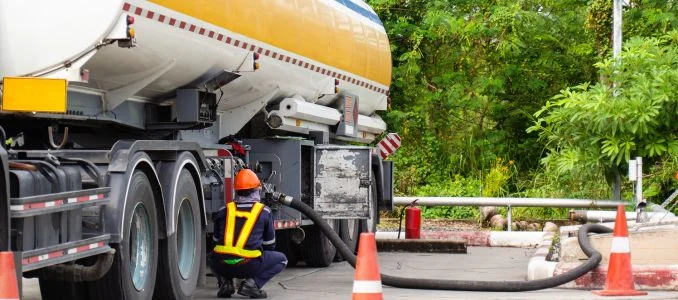
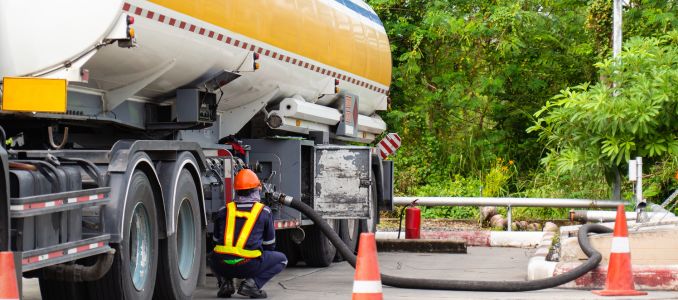
The tragedy occurred during routine operations at the FleetPride facility in Corpus Christi. An employee, acting in the course of their duties, entered a tanker trailer for the purpose of inspection. In industrial settings, tanker trailers often present an "IDLH" (Immediately Dangerous to Life or Health) environment, particularly if they previously contained chemicals, petroleum products, or substances that deplete oxygen levels. Without proper atmospheric testing, ventilation, or the presence of a standby attendant, the trailer became a death trap. The employee suffered from asphyxiation, a silent killer in confined spaces where oxygen levels can plummet in seconds.
The OSHA Inspection
Following the notification of the fatality, OSHA’s Corpus Christi Area Office mobilized an emergency response team. The inspection was not merely a superficial review of the incident scene but a deep-dive audit of FleetPride’s safety culture. Over several months, investigators scrutinized the company’s written safety programs, training records, maintenance logs, and actual operational practices on the shop floor.
The investigation moved beyond the immediate cause of death to evaluate whether the company had established a "safety-first" framework. By the time the investigation concluded, regulators had documented 19 distinct violations, painting a picture of systemic negligence regarding safety training and hazard mitigation.

Supporting Data: The Breakdown of Violations
The proposed penalties—totaling $264,380—are categorized across 16 serious violations and three other-than-serious violations. The sheer volume of these citations suggests that the failure was not a one-time oversight but a pattern of non-compliance.
The Confined Space Crisis
The most critical citation involved the failure to implement a required "Confined Space Program." Under OSHA standard 29 CFR 1910.146, employers are mandated to evaluate workplaces to determine if spaces are "permit-required." If a space meets the criteria, the employer must implement a permit system, provide specialized training, ensure atmospheric testing, and maintain constant communication with an outside attendant.
OSHA investigators found that FleetPride had effectively bypassed these protocols. By failing to identify the tanker as a confined space, they stripped the worker of every layer of protection—from rescue equipment to oxygen monitors—that could have prevented the tragedy.

Respiratory Protection Deficiencies
Beyond the confined space failures, OSHA cited the company for significant lapses in its respiratory protection program. In an industry where employees frequently deal with volatile organic compounds (VOCs) and hazardous particulates, a robust respiratory program is not an optional luxury. The investigation revealed that FleetPride failed to provide proper medical evaluations, fit testing, or adequate training for employees required to wear respirators. This exposed workers to long-term health risks even when they weren’t in immediate danger of asphyxiation.
Electrical and Secondary Hazards
The remaining citations highlighted a lack of maintenance and housekeeping. Exposure to electrical hazards was cited, pointing to frayed wiring, improperly grounded equipment, or electrical panels that were obstructed or improperly labeled. These "other-than-serious" and "serious" violations demonstrate an environment where safety equipment and infrastructure were allowed to degrade, creating a baseline of danger for all facility employees.
Official Responses and Regulatory Implications
The announcement of these fines carries significant weight, not only for FleetPride but for the heavy-duty parts and logistics industry at large.

The OSHA Perspective
OSHA’s Corpus Christi Area Director stated in the immediate aftermath of the citation release that the incident was entirely preventable. The agency’s stance is clear: when employers ignore the regulatory requirements for confined space entry, they are essentially gambling with the lives of their staff. The magnitude of the fine is intended to act as a "general deterrent"—a signal to other companies in the sector that OSHA is moving away from minor slap-on-the-wrist fines and toward penalties that reflect the true cost of a human life.
The Company’s Stance
FleetPride, as a nationwide distributor, now stands at a critical juncture. Under federal law, the company has 15 business days following the receipt of the citations to take one of three actions:
- Compliance: Accept the findings, pay the $264,380 penalty, and provide proof of abatement (the physical fixing of the safety issues).
- Informal Conference: Request a meeting with the OSHA Area Director to discuss the findings. This is often used to clarify the scope of the citations or negotiate the penalty amount in exchange for implementing advanced, company-wide safety initiatives.
- Contestation: File a notice of contest with the Occupational Safety and Health Review Commission (OSHRC). This triggers a formal legal process, where an administrative law judge reviews the evidence. Given the severity of the incident, a contestation would likely lead to a protracted legal battle involving expert witnesses and forensic engineering reports.
Implications: The High Cost of Corporate Negligence
The FleetPride incident serves as a diagnostic tool for understanding the broader failures in the American industrial sector. When a worker loses their life in a confined space, it is rarely due to a single person’s error; it is almost always the result of a "Swiss Cheese" model of failure—where multiple layers of defense (training, equipment, policy, and management oversight) have all failed simultaneously.

The Financial and Reputational Toll
While $264,380 is a substantial sum, the true cost to FleetPride is likely much higher. Beyond the federal fines, the company faces:
- Increased Insurance Premiums: A fatal accident and subsequent OSHA citations will cause liability and workers’ compensation insurance rates to spike.
- Workforce Morale and Retention: High-performing technicians are increasingly savvy about safety. A reputation for a dangerous work environment makes it difficult to recruit and retain the skilled labor necessary to operate a distribution hub.
- Operational Downtime: The scrutiny following a fatality often leads to facility-wide audits that can disrupt operations for weeks or months.
A Call for Industry-Wide Reform
The FleetPride case should act as a catalyst for other logistics and parts distribution companies to conduct an immediate "gap analysis" of their own safety programs. Are the confined space permits actually being used, or are they just "paperwork" filed to keep auditors happy? Is the respiratory protection program tailored to the specific chemicals present in the facility, or is it a boilerplate document copied from the internet?
The tragedy in Corpus Christi underscores that OSHA regulations are not merely bureaucratic hurdles; they are the distillation of lessons learned from past disasters. When companies prioritize the "speed of the work" over the "safety of the work," the result is inevitably a loss of life.

Conclusion
The death of a worker is a permanent loss for a family and a community. As the legal process unfolds for FleetPride, the focus must remain on the systemic changes required to ensure that such an incident never happens again. Whether through the installation of permanent ventilation systems, the implementation of automated atmospheric monitoring, or a fundamental shift in the company’s safety culture, the objective is singular: to transform the facility from a site of danger into a site of excellence.
As regulators continue to hold companies accountable, the industrial sector is reminded that in the world of heavy logistics, safety is the only true currency of success. The $264,380 in penalties is a starting point for restitution, but the true measure of justice will be whether FleetPride—and others in their position—can turn this tragic failure into a lasting commitment to the sanctity of life.