

Critical Safety Alert: Washington Construction Falls Dominate 2024 Workplace Hospitalization Data

By Jesse Jacobs, Assistant Editor, OHSOnline.com
A sobering new report from Washington state’s labor safety authorities has shed light on the persistent and lethal risks facing the modern workforce. Data compiled by the Safety and Health Assessment and Research for Prevention (SHARP) program reveals that in 2024, 537 workers across the state suffered traumatic injuries so severe they required immediate inpatient hospitalization. As the economy continues to evolve, the findings serve as a stark reminder that foundational safety protocols—particularly regarding height—remain the most urgent priority for employers and regulatory bodies alike.
The Scale of the Crisis: Main Facts and Key Findings
The 2024 industrial incident report, which leverages the state’s Work-Related Immediate Inpatient Hospitalization Surveillance System, paints a clear picture of where the state’s safety net is failing. Out of the 537 documented cases, a single category of accident emerged as the primary driver of critical harm: falling.
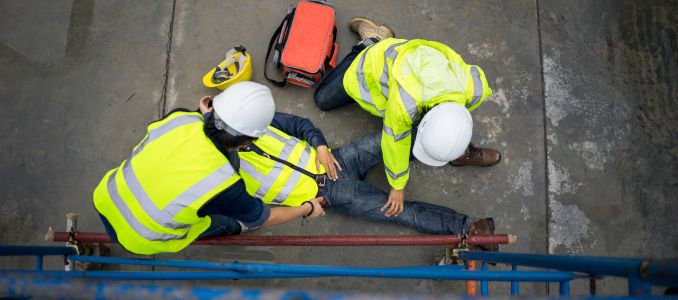
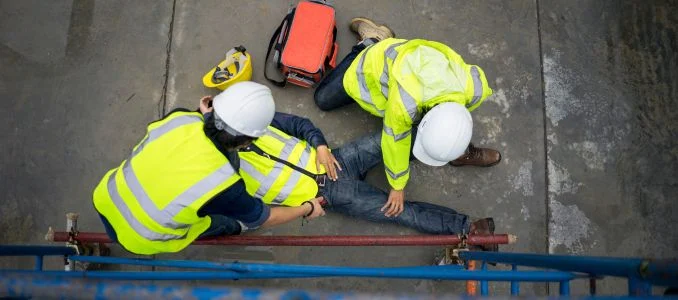
According to the research, falls accounted for a staggering 57% of all recorded hospitalizations. Of those, the vast majority were classified as "falls to a lower level," suggesting that despite decades of emphasis on scaffolding safety, harness usage, and guardrail requirements, workers are still navigating high-risk environments without adequate protection.
The data is not merely a collection of numbers; it represents 537 instances where a Washington worker’s life was upended by a preventable catastrophe. The report underscores that the danger is not distributed uniformly. While the state’s workforce is diverse, the burden of injury falls disproportionately on those in the construction and manufacturing sectors.
A Chronological Look at the 2024 Incident Trends
To understand the trajectory of these incidents, it is helpful to look at the progression of safety metrics over the course of the year.

- Q1 2024: The Winter Hazard Period: As the year began, Washington’s construction industry faced the typical challenges of inclement weather. Slippery surfaces and poor visibility in early months often contribute to a spike in fall-related accidents. Reports from the first quarter showed a consistent trend of falls from ladders and elevated platforms.
- Q2 2024: The Seasonal Surge: As spring projects commenced, the volume of construction activity increased, leading to a corresponding rise in reported injuries. The data suggests that the influx of seasonal or less experienced laborers during this window often correlates with a temporary dip in safety compliance.
- Q3 2024: The Peak of Operations: Mid-year, the manufacturing sector, particularly in heavy machinery and logistics, saw a concentration of incidents. While falls remained the leading cause of hospitalizations, crushing injuries and mechanical malfunctions also began to appear more frequently in the data.
- Q4 2024: Analysis and Reporting: The final quarter was defined by the synthesis of the data. SHARP program analysts cross-referenced workers’ compensation claims with hospital discharge databases to ensure that the 537 figure was both accurate and comprehensive, allowing for the public release of the findings early in 2025.
Supporting Data: Dissecting the Sectors
The SHARP report offers a granular look at the demographics of these injuries, confirming that construction leads all other industries in both the frequency and severity of accidents.
Construction: The Frontline of Danger
In the construction sector, falls to a lower level constitute more than 50% of all inpatient cases. The implications of this are significant. Construction sites are dynamic environments; they change daily, if not hourly. This constant state of flux means that permanent safety installations—like fixed guardrails—are often impractical, leaving workers reliant on personal protective equipment (PPE) and rigorous training protocols. When those layers fail, the results are almost always catastrophic.
Manufacturing: The Secondary Risk
Manufacturing operations accounted for the second-highest tally of serious injuries. Unlike construction, where falls from height dominate, manufacturing injuries are more varied. However, they remain equally severe. Common contributing factors in this sector include contact with heavy machinery, exposure to hazardous energy, and, increasingly, falls occurring in elevated storage or maintenance areas.

The Methodology of Oversight
The Surveillance System used by Washington state is a gold-standard model for other jurisdictions. By linking insurance records (L&I) with clinical hospital data, the state can identify not just that an injury occurred, but the nature of the trauma. This allows the state to pinpoint specific job titles, geographic regions, and even time-of-day trends that contribute to the most frequent hospitalizations.
Official Responses and Regulatory Outlook
State researchers and labor officials have responded to the report with a mix of urgency and resolve. The consensus among safety experts is that "compliance" is not the same as "safety."
"The data is a call to action," says one state safety lead. "We are seeing that even with strict regulations in place, the gap between policy and practice remains wide."

The Washington State Department of Labor & Industries (L&I) has indicated that they intend to use this data to target their enforcement efforts. This means employers can expect an increase in targeted inspections focusing specifically on fall protection in the construction sector. Furthermore, the state is encouraging companies to participate in "Safety Stand-Downs"—short, focused training sessions designed to halt work and reinforce safety procedures regarding heights and mechanical hazards.
The official 2024 industrial incident report serves as a diagnostic tool. By identifying these high-risk roles, the state hopes to assist employers in moving away from a reactive safety model—where they address issues after an accident—to a proactive model, where potential hazards are identified and mitigated before they result in a hospital visit.
Implications: What This Means for Employers and Employees
The release of this report carries profound implications for stakeholders across the board.

For Employers
The financial and human cost of these injuries is staggering. Beyond the immediate impact of a worker suffering a traumatic injury, companies face increased insurance premiums, potential legal liabilities, and the loss of experienced personnel. Employers are being urged to re-evaluate their safety culture. It is not enough to provide a harness; the company must ensure it is worn correctly, inspected regularly, and that there is a rescue plan in place should a fall occur.
For Employees
The data serves as a vital reminder for workers to advocate for their own safety. Workers are encouraged to refuse tasks they feel are unsafe and to report potential hazards to management or regulatory bodies. In many of the 2024 incidents, internal safety audits suggested that "near-misses" had occurred previously, indicating that the potential for injury was known but not addressed.
For the Industry at Large
The persistent dominance of fall-related injuries in the statistics suggests that current training methods may be insufficient. The industry is currently exploring new technologies, such as advanced fall-arrest systems, drones for site inspections, and automated monitoring systems that can alert supervisors if a worker enters a dangerous zone without proper protection.

A Path Forward: Prioritizing Life Over Pace
As Washington moves further into 2026, the lessons from the 2024 study remain highly relevant. The goal for the coming years is clear: reduce the number of inpatient hospitalizations by addressing the root causes identified in the report.
Safety is not an optional feature of a construction site or a manufacturing plant; it is the prerequisite for all operations. The 537 workers who ended up in the hospital in 2024 are the primary motivation for change. By utilizing the data provided by the SHARP program, Washington state is taking a methodical, evidence-based approach to ensuring that every worker returns home at the end of their shift.
The challenge now lies in translating these findings into actionable change on the ground. Whether through stricter enforcement, better training, or the adoption of new safety technologies, the priority must be to close the gap between the regulations on paper and the reality of the worksite. The safety of the workforce depends on it.
For those interested in the full breakdown of the data, including specific risk factors and technical appendices, the program’s complete 2024 industrial incident report is available for review on the official Washington State Department of Labor & Industries website. It is a document that every safety officer, project manager, and business owner in the state should prioritize for their next internal safety review.