

Mastering the Last Mile: Chewy COO Scott Anderson on Outmaneuvering E-Commerce Giants Through Elevated Delivery Experience

By Supply Chain & Logistics Desk
Published: October 2023
Main Facts
The modern e-commerce landscape is undergoing a structural evolution, largely driven by the relentless operational pacesetters Amazon and Walmart. According to Chewy Chief Operating Officer Scott Anderson, these retail gagos have fundamentally transformed consumer psychology, establishing a baseline expectation for rapid, frictionless home delivery.
However, this systemic conditioning presents both a severe challenge and a strategic opening for specialty retailers, niche brands, and emerging direct-to-consumer (DTC) players. Speaking in an exclusive interview, Anderson outlined a blueprint for survival and growth in an Amazon-dominated ecosystem. Because smaller brands cannot easily win a war of attrition against Amazon’s unmatched selection and supply-chain infrastructure—nor can they consistently undercut retail juggernaut Walmart on raw pricing—they must compete on experience.
Anderson, a seasoned logistics veteran who spent nearly a decade climbing the ranks at Amazon before taking the helm of end-to-end fulfillment at online pet retail giant Chewy and joining the board of parcel carrier Veho, argues that the "delivery experience" is the ultimate commercial differentiator. By leaning into personalized touches, flexible delivery windows, localized carrier networks, and transparent, responsive customer service, specialty retailers can carve out a defensible market share. Furthermore, Anderson’s insights highlight critical operational pillars for contemporary supply chains: balancing aggregate data metrics with qualitative customer anecdotes, and fostering transparent, collaborative relationships with carrier partners rather than engaging in a destructive "race to the bottom" on shipping costs.
Chronology: The Evolution of E-Commerce Logistics
To understand the modern delivery expectations articulated by Anderson, it is necessary to examine the chronological progression of logistics over the past two decades:
- The Early 2000s (The Foundation of Online Shopping): E-commerce was largely defined by baseline transactional functionality. Consumers accepted standard ground shipping times of 5 to 7 business days. Tracking information was basic, and delivery delays were viewed as an unavoidable cost of buying goods online.
- The Prime Effect (Late 2000s – 2010s): Amazon introduced the concept of subscription-based, expedited shipping with Amazon Prime. This fundamentally shifted consumer tolerance for wait times. Two-day shipping transformed from a luxury perk into an industry standard. During this period, Scott Anderson was building his operational expertise within Amazon, overseeing North American transportation and customer fulfillment as the company scaled its massive physical network.
- The Walmart Disruption (Mid-2010s – Present): As Amazon dominated speed and selection, Walmart leveraged its vast physical store footprint—situated within 10 miles of most Americans—to pioneer omnichannel fulfillment, curbside pickup, and aggressive price matching, putting intense pressure on retail margins.
- The Pandemic Acceleration (2020 – 2022): COVID-19 catalyzed a historic surge in e-commerce adoption. Consumers began demanding hyper-convenience for virtually every retail category, including groceries, pet supplies, and luxury goods. Expectations expanded beyond mere speed to include flexibility: adjustable delivery windows, contactless drop-offs, and seamless returns.
- The Experience Era (Present Day): Today, retail success requires more than just getting a package to a doorstep on time. As Anderson transitioned to Chewy and recently joined the board of high-growth parcel carrier Veho—which serves brands like Macy’s, Sephora, and Lululemon—the industry has entered a phase where the unboxing experience, real-time driver communication, and localized carrier optionality dictate brand loyalty.
Supporting Data and Industry Context
The operational hurdles highlighted by Anderson are underscored by broader shifts in the global supply chain and logistics sector. Consumer behavior studies over the past several years reveal a zero-sum tolerance for delivery failures:
- The Cost of Failure: According to various retail logistics studies, nearly 84% of consumers will not shop with a brand again after experiencing a single poor delivery experience. This validates Anderson’s assertion that modern shoppers "are not going to give you a second chance to screw it up."
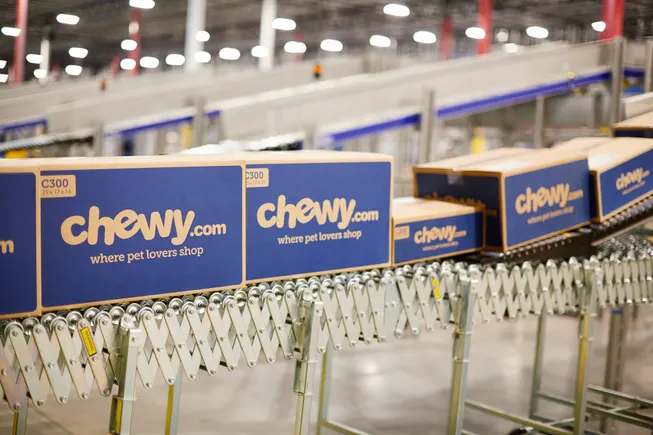
- The Rise of Regional Carriers: National carriers (such as FedEx, UPS, and the U.S. Postal Service) remain the backbone of American logistics. However, supply chain bottlenecks and capacity constraints have accelerated the adoption of regional and specialized carriers. Chewy utilizes a hybrid network combining FedEx, USPS, and regional operators like OnTrac to optimize service. Startups like Veho have captured market share precisely by offering the technological agility and communication tools that legacy carriers historically lacked.
- The Four Pillars of E-Commerce: Anderson segments retail success into four fundamental pillars: Price, Convenience, Selection, and Experience. While legacy giants own Price (Walmart) and Selection/Convenience (Amazon), the Experience pillar remains wide open for differentiated brands that utilize customized packaging, personalized marketing, and specialized delivery features.
Official Responses and Perspectives
Scott Anderson on Delivery as a Differentiator
Reflecting on his extensive tenure at Amazon and his current leadership role at Chewy, Anderson emphasizes that customers are acutely aware of how their packages arrive.
"Both at Amazon [and] at Chewy, we’ve noticed that delivery matters, and customers are engaged with that delivery," Anderson noted. It’s very hard to compete against Amazon because they have selection and convenience nailed. It’s very hard to compete against price with Walmart… Where you can win in this space is experience, because you can engage your customer better on personalization."
On Listening to the "Smoke" of Customer Anecdotes
Data metrics are vital for running a multi-billion-dollar supply chain, but Anderson cautions against relying solely on aggregate spreadsheets. During his time at Amazon, he learned to treat customer complaints and anecdotes as early warning systems.
"Anytime you had an anecdote that told you something materially different from the aggregate, you knew that there was smoke there," Anderson said. Addressing these localized or niche customer issues quickly prevents systemic churn, as consumer patience for repeated errors is practically nonexistent.
On Carrier Partnerships and Cost Wars
Shippers frequently fall into the trap of viewing third-party logistics (3PL) providers and parcel carriers merely as a commodity service—handing off packages and treating delivery failures as "someone else’s problem." Anderson strongly advises against this adversarial mindset.
"What I found is everyone wants to create a solution that’s beneficial to both the customer, the shipper, and the carrier," he stated. “When you work together, it’s a lot better."
He warns against racing to the bottom on price, noting that a relentless pursuit of the cheapest shipping rate ultimately degrades service quality and hurts all parties involved.
Implications for the Future of Supply Chain and Retail
The strategic framework outlined by Chewy COO Scott Anderson carries profound implications for retail executives, logistics managers, and consumer brands navigating the years ahead.
1. The Death of the Generic Unboxing Experience
As consumers become accustomed to standardized brown-box deliveries from mega-retailers, specialty brands must invest in the physical presentation of their goods. The "unboxing experience"—from branded, sustainable packaging materials to personalized insert cards—serves as a physical manifestation of brand identity. When combined with advanced delivery notifications, picture proof of delivery, and real-time driver communication, the post-purchase journey becomes a primary driver of customer lifetime value (LTV).
2. Transitioning from Cost-Center Logistics to Revenue Drivers
Historically, logistics and fulfillment have been viewed strictly as cost centers to be minimized. Anderson’s philosophy reframes logistics as an essential element of marketing and customer retention. By demanding advanced capabilities from carriers—such as adjustable delivery windows and boxless returns—retailers can turn a potential operational friction point into a competitive advantage.
3. Embracing Multi-Carrier Hybrid Networks
Relying on a single national carrier creates vulnerability to disruptions, capacity crunches, and geographic blind spots. Anderson highlights the value of building a balanced carrier mix. While national players provide scale, regional carriers and specialized tech-forward parcel networks offer superior service profiles in specific geographies—particularly in rural and super-rural regions where legacy networks may struggle with last-mile efficiency.
4. Collaborative Supply Chain Ecosystems
Finally, the adversarial dynamic between shippers and carriers must evolve into a collaborative partnership. By maintaining open lines of communication, sharing accurate forecasting data, and working together to solve operational bottlenecks, shippers can secure reliable capacity even during peak seasonal rushes.
In conclusion, while the e-commerce dominance of Amazon and Walmart will continue to shape consumer expectations, Scott Anderson’s insights prove that the game is far from over. For brands willing to invest in superior customer experience, meticulous operational listening, and strategic carrier partnerships, the last mile remains a wide-open frontier for growth and differentiation.