

Enhancing Worker Safety in the Renewable Energy Sector: VIDA Deploys Connected Monitors at U.K. Biomethane Facility

By Danielle Naidu
Assistant Editor
Main Facts
The intersection of renewable energy production and industrial worker safety has reached a new milestone in the United Kingdom. VIDA, a prominent bioenergy operator, has officially deployed advanced connected safety technology at its Wormslade facility. The installation features Blackline Safety’s portable G8 gas detectors, designed to safeguard personnel working in high-risk environments characterized by hazardous atmospheric conditions, toxic substances, and remote isolation.
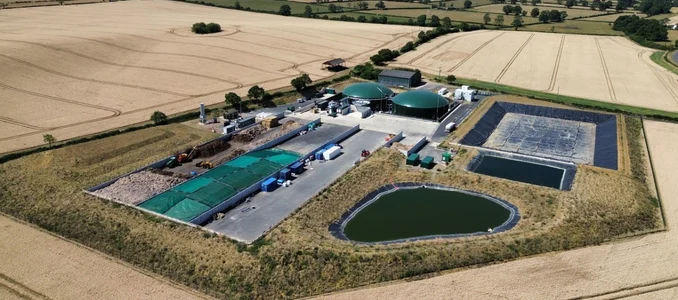
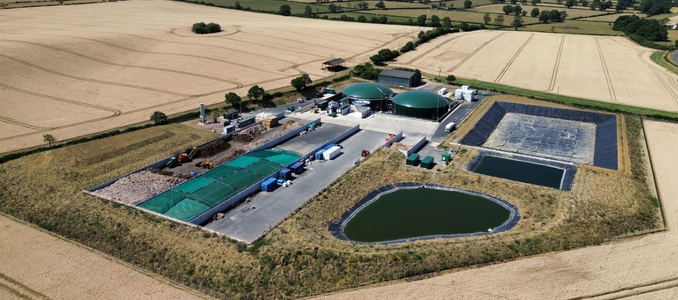
The Wormslade plant is a complex operational ecosystem that converts organic agricultural and municipal waste into sustainable products, including pipeline-quality biomethane, biogenic carbon dioxide, and organic fertilizer. While this green energy conversion process plays a crucial role in reducing carbon emissions and driving the circular economy, it inherently introduces severe industrial hygiene and safety hazards. Workers routinely navigate environments fraught with combustible gases, hydrogen sulfide, carbon monoxide, contaminated water, and oxygen-deficient atmospheres, particularly during confined-space entries and hot-work operations.
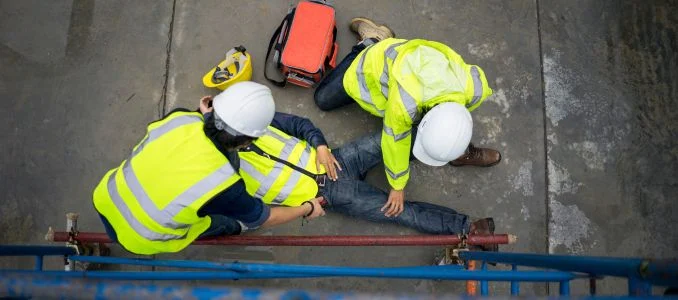
To mitigate these dangers, VIDA integrated the G8 wearable safety devices to provide comprehensive, real-time protection. Unlike traditional, passive gas detectors that merely sound an alarm locally, these connected monitors are equipped with automatic fall detection, "man-down" (lack of motion) alerts, and missed check-in protocols. Furthermore, the devices feature dedicated emergency and silent SOS functions, precise global location tracking, and push-to-talk (PTT) communication capabilities.
A standout feature of the deployment is the operational efficiency it introduces to atmospheric testing. Wormslade personnel can attach specialized pump cartridges directly to the G8 units to perform remote sampling before entering confined spaces, eliminating the need to carry secondary, standalone instruments. Additionally, the devices can be bump-tested and calibrated locally without requiring a hardwired Ethernet or Wi-Fi infrastructure, streamlining daily safety checks across the sprawling facility.
Behind the hardware lies a robust emergency response infrastructure. All device alerts are channeled directly into Blackline Safety’s 24-hour live monitoring center—or designated alarm-receiving partners—ensuring that an endangered worker is never truly alone, regardless of the shift hour. According to performance data provided by Blackline, emergency alerts reach live monitoring personnel in under two seconds, with a human response initiated in less than 60 seconds. Beyond immediate emergency intervention, VIDA plans to harness the rich data logs generated by the detectors to conduct trend analysis, identify potential exposure patterns, and generate automated compliance reports ahead of the facility’s rigorous annual environmental operating permit reviews.

Chronology of the Deployment
The integration of connected worker technology at the Wormslade facility did not happen overnight; it represents the culmination of a deliberate, phased strategy aimed at modernizing health and safety management in the bioenergy sector.
Phase 1: Risk Assessment and Technology Evaluation (Early Planning)
As the Wormslade bioenergy plant scaled its operations to meet surging demands for renewable biomethane, facility managers conducted a comprehensive internal safety audit. The assessment highlighted persistent vulnerabilities associated with lone workers operating across large expanses of farmland and processing units, as well as the recurring hazards of confined-space entry within anaerobic digesters and storage tanks. Management recognized that legacy gas detectors—which lacked telemetry, location tracking, and real-time remote visibility—were insufficient for a modern, high-hazard renewable energy facility. The safety team began evaluating connected safety ecosystems capable of bridging the gap between isolated field workers and central command.
Phase 2: Pilot Testing and Infrastructure Adaptation
Following a review of available market solutions, VIDA selected Blackline Safety’s G8 platform for a targeted pilot program at the Wormslade site. During this phase, a select group of plant operators and maintenance technicians tested the devices in real-world scenarios, ranging from routine perimeter inspections to complex maintenance turnarounds. Technicians evaluated the ergonomic impact of wearing the devices during strenuous physical labor, tested the reliability of the cellular and satellite location tracking, and verified the functionality of the bump-test and calibration workflows. Crucially, the trial demonstrated that the monitors could operate reliably across the facility without requiring expensive upgrades to local IT or Wi-Fi infrastructure.

Phase 3: Full-Scale Deployment and Integration
Encouraged by the success of the pilot phase, VIDA greenlit a full-scale deployment of the G8 monitors across the Wormslade workforce. Safety protocols were updated to mandate the use of the devices during all high-risk activities, particularly confined-space entries, hot work, and shifts involving lone operators. The safety team integrated the backend monitoring dashboard into daily operational workflows, establishing protocols for handling safety alerts and scheduling regular data reviews for compliance reporting.
Phase 4: Ongoing Optimization and Compliance Auditing
With the hardware fully operational, VIDA transitioned into a phase of continuous improvement. Safety managers began utilizing the historical exposure data and alert logs compiled by the G8 units to refine operational procedures, pinpoint chronic hazard zones, and proactively address safety gaps. This data-driven approach not only protects daily workers but also streamlines the preparation of documentation required for the facility’s upcoming annual environmental operating permit reviews.
Supporting Data and Technical Specifications
The effectiveness of the VIDA deployment relies heavily on the advanced engineering and technical capabilities embedded within the Blackline Safety G8 ecosystem. Understanding the quantitative parameters of these devices sheds light on why modern bioenergy facilities are shifting away from conventional safety gear toward connected infrastructure.

| Technical Parameter | Specification / Capability | Operational Impact at Wormslade |
|---|---|---|
| Alert Transmission Speed | Under 2 seconds to monitoring personnel | Ensures immediate awareness of critical gas spikes, falls, or medical emergencies. |
| Live Response Time | Under 60 seconds from human operators | Guarantees rapid emergency dispatch and minimizes the golden hour of trauma/exposure. |
| Monitoring Availability | 24 hours a day, 7 days a week | Provides continuous oversight across overnight shifts, weekend maintenance, and remote hours. |
| Gas Detection Versatility | Multi-gas capability with quick-connect pump cartridges | Allows workers to monitor combustible and toxic gases and perform pre-entry sampling with a single device. |
| Safety Telemetry | Fall detection, "man-down," missed check-ins, SOS | Protects lone workers against incapacitating events, even if they are unable to manually trigger an alarm. |
| Connectivity & Calibration | Standalone bump test/calibration without Wi-Fi/Ethernet | Simplifies device maintenance anywhere on the sprawling agricultural and industrial site. |
| Data Analytics | Automated logging of exposures, alarms, and user activity | Empowers management to build compliance reports and identify systemic safety trends. |
The integration of multi-gas detection with cellular-enabled connectivity addresses a historical blind spot in industrial safety: the lag time between an incident occurring and help arriving. In biogas plants, where toxic gases like hydrogen sulfide can incapacitate a human within breaths, a response time of under 60 seconds can mean the difference between a minor incident and a fatal catastrophe.
Official Responses and Industry Perspectives
The partnership between VIDA and Blackline Safety underscores a broader evolution within the industrial safety sector, where digitalization and worker well-being are increasingly intertwined. Industry leaders and safety advocates have welcomed the deployment as a benchmark for how renewable energy operators should manage occupational health risks.
Representatives from Blackline Safety emphasized that the modern bioenergy landscape demands proactive, data-backed protection rather than reactive compliance measures. In statements accompanying the deployment, technology developers highlighted that renewable energy facilities—while environmentally friendly—house complex chemical and biological processes that require the same, if not higher, levels of vigilance as traditional oil and gas refineries.

"Renewable energy is vital for our environmental future, but the workers building and maintaining this infrastructure face very real, industrial-grade hazards every single day," noted industrial safety specialists familiar with the Wormslade project. "By outfitting personnel with connected monitors, operators like VIDA are demonstrating that worker safety and green innovation go hand in hand."
VIDA’s management echoed these sentiments, stressing that the well-being of their workforce is the foundation upon which sustainable energy production is built. Facility directors pointed out that managing a bioenergy plant involves unique operational hurdles—such as vast geographic footprints spanning farmland, anaerobic digestion tanks, and gas-upgrading units—where traditional radio check-ins are often inadequate.
Furthermore, safety supervisors at VIDA highlighted the psychological benefit the devices provide to employees. Knowing that a 24-hour monitoring center is tracking their vital metrics, location, and environmental exposure provides profound peace of mind for technicians performing isolated maintenance tasks or entering dark, confined spaces. The ability of the devices to facilitate push-to-talk communication further bridges operational silos, allowing field crews to coordinate effortlessly without fumbling for separate two-way radios.

Implications for the Bioenergy Sector and Future Safety Standards
The successful rollout of connected gas detection and lone worker monitoring at the Wormslade facility carries significant implications for the broader bioenergy and renewable energy industries. As the global push toward net-zero emissions accelerates, thousands of new biogas, biomethane, and green hydrogen plants are slated for construction over the coming decade. These facilities will inherit complex operational hazards that demand modern safety paradigms.
1. The Shift from Reactive to Predictive Safety
For decades, occupational health and safety compliance was largely a reactive exercise—accidents were investigated after the fact, and gas detectors were treated as simple compliance checkboxes rather than analytical tools. The VIDA deployment illustrates how wearable IoT (Internet of Things) devices transform safety into a predictive science. By aggregating months of exposure data, near-miss alerts, and gas-leak patterns, plant managers can identify failing seals, drifting valves, or unsafe operational habits before they result in catastrophic failures or regulatory fines.
2. Streamlining Regulatory Compliance and Environmental Audits
Environmental and safety regulatory bodies across Europe and North America are tightening scrutiny on renewable energy operations, particularly concerning fugitive gas emissions, worker exposure limits, and confined-space entry protocols. VIDA’s plan to utilize G8 data logs for annual environmental operating permit reviews points toward a future where automated digital records replace manual paper logs. Regulatory auditors increasingly favor transparent, tamper-proof digital data trails that definitively prove adherence to safety and environmental standards.

3. Redefining Lone Worker Management in Remote Locations
Bioenergy facilities are frequently situated in rural agricultural settings, adjacent to feedstock sources, rather than heavily urbanized industrial parks. This spatial distribution often results in workers operating in isolated conditions across large property footprints. The integration of GPS location tracking, satellite/cellular connectivity, and automated fall detection sets a new benchmark for rural industrial safety. It proves that isolation is no longer an excuse for delayed emergency response.
4. Catalyst for Industry-Wide Adoption
As case studies from pioneering facilities like Wormslade circulate within the bioenergy community, industry peers will likely face mounting pressure to upgrade their own safety infrastructure. Insurance providers, labor unions, and corporate boards are increasingly evaluating environmental, social, and governance (ESG) metrics that directly incorporate worker health and safety performance. Facilities that cling to outdated, analog safety equipment may find themselves facing higher insurance premiums, increased regulatory scrutiny, and recruitment challenges in a competitive labor market.
Conclusion
The deployment of Blackline Safety’s G8 connected monitors at VIDA’s Wormslade facility marks a significant step forward in the ongoing evolution of industrial safety within the renewable energy sector. By combining multi-gas detection, automated lone-worker telemetry, sub-minute emergency response protocols, and advanced data analytics, VIDA has established a robust framework for protecting its workforce while maintaining rigorous environmental compliance. As the green energy economy continues to expand, innovations of this caliber will undoubtedly serve as the cornerstone for safeguarding the lives of the people powering our sustainable future.