

DEARBORN, MI — Ford Motor Co. has initiated a significant safety recall affecting 288,314 Explorer SUVs, citing a persistent defect involving exterior roof rail covers that have the potential to loosen and detach while the vehicle is in motion. The recall serves as a critical safety intervention, aimed at preventing road hazards caused by flying vehicle debris.
The National Highway Traffic Safety Administration (NHTSA) has officially categorized the campaign as 26V448, while internal Ford documentation identifies the action as recall 26S54. As automotive safety standards continue to tighten, this recall highlights the complex intersection of manufacturing, long-term durability, and the effectiveness of prior repair attempts.
The Core Issue: Why the Trim Detaches
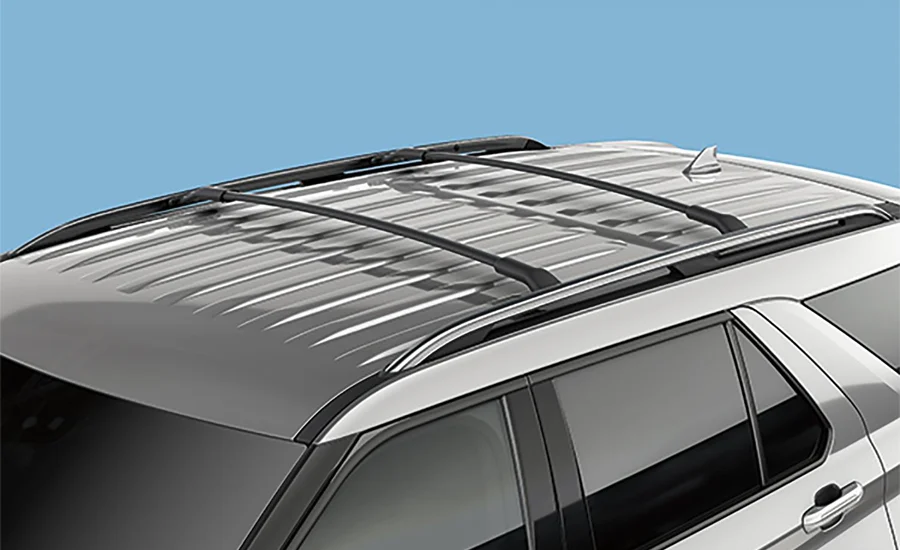
The problem centers on the decorative covers designed to sit atop the Explorer’s roof rails. These components are primarily aesthetic, meant to provide a sleek, streamlined look to the SUV’s profile. However, Ford’s engineering investigation revealed that a combination of environmental factors and design limitations can cause these covers to become projectiles.
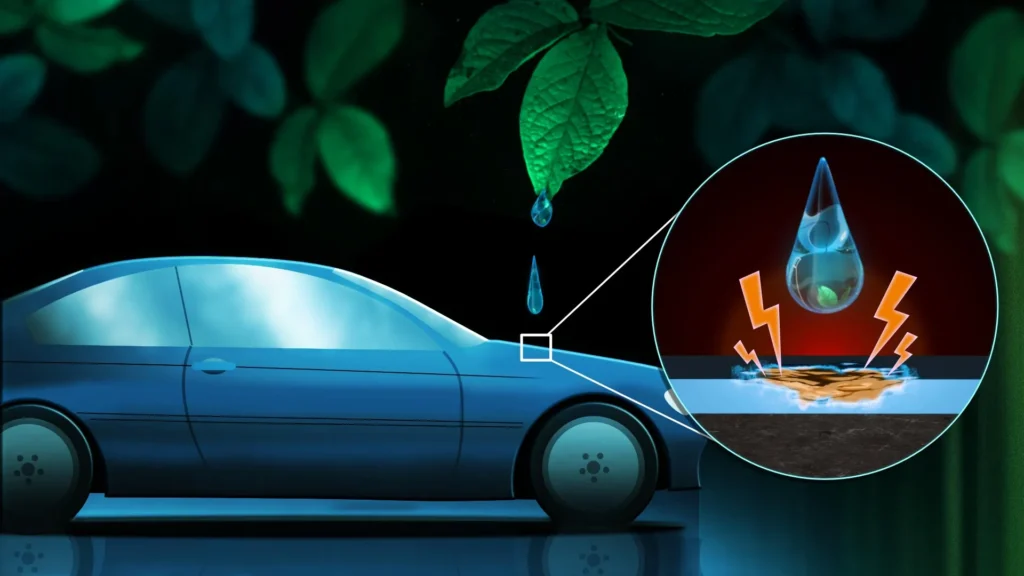
According to the report, years of exposure to extreme heat cycles—often referred to in the industry as thermal expansion and contraction—coupled with standard road vibration, can compromise the integrity of the retention clips holding the trim in place. When these clips fail or weaken, the roof rail cover loses its structural anchor, creating a risk of separation.
The danger to other motorists is significant. A detached trim piece traveling at highway speeds acts as a road hazard, potentially forcing drivers in trailing vehicles to brake suddenly or swerve, which significantly increases the risk of a secondary collision or loss of vehicle control.
Chronology and Scope of the Recall
The current recall encompasses a specific window of production: 2016 through 2019 model-year Ford Explorer SUVs manufactured between September 19, 2014, and March 3, 2019.
A History of Remediation
This is not the first time Ford has addressed this specific concern. Previously, the company attempted to mitigate the issue through a "customer satisfaction program" (20N11), which relied on an adhesive-based repair. However, Ford’s subsequent investigation found that this initial solution was inconsistent.
The efficacy of the 20N11 repair depended heavily on the precision of the dealership technician. Ford identified several failure points in this previous repair attempt:
- Improper Clip Replacement: In many instances, technicians failed to replace damaged retention clips before applying the adhesive, leaving the root cause of the detachment unaddressed.
- Application Errors: The adhesive was occasionally applied in the incorrect location or in insufficient quantities to provide a lasting bond.
- Curing Conditions: Environmental factors within service bays—such as humidity and ambient temperature—meant that the adhesive did not always cure correctly, leading to premature failure of the bond.
The realization that the previous "fix" was insufficient led federal regulators and Ford to push for this formal recall, which mandates a more robust and standardized inspection and replacement procedure.
Determining Your Vehicle’s Status
Because the vehicles included in the recall were not produced in a linear, sequential Vehicle Identification Number (VIN) range, owners cannot assume their vehicle is safe simply because it is not within a specific manufacturing block.
Ford and the NHTSA strongly urge all owners of 2016–2019 Explorer models to visit the NHTSA recall website or the official Ford owner portal. By entering their 17-digit VIN, owners can instantly verify if their specific unit is subject to the recall.
Warning Signs for Owners
Ford has emphasized that vehicle owners may notice specific auditory or visual cues long before a complete detachment occurs. Identifying these symptoms is essential for proactive safety. Owners are encouraged to monitor their vehicles for:
- Increased Wind Noise: A sudden change in cabin acoustics at highway speeds, often indicating that the seal around the roof rail has been compromised.
- Audible Rattling or Squeaking: The sound of loose plastic vibrating against metal or the roof frame.
- Visible Gaps: A noticeable misalignment between the plastic trim cover and the roofline, or a gap where the trim has begun to lift.
Important: Ford advises that if a driver notices any of these symptoms, they should refrain from attempting a "DIY" adhesive repair. Amateur attempts at securing the trim using off-the-shelf glues or tapes can actually interfere with the proper installation of official replacement parts and may not withstand the aerodynamic forces encountered during high-speed driving. Instead, owners should contact an authorized Ford or Lincoln dealership to schedule a formal inspection.
Supporting Data and Technical Implications
While the NHTSA estimates that only 1 percent of the recalled population may currently exhibit the defect, the sheer volume of vehicles—nearly 290,000—necessitates a broad recall to ensure public safety.
The manufacturing process for modern SUVs involves a complex assembly of multi-material components. The roof rail assembly, specifically, requires a precise balance between plastic elasticity and metallic clip tension. When the structural integrity of these clips is compromised by heat-cycle fatigue, the assembly loses its "preload," the force required to keep the component flush against the vehicle body.
The Engineering Challenge
In the context of modern automotive assembly, "fit and finish" are not just aesthetic concerns; they are critical to vehicle performance and safety. When a component like a roof rail cover is designed to be aerodynamic, it is subject to high-pressure air currents. If a small gap develops due to clip failure, that air current creates a "lift" effect, acting like an airplane wing on the trim piece. This aerodynamic lift is what ultimately forces the component off the vehicle.
Official Responses and Next Steps
Ford Motor Co. has communicated that they will notify owners via first-class mail once the replacement parts and service procedures are fully finalized at the dealer level. The company is currently working to ensure that its dealer network has the necessary inventory of upgraded retention clips and, if necessary, replacement covers.
In their official statement, Ford emphasized their commitment to vehicle safety, stating, "We are working diligently with our manufacturing and service teams to ensure that all affected vehicles receive the necessary repairs to maintain the highest standards of safety and reliability."
For those who have already paid for repairs related to this issue, Ford may offer reimbursement. Owners are encouraged to keep all receipts and service records related to their roof rail maintenance to submit for potential compensation under the recall program.
Implications for the Industry
This recall serves as a case study in the challenges of "legacy" repairs. When a manufacturer launches a service campaign—such as the previous customer satisfaction program—it is often a delicate balance between cost, speed, and efficacy. However, as this case demonstrates, if a repair relies too heavily on human precision in a variable service environment, the long-term risk of failure remains high.
As autonomous vehicle development and advanced safety systems continue to dominate the headlines, it is easy to overlook the "simple" mechanical components. Yet, as the Ford Explorer recall illustrates, even minor trim components can pose significant risks to public infrastructure and driver safety.
Moving forward, the industry is likely to see an increase in the use of automated, high-precision assembly methods for exterior trim to reduce the "technician-dependent" variables that contributed to this specific recall. For now, the priority remains clear: ensure that the nearly 300,000 Explorers currently on the road are inspected and properly secured to prevent further incidents of road debris.
Summary Checklist for Owners:
- Locate your VIN: Found on the driver-side dashboard or inside the door jamb.
- Check the NHTSA/Ford Portal: Visit nhtsa.gov/recalls or Ford’s owner website.
- Monitor your roof: Look for gaps or listen for rattles.
- Schedule Service: If your vehicle is flagged, contact your local dealership immediately to schedule a professional repair rather than attempting a temporary fix.
By taking these steps, owners can help ensure that the roads remain safe for everyone, preventing what could otherwise be a dangerous and avoidable highway incident.