



The China Paradox: GAC-Honda Secures Extension to 2038 Despite Production Crash and $16bn Global EV Writedown

Main Facts
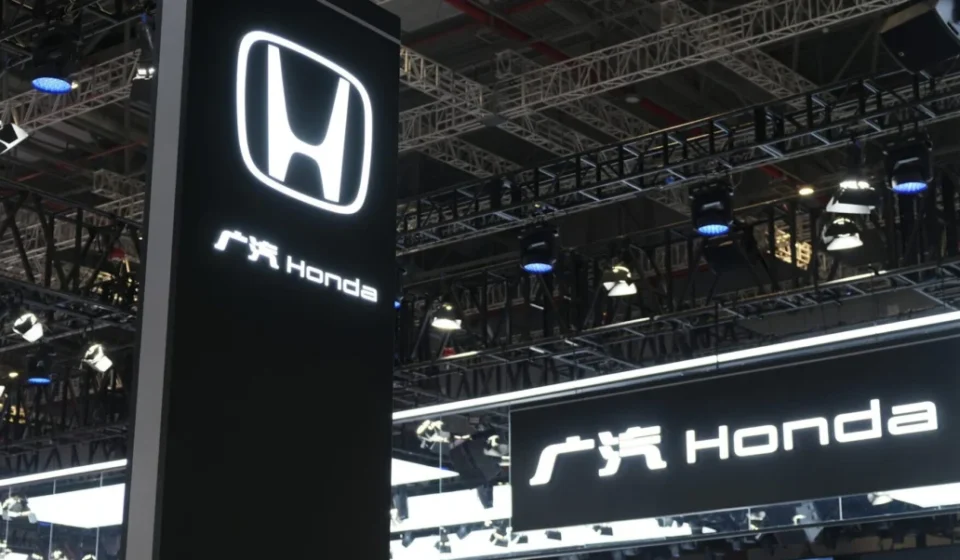
In a move that highlights both the defensive maneuvers of legacy foreign automakers in China and the shifting realities of global automotive manufacturing, Honda Motor Company has formally extended its joint venture with the state-owned Guangzhou Automobile Group (GAC) through 2038. This renewal preserves the long-standing 50-50 ownership structure of the GAC-Honda venture, securing its future a full two years before the original 30-year agreement was set to expire in 2028.
However, the early renewal comes against a backdrop of severe operational distress. The joint venture is grappling with a catastrophic drop in domestic sales, highlighted by a 55.8% year-on-year plunge in deliveries during the first half of 2026, totaling just 68,318 vehicles. This decline was underscored by a dramatic reduction in production: in June 2026, manufacturing output collapsed by over 83% to just 5,201 units, forcing the indefinite suspension of operations at GAC-Honda’s 240,000-unit-capacity Huangpu plant.
GAC-Honda June 2026 Performance vs. June 2025
┌──────────────────────┬──────────────────────────────────────────┐
│ June Sales           │ 14,099 units (▼ 53% YoY)                 │
├──────────────────────┼──────────────────────────────────────────┤
│ June Production      │ 5,201 units (▼ 83% YoY)                  │
├──────────────────────┼──────────────────────────────────────────┤
│ Plant Closures       │ Huangpu ICE Plant (240,000-unit capacity)│
└──────────────────────┴──────────────────────────────────────────┘
Compounding these local struggles is a massive financial realignment at Honda’s global headquarters. The Japanese automaker is writing off nearly US$16 billion as it retreats from several ambitious, high-profile electric vehicle (EV) initiatives. This includes the cancellation of its premium "0 Series" EV lineup and the quiet dissolution of its "Afeela" joint venture with Sony.
To survive in China, GAC-Honda is pivoting away from domestic dominance to become a specialized export hub, shipping vehicles to Europe, Canada, Latin America, and—most surprisingly—reverse-exporting right-hand-drive vehicles back to Japan.
Chronology
The trajectory of GAC-Honda reflects the broader rise, peak, and sudden disruption of foreign joint ventures in the Chinese automotive landscape:
- 1998: GAC-Honda is established in Guangzhou, Guangdong province, marking Honda’s historic first manufacturing joint venture in China. Over the next two decades, the venture becomes a cash cow, eventually surpassing 11 million cumulative sales.
- 2020: GAC-Honda absorbs Honda’s dedicated Chinese export arm, setting the structural foundation for its eventual transformation into an export-oriented manufacturing base.
- Late 2023: GAC-Honda begins "reverse-exporting" right-hand-drive Odyssey minivans from its Zengcheng plant directly to Japan. This marks a historic shift for the Japanese market, which has traditionally resisted importing foreign-built vehicles.
- February 2025: High-stakes merger and alliance talks between Honda and Nissan collapse. Nissan’s board rejects the proposal, fearing the minority stake it would be left with, prompting Nissan to pursue its independent "Re:Nissan" turnaround strategy under Chief Executive Ivan Espinosa.
- April 2025: GAC-Honda launches the P7 electric vehicle, attempting to establish a foothold in China’s rapidly electrifying passenger car market.
- April 2026: Facing a severe inventory buildup and collapsing demand for internal combustion engine (ICE) vehicles, Honda suspends operations at the Huangpu plant, idling 240,000 units of annual production capacity.
- Mid-2026: First-half delivery figures reveal a devastating 55.8% year-on-year sales decline. Rumors circulate that joint venture negotiations are stalling, with GAC allegedly demanding a greater share of control to offset Honda’s declining market share.
- July 2026: Defying speculation of an impending breakup, GAC and Honda formally announce the extension of their joint venture through 2038, maintaining the equal 50-50 equity split.
- 2027 (Projected): GAC-Honda plans to launch three new strategic New Energy Vehicle (NEV) models, including a highly anticipated, next-generation Accord designed to claw back market share.
- 2028: The original expiration date of the 1998 joint venture agreement.
Supporting Data
The structural crisis facing GAC-Honda, and Japanese automakers more broadly, is clearly reflected in recent market data:
The Domestic Sales and Production Collapse
The joint venture’s operational metrics for the first half of 2026 reveal a steep downward trend:
- H1 2026 Deliveries: 68,318 vehicles, down 55.8% compared to the same period in 2025.
- June 2026 Sales: 14,099 units, representing a 53% year-on-year drop.
- June 2026 Production: 5,201 units, an 83% collapse compared to June 2025. This extreme production cut was designed to prevent dealership networks from drowning in unsold inventory.
GAC-Honda First-Half (H1) Deliveries (2025 vs. 2026)
H1 2025: ██████████████████████████████ 154,565 units (Est.)
H1 2026: █████████████ 68,318 units (▼ 55.8%)
The Macro Shift in Chinese Market Share
The struggles of GAC-Honda are not unique; they reflect a broader retreat of Japanese automotive brands from the Chinese market:
- 2020 Japanese Brand Market Share: Approximately 24% of the Chinese passenger vehicle market.
- 2026 Japanese Brand Market Share: Roughly 13%, a near-halving of market presence in just six years, driven by the rapid rise of domestic Chinese EV giants like BYD, Geely, and Li Auto.
Honda’s Global Financial Retreat
The decision to double down on the GAC partnership occurs alongside major write-offs at the corporate level:
- Total Global EV Retreat Writedown: Approximately US$16 billion.
- Supplier Liabilities: Up to US$10 billion of this write-off is allocated to compensate global suppliers who had already made capital investments in tooling and production lines for the now-canceled "0 Series" and "Afeela" EV projects.
- North American Redirection: In the United States, Honda is repurposing canceled EV capacity to expand production of its highly profitable Civic hybrid models.
Official Responses
In the joint announcement confirming the extension of the partnership to 2038, GAC and Honda sought to project a unified, forward-looking front. Both automakers stated they would:
"…leverage their respective technological and resource advantages to comprehensively rebuild GAC-Honda’s market competitiveness and accelerate its strategic transition toward new energy vehicles."
The statement emphasized that the 50-50 ownership structure remains the optimal vehicle for navigating the transition, directly addressing local analyst speculation that GAC was seeking to seize majority control of the joint venture.
Internally, Honda executives have acknowledged that the company was a "laggard" during the first wave of pure battery-electric vehicle (BEV) adoption. Instead of rushing inefficient BEVs to market, Honda is focusing on its proprietary e:HEV dual-motor hybrid drive system as a transitional technology.
Meanwhile, Nissan’s leadership has made it clear that they are carving out a separate path. Following the collapse of the Honda-Nissan merger talks in early 2025, Nissan Chief Executive Ivan Espinosa reaffirmed the company’s commitment to its independent "Re:Nissan" turnaround plan. This strategy prioritizes AI integration, localized Chinese software partnerships, and its own joint venture exports with Dongfeng.
Implications
The extension of the GAC-Honda joint venture, set against a backdrop of local sales collapses and multi-billion-dollar write-offs, carries significant implications for the global automotive industry.
      ┌──────────────────────────────────────────────────────────┐
      │             THE JAPANESE AUTO EXPORT SHIFT               │
      └────────────────────────────┬─────────────────────────────┘
                                   │
         ┌─────────────────────────┼─────────────────────────┐
         ▼                         ▼                         ▼
┌─────────────────┐       ┌─────────────────┐       ┌─────────────────┐
│      HONDA      │       │     NISSAN      │       │      MAZDA      │
│ Ships Odyssey   │       │ Ships N7 EV to  │       │ Exports 6e &    │
│ minivans from   │       │ SE Asia &       │       │ CX-6e to RHD    │
│ China to Japan. │       │ Frontier to MX. │       │ markets (AUS).  │
└─────────────────┘       └─────────────────┘       └─────────────────┘
The Rise of China as a Low-Cost Export Hub for Legacy Brands
As domestic market share for foreign brands in China shrinks, international automakers are repurposing their underutilized Chinese factories for export. Building vehicles in China allows Japanese brands to tap into the country’s highly mature, cost-efficient battery and electronics supply chains.
- GAC-Honda is expanding its export footprint to Europe, Canada, and Latin America. Its "reverse-export" of the Odyssey minivan to Japan represents a major shift in Japanese consumer habits and manufacturing strategy.
- Nissan is leveraging its Dongfeng joint venture to export the new N7 electric sedan to Southeast Asia and the Frontier Pro plug-in hybrid pickup to Mexico.
- Mazda is utilizing its Chinese operations to manufacture and export the new 6e and CX-6e electrified models to major right-hand-drive markets, such as Australia.
Geopolitical Hedging and the "Trump Tariff" Defense
The trend of reverse-importing vehicles is not limited to shipments from China to Japan. Honda, Nissan, Mazda, and Subaru are also actively evaluating plans to reverse-import vehicles manufactured in their United States facilities back into Japan.
This strategy appears to be a defensive geopolitical hedge. By increasing the volume of US-made vehicle exports, Japanese automakers likely hope to curry favor with the US administration, helping to protect themselves against potential punitive tariffs on Japanese-made goods.
The Realignment of Global EV Strategies
Honda’s US$16 billion write-off reflects a wider, industry-wide reality check on electric vehicles. The cancellation of the Sony-backed Afeela brand and the 0 Series indicates that the cost of developing proprietary, ground-up EV platforms is proving prohibitive for mid-sized global OEMs when compared to Chinese rivals.
By redirecting capital in North America toward hybrid models like the Civic hybrid, and extending its GAC partnership in China through 2038, Honda is choosing a more conservative, hybrid-heavy path. The joint venture’s survival will depend on whether its upcoming 2027 NEV lineup—anchored by the next-generation Accord—can compete with domestic Chinese automakers who currently hold a significant cost and software advantage.