



The Human Capital Bottleneck: Can Workforce Development Keep Pace with the U.S. Manufacturing Renaissance?

By Austin Weber, Senior Editor
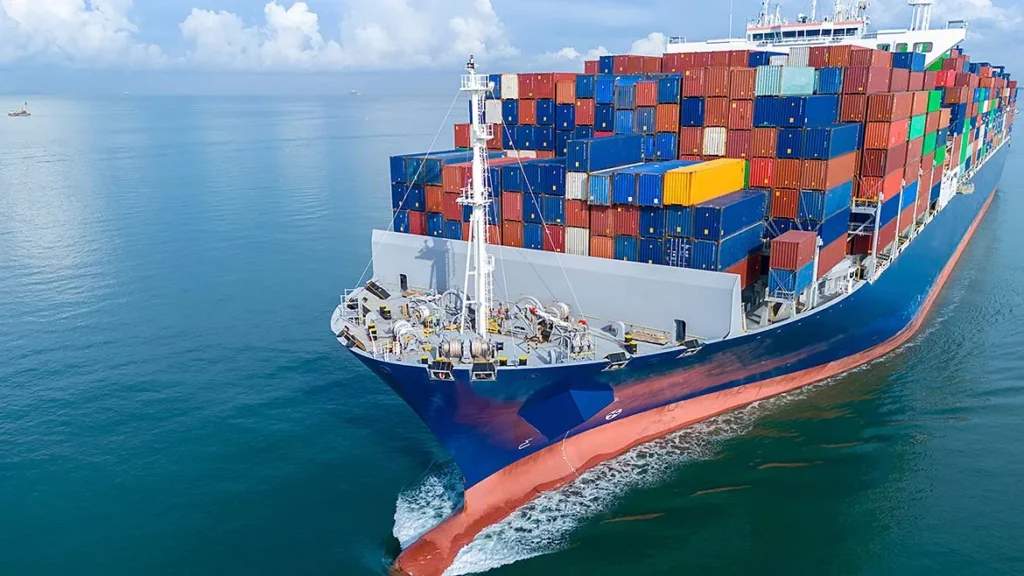
The narrative of American industry over the last five years has been one of historic, transformative resurgence. From the high-tech corridors of the Sun Belt to the industrial heartland of the Midwest, the United States is witnessing a massive influx of capital, a boom in factory construction, and a strategic pivot toward "reshoring"—the process of bringing critical production chains back to domestic soil.
However, beneath the gleaming headlines of record-breaking output and multi-trillion-dollar investments lies a sobering reality. According to a new report, The Rise of U.S. Manufacturing, published by MISUMI Americas, the future of this industrial renaissance does not hinge on access to capital, robotics, or supply chain logistics alone. Instead, it hinges on a single, increasingly scarce commodity: human talent. As the sector evolves into a landscape of advanced automation and complex digital integration, the domestic workforce is facing a "skills gap" that threatens to derail years of progress.
The State of the Industry: A $2.91 Trillion Snapshot
To understand the scale of the challenge, one must first look at the recent successes of the American manufacturing sector. Domestic manufacturing output has reached an all-time high of $2.91 trillion. This figure is not merely a product of inflation; it represents a fundamental shift in how the U.S. views its industrial autonomy.
Following the disruptions of the global pandemic and the geopolitical tensions that exposed the fragility of offshore supply chains, private and public investment has poured into the domestic sector. New facilities are rising, designed to produce everything from semiconductor chips and electric vehicle (EV) batteries to medical devices and aerospace components.
Yet, this influx of infrastructure is creating a paradoxical environment. Factories are being built, but they are increasingly difficult to staff. The report estimates that manufacturers will need to fill 3.8 million additional jobs by 2033. Perhaps more alarmingly, the data suggests that nearly half of those roles—roughly 1.9 million positions—are projected to go unfilled if the status quo remains unchanged.
Chronology of the Crisis: From Deindustrialization to Modern Necessity
The current labor shortage did not occur overnight. It is the culmination of a decades-long transition in the American economy.
- 1990s – 2010: The era of mass offshoring. During this period, the U.S. manufacturing base shrank as companies chased lower labor costs in overseas markets. This led to a "hollowing out" of technical education programs and a decline in interest in manufacturing as a career path among younger generations.
- 2015 – 2020: The shift in perception. Industry leaders began to recognize that the "Made in the USA" label carried significant value in terms of quality control and supply chain security. Automation began to take center stage, but the workforce remained geared toward legacy production methods.
- 2020 – 2022: The catalyst. Global supply chain shocks forced a national reckoning. Policymakers realized that relying on distant nations for critical components was a national security risk.
- 2023 – Present: The "Reshoring" Boom. Massive capital projects are underway, but the workforce pipeline has failed to scale at the same pace. The focus has now shifted from building factories to finding the people to operate the sophisticated machinery within them.
Supporting Data: Why the Skills Gap is Different This Time
Historically, manufacturing jobs were often synonymous with manual labor. Today, the sector is defined by Industry 4.0—a convergence of physical machinery, IoT sensors, AI-driven analytics, and precision robotics.
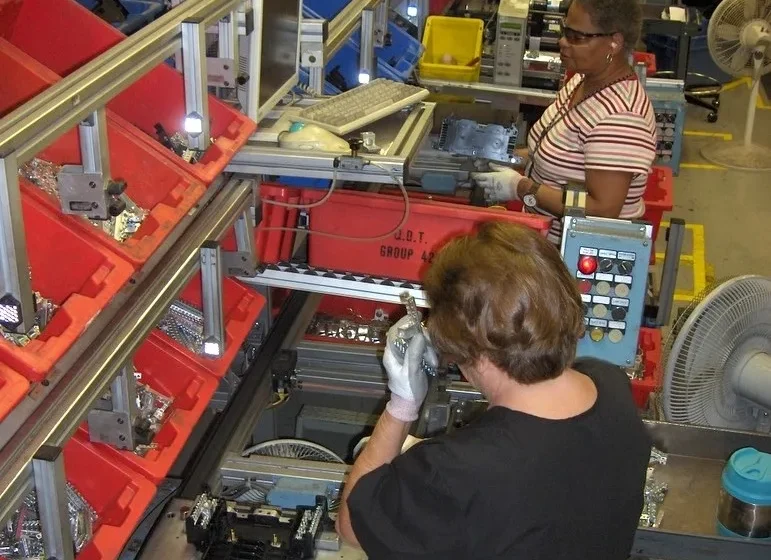
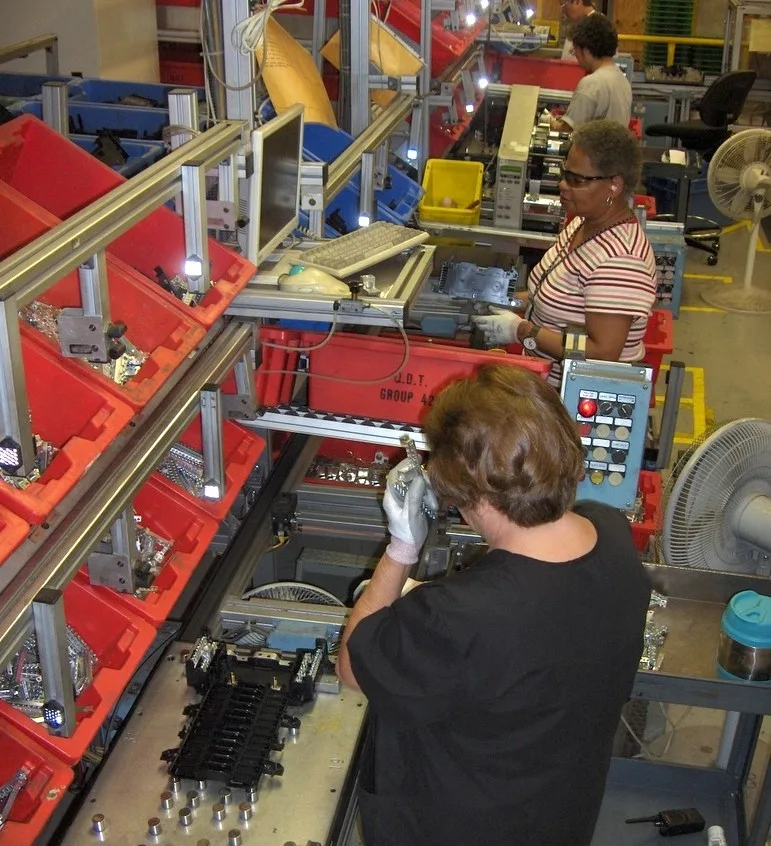
The MISUMI Americas report highlights that the "skills gap" is not merely about a shortage of workers; it is a mismatch of qualifications. The modern manufacturing floor requires a hybrid skillset: an understanding of traditional mechanics paired with proficiency in software, data interpretation, and advanced systems troubleshooting.
"The investment case for American manufacturing has never been stronger—record output, a historic construction cycle, trillions in committed foreign capital," says Dave Evans, president and CEO of MISUMI Americas. "What we see with our customers every day is that the next constraint isn’t capital. It’s having enough people with the right advanced skills to run these facilities at full capacity."
Without a targeted intervention, the mismatch between the high-tech demands of modern factories and the existing skills of the available workforce will lead to stalled production lines, inflated costs, and the potential for new factories to become "ghost facilities"—hollow shells of investment that cannot reach their projected output.
Official Responses: Legislative Solutions and Global Exchanges
Recognizing that the private sector cannot solve this structural issue in a vacuum, legislators in Washington have begun to draft policies aimed at bridging the divide.
One of the most notable initiatives is H.R. 9097, the American Manufacturing Revitalization Exchange Program Act, introduced last month by Rep. Bill Huizenga (R-MI). The bill, currently pending before the House Committee on Foreign Affairs, proposes a radical but pragmatic approach to skills development: international cross-training.
The legislation aims to create a structured exchange program, sending American manufacturing workers to train in nations that currently lead in advanced production, such as Germany, Japan, and South Korea. These nations have long-standing apprenticeship models and technical education frameworks that the U.S. has struggled to replicate at scale. By embedding American workers in these high-performing environments, the program hopes to accelerate the transfer of "tribal knowledge" and technical best practices back to U.S. shores.
"Having a strong manufacturing sector is critical to our economy, national security and ability to compete globally," says Congressman Huizenga. "By focusing on advanced manufacturing… this legislation will help reshore American manufacturing, equip American workers with in-demand skills and rebuild our nation’s middle class."
The bill has garnered significant support from industry powerhouses, including the National Association of Manufacturers (NAM), the Manufacturing Institute, and Automation Alley. These organizations argue that the legislation represents a necessary bridge between the current, localized workforce and the globalized standard of modern industry.
Implications: A Crossroads for American Industry
The implications of failing to close the skills gap are profound. If the 1.9 million unfilled job projection holds true, the economic impact would be felt far beyond the factory floor.
- Supply Chain Instability: If domestic factories cannot produce at capacity, the U.S. remains tethered to the very international supply chains it sought to decouple from, maintaining the status quo of vulnerability.
- Inflationary Pressures: A labor shortage drives up wages without necessarily increasing output, leading to higher costs for consumers as manufacturers struggle to maintain margins.
- Regional Economic Stagnation: Many of the new "megafactories" are located in regions that rely on industrial growth for tax revenue and community development. If these facilities fail to launch, the local economic ripple effects could be devastating.
Conversely, successfully closing the gap presents an opportunity for a "New Middle Class." Jobs in modern manufacturing are increasingly well-paying, stable, and cognitively demanding. By professionalizing the manufacturing career path—through programs like the proposed exchange act and modernized trade schools—the U.S. has the potential to revitalize its industrial workforce in a way that aligns with the realities of the 21st-century economy.
Conclusion: The Path Forward
The "Rise of U.S. Manufacturing" is currently at a tipping point. The structural foundations are being laid, and the capital is present. However, the report by MISUMI Americas serves as a clarion call: machines cannot run themselves.
The transition from a post-industrial service economy back to a powerhouse of production requires a renewed commitment to human capital. Whether through bipartisan legislative action like H.R. 9097, intensified investment in vocational education, or a cultural shift that encourages the next generation to pursue careers in advanced technical fields, the solution must be comprehensive and urgent.
As the industry looks toward 2033, the goal is clear: to ensure that the "Made in the USA" stamp is not just a symbol of national pride, but a testament to a workforce that is the most skilled, most capable, and most productive in the world. The challenge is immense, but as the current data shows, the necessity for a solution is even greater.