




From Coal to Current: The Transformation of the Stratford Mining Complex into a Renewable Energy Powerhouse

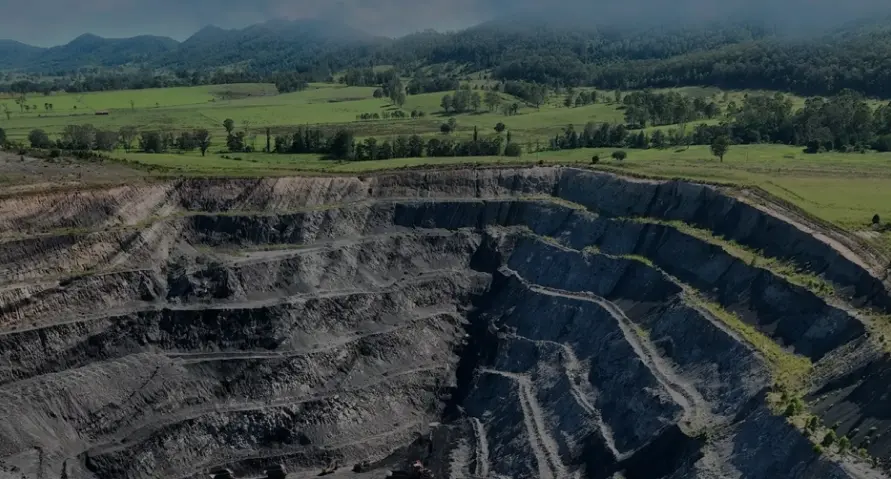
The industrial landscape of New South Wales (NSW), Australia, is undergoing a profound metamorphosis. In a landmark decision that signals the shifting tides of the global energy market, the NSW government has officially granted development approval for the $1.8 billion Stratford Pumped Hydro and Solar project. Situated on the grounds of a decommissioned coal mining complex 100 kilometers north of Newcastle, the project represents a blueprint for the "just transition"—the process of moving from carbon-intensive legacy industries to a sustainable, renewable future.
The project, spearheaded by Gloucester Coal Pty Ltd—a subsidiary of the mining giant Yancoal Australia Limited—envisages a combined capacity of 620 MW. By repurposing the scars of former coal extraction into a state-of-the-art energy storage facility, the project stands as a testament to industrial ingenuity and the urgent necessity of securing grid stability as the state moves away from coal-fired power.
The Core Facts: A Dual-Technology Approach
The Stratford Pumped Hydro and Solar project is not merely a replacement for fossil fuels; it is an integrated energy solution designed to stabilize the New South Wales grid. The proposal consists of two primary, symbiotic components:
- The Pumped Hydro Power Station: The heart of the facility is a 300 MW pumped hydro plant. Unlike battery storage, which often struggles with long-duration discharge, this facility will feature 12 hours of energy storage capacity. It will function by cycling water between a new upper reservoir and an existing dam on the site, utilizing a tunnel system to facilitate the movement.
- The Solar Farm: Complementing the hydro component is a 320 MW solar array. This farm will provide the essential "fuel" for the hydro system; during peak daylight hours, surplus electricity generated by the solar panels will be used to pump water to the upper reservoir, effectively "storing" the sun’s energy in the form of gravitational potential energy.
The location is uniquely suited for this purpose. Because the site is a former mine, it already possesses the necessary topography and deep voids required for large-scale reservoirs. Furthermore, the site already has established access to electricity transmission infrastructure and is strategically positioned near major demand centers. Crucially, the site already holds significant water reserves, meaning the project will not require the diversion of natural water sources from the surrounding Gloucester Valley, a key factor in securing environmental and community support.
Chronology of a Transition: The Path to Approval
The trajectory of the Stratford project is a reflection of the rapid acceleration of Australia’s renewable energy policy.
- 2024: The End of an Era: The Stratford Mining Complex officially ceased coal extraction, marking the end of its life as a fossil fuel provider. This closure triggered the search for a productive "second life" for the land.
- June 2024: CSSI Designation: Recognizing the project’s vital role in regional economic growth and energy security, the NSW government declared the proposal "Critical State Significant Infrastructure" (CSSI). This designation fast-tracked the assessment process, underscoring the state’s desperation for firming capacity.
- July 2026 (Approval Date): After extensive environmental and technical reviews, the NSW government granted final planning approval. This represents the first pumped hydro project to receive such authorization in the state in six years, breaking a long period of stagnation for large-scale hydro development.
- Post-Approval Phase: As of now, the project has entered the commercial viability assessment phase. Yancoal is currently evaluating funding models, potential partnerships, and ownership structures before making a final investment decision (FID).
Supporting Data: Why Stratford Matters
To understand the scale of the Stratford project, one must look at the broader metrics of the NSW Electricity Infrastructure Roadmap. The state is currently undergoing a massive overhaul of its energy mix, with over 57 renewable projects—encompassing storage, wind, solar, and hydro—currently under assessment.
The Role of Firming Energy
As coal plants across Australia approach their retirement dates, the grid faces a "firming" crisis. Variable energy sources like wind and solar are abundant, but they are intermittent. The Stratford project acts as a shock absorber. By releasing stored energy during peak evening hours—when the sun has set and demand is highest—the 300 MW hydro station will provide a reliable, dispatchable power source.
Current projections estimate that the Stratford facility will deliver approximately 13% of NSW’s 2034 long-duration storage target. This is a significant contribution from a single site, reinforcing its status as a cornerstone of the state’s energy transition.
The Pipeline of Progress
The state’s ambition does not end with Stratford. There are currently 107 additional projects in the planning pipeline, ranging from smaller-scale battery storage to large-scale wind farms. If the current portfolio of 57 projects under assessment reaches completion, they could collectively generate 12.9 GW of power—enough to supply electricity to approximately 6.68 million homes.
Official Responses and Strategic Implications
The approval has been met with optimism from government officials who view the project as a vital economic engine for the Hunter region.
Minister for Planning and Public Spaces Paul Scully framed the approval as a landmark moment for the region’s workforce: "This is a sign of our commitment to a clean energy future and the beginnings of an evolution of jobs and energy generation in the Hunter to power homes and businesses. Projects like Stratford Pumped Hydro also show how we can make the most of former mining sites and create new jobs and industry which will help to drive the region’s economic growth for decades to come."
The "Just Transition" and Economic Resilience
For the Hunter region, which has historically relied on coal mining as its economic heartbeat, the Stratford project offers a bridge to the future. It demonstrates that the skills utilized in traditional mining—geological engineering, water management, and site infrastructure—are highly transferable to the renewable energy sector. By converting a brownfield site, the project avoids the ecological damage often associated with "greenfield" developments, making it a model for sustainable industrial rehabilitation.
Challenges and the Road Ahead
While the planning approval is a massive milestone, Yancoal has been clear that the project is not a guaranteed certainty. The company remains in a rigorous assessment phase. The transition from a mining-led operation to a renewable energy utility requires a fundamental shift in corporate strategy and risk management.
Key hurdles that remain include:
- Commercial Viability: The global cost of capital and the volatility of energy markets require Yancoal to ensure that the project will yield a return on the $1.8 billion investment.
- Board Approval: The project requires final approval from the Yancoal Board, which will weigh the project’s internal rate of return against other global investment opportunities.
- Infrastructure Integration: While the site has transmission access, upgrading that infrastructure to handle the bidirectional flow of energy at a utility scale will require ongoing coordination with state grid operators.
Despite these challenges, the climate for such projects has never been more favorable. With the Australian federal and state governments providing policy certainty through the Electricity Infrastructure Roadmap, the economic incentives for battery and pumped hydro storage are at an all-time high.
Conclusion: A New Horizon for the Hunter
The Stratford Pumped Hydro and Solar project is more than just an energy site; it is a symbol of the changing Australian landscape. It acknowledges that while coal built the foundations of the regional economy, the future must be built on the back of renewables.
By integrating 320 MW of solar power with 300 MW of long-duration hydro storage, the project provides a comprehensive answer to the challenge of grid instability. As the state moves toward its 2034 targets, the success of Stratford will likely serve as the litmus test for other mining-to-energy conversions across the country. If Yancoal and the NSW government can successfully navigate the final hurdles of commercialization, the Stratford Mining Complex will continue to power New South Wales—not by digging into the earth, but by harnessing the sun and the power of water.
This is the new era of energy: a transition that respects the industrial history of the land while aggressively pursuing the decarbonization necessary for the next century. Whether it becomes the flagship project of the decade remains to be seen, but the approval itself confirms that the era of transition is no longer just a policy goal—it is a tangible, multi-billion-dollar reality.