

Beyond the Surface: Mitigating Hidden Reliability Risks in Automated Inspection Systems

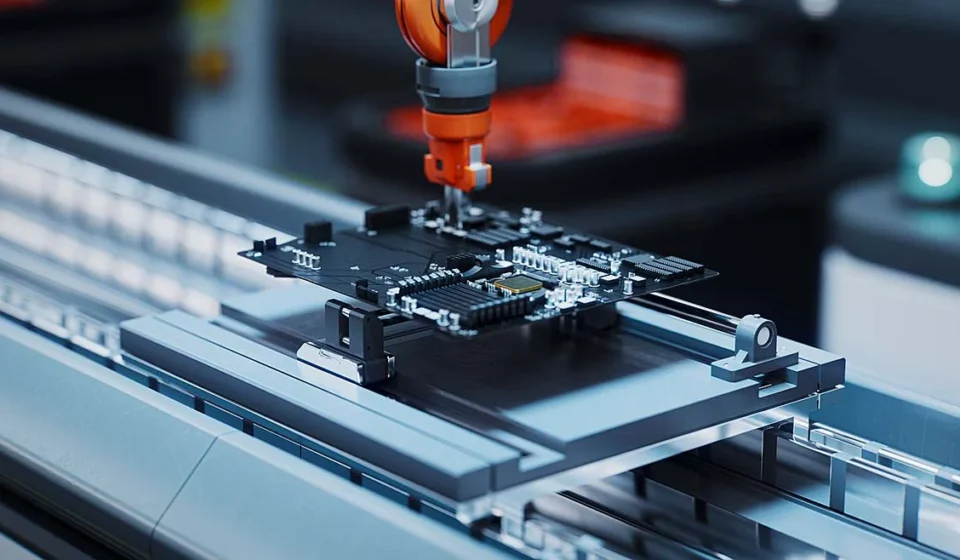
The modern manufacturing landscape has been fundamentally reshaped by the integration of automated inspection systems. By replacing fallible manual processes with high-speed, machine-vision-driven diagnostics, industries—particularly pharmaceuticals, electronics, and automotive—have seen marked improvements in throughput, defect detection, and product consistency. However, a paradox has emerged: as systems become more complex, the "black box" nature of these technologies often masks underlying reliability risks that, if ignored, can lead to catastrophic operational failure.
While the industry focus remains largely on optimizing algorithms and increasing processing speeds, a growing body of evidence suggests that the most critical vulnerabilities are not in the software, but in the operational environment, maintenance culture, and data architecture surrounding the equipment.
The State of Automated Inspection: Main Facts and Industry Context
Automated inspection systems (AIS) rely on a synergy of high-resolution sensors, lighting arrays, and complex algorithmic processing to ensure product quality. When functioning correctly, they offer near-perfect repeatability. However, the assumption that these systems operate in a vacuum of perfection is a dangerous fallacy.
Reliability in this context is defined as the probability that an inspection system will perform its required function under stated conditions for a specified period. The reality is that AIS reliability is a dynamic metric. It is influenced by physical environmental factors, the integrity of communication networks, the rigor of preventive maintenance (PM) programs, and the capability of the human workforce to interact with, rather than merely observe, the machinery.
Chronology of Systemic Degradation: A Hidden Lifecycle
The degradation of an automated inspection system is rarely an overnight event; it is a creeping phenomenon that follows a predictable, albeit often ignored, timeline:
- Phase I: Drift and Micro-Inconsistencies: The system begins to operate at the edge of its tolerances. Subtle changes in environmental lighting or minute shifts in sensor alignment begin to occur, often unnoticed by operators.
- Phase II: Data Siloing and Communication Lag: As production volumes increase, the communication network begins to experience latency. Data points—such as rejection logs or image captures—start to drop, creating gaps in the audit trail.
- Phase III: The "Normalization of Deviance": Personnel begin to view intermittent alarms or "false rejects" as part of the machine’s inherent personality rather than symptoms of failure.
- Phase IV: Operational Failure: The system experiences a hard breakdown, often resulting in significant downtime, wasted raw materials, and the potential for non-compliant product to reach the market.
Supporting Data: The Cost of Neglect
The financial and operational implications of failing to address these hidden risks are substantial. Industry benchmarks indicate that manufacturers who lack a formal, cross-functional maintenance strategy for their inspection assets suffer from 15% to 25% higher rates of unplanned downtime compared to those with integrated reliability programs.
Furthermore, in highly regulated sectors like pharmaceuticals, the cost of "false rejects"—products identified as defective by a faulty vision system—can reach millions of dollars annually in lost material and downstream processing time. Data integrity failures, meanwhile, represent a "hidden liability." When a system cannot provide a clear historical record of why a specific unit was rejected, the entire batch may be deemed non-compliant during a quality audit, leading to catastrophic regulatory consequences.
H2: Anatomy of Reliability Risks
To ensure long-term stability, stakeholders must deconstruct the primary failure modes that plague modern inspection environments.
Vision System Instability
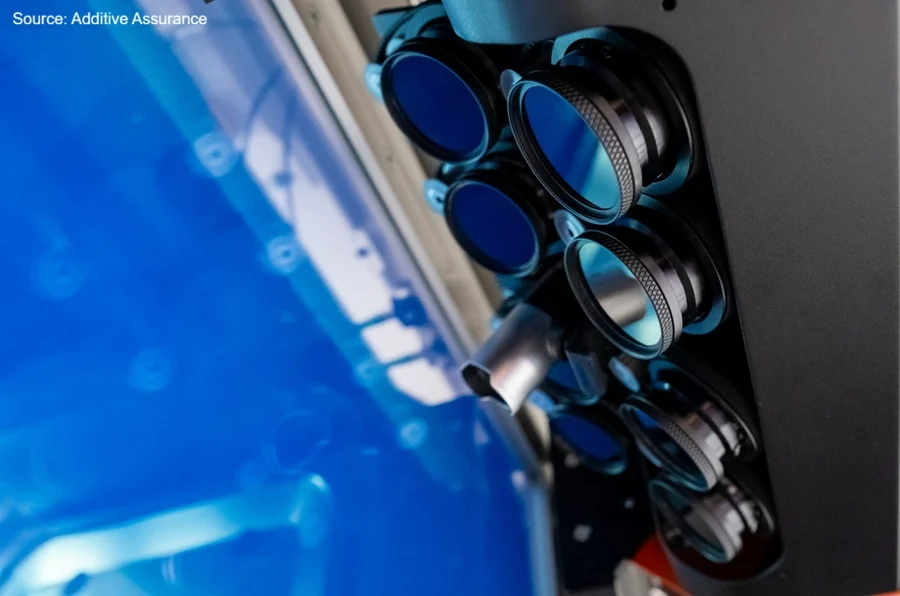
The "eyes" of the factory floor are fragile. Vision system instability often stems from environmental contaminants. Dust, vibration, and fluctuating ambient light can render even the most sophisticated deep-learning algorithms ineffective. Miscalibration, if not addressed through a strict, recurring validation schedule, creates a gradual decline in sensitivity.
Communication and System Integration Failures
Modern factories are hyper-connected, yet paradoxically prone to data silos. When inspection controllers fail to "speak" the same language as the Manufacturing Execution System (MES) or the Programmable Logic Controllers (PLCs), the result is a breakdown in traceability. High-volume data transmission can overwhelm older network infrastructure, leading to packet loss and incomplete batch documentation.
The Preventive Maintenance Gap
Inspection assets are frequently overlooked in PM schedules, which tend to prioritize high-torque machinery like conveyors or mixers. This is a critical error. An inspection system is a precision instrument, not a heavy-duty tool. When maintenance is reactive—only addressed when the system crashes—the cost of repair is amplified by the cost of production stoppage.
Data Integrity and Auditability
In the era of Industry 4.0, data is as valuable as the product itself. The inability to synchronize data between image analysis software and centralized management systems creates a compliance nightmare. Unauthorized parameter changes, unlogged operator interventions, and inconsistent recording formats leave a company vulnerable during regulatory audits.
H3: Strategic Mitigations for Sustained Reliability
To move from reactive troubleshooting to proactive reliability, organizations must adopt a holistic strategy.
- Environmental Hardening: Establish strict protocols for lens cleaning, enclosure integrity, and environmental monitoring. If the camera housing is not airtight, no amount of software optimization will prevent eventual failure.
- Segmented Communication Architecture: By segmenting networks based on traffic priority, manufacturers can prevent data congestion from affecting critical inspection feedback loops. Standardizing communication protocols across all PLCs and controllers ensures that data flows are consistent and error-free.
- Integrated Preventive Maintenance (IPM): Maintenance must be treated as a cross-functional discipline. Mechanical engineers, automation specialists, and software developers must collaborate to create "life-cycle maintenance" plans that go beyond simple cleaning.
- Centralized Data Governance: Implementing a "Single Source of Truth" for all inspection data is essential. Access controls, encrypted audit trails, and automated backups ensure that even in the event of a localized failure, the integrity of the quality record remains intact.
Implications: The Human Factor
The final, and perhaps most overlooked, pillar of reliability is the human element. Even the most advanced inspection system will fail if the workforce is not empowered to maintain it.
When operators lack the training to distinguish between a genuine process deviation and a systemic equipment drift, the result is a culture of dependency on third-party technicians. This slows response times and prevents the institutionalization of knowledge. Effective organizations are those that invest in cross-functional training, teaching production staff to recognize early warning signs of system degradation—such as "jittery" data, minor lighting fluctuations, or slow-to-respond HMI interfaces.
Conclusion: The Path Forward
The revolution in automated inspection has provided manufacturers with unprecedented control over quality, but this control is not self-sustaining. The reliability of these systems is a byproduct of meticulous planning, rigorous maintenance, and a robust data strategy.
As we look toward the future of manufacturing, the winners will not necessarily be those with the fastest cameras or the most complex AI models. The winners will be those who recognize that the most significant risks are the ones we stop looking for. By addressing the hidden factors—environment, communication, maintenance, and data integrity—manufacturers can transition from merely using automated inspection to mastering it, ensuring that every product leaving the line is as reliable as the systems that inspected it.