




California Issues Urgent Heat Safety Reminders as Triple-Digit Temperatures Sweep the State

By Chelsey Arries
Enriched and Expanded Reporting
As a relentless wave of extreme heat pushes temperatures well into the triple digits across large swaths of California, state regulators are issuing urgent reminders to employers. The California Division of Occupational Safety and Health (Cal/OSHA) has stepped up enforcement and outreach efforts, warning businesses that protecting workers from heat-related illnesses is not just a best practice—it is a strict legal requirement.
With climate patterns driving longer, more intense heatwaves earlier in the season and keeping temperatures elevated late into the autumn months, the state’s regulatory frameworks for both outdoor and indoor workers are facing their sternest tests. From the agricultural valleys of the Central Interior to the bustling warehouses of the Inland Empire and the commercial kitchens of urban centers, employers are being urged to immediately review and implement comprehensive heat illness prevention plans to safeguard their workforces.
Main Facts: Cal/OSHA’s Core Heat Safety Mandates
The state’s occupational safety rules are designed around progressive temperature thresholds that trigger specific, mandatory interventions. Understanding these thresholds is critical for business compliance and worker survival.

Outdoor Worksite Regulations
For employees laboring under the sun, Cal/OSHA mandates that proactive measures begin as soon as the ambient temperature at the worksite exceeds 80 degrees Fahrenheit. At this baseline, employers must adhere to foundational rules:
- Drinking Water: Employers must provide access to fresh, pure, and suitably cool drinking water, located as close as practicable to the workers. At least one quart per employee per hour must be supplied at the start of the shift, and replenishment must be readily available.
- Access to Shade: Shade must be present when temperatures exceed 80 degrees. The shade must be open to the air or provided with ventilation or cooling. It must accommodate enough employees to sit comfortably without touching one another, allowing them to recover from the heat.
- Cool-Down Rest Periods: Workers must be permitted and encouraged to take a preventive cool-down rest in the shade whenever they feel the need to do so to protect themselves from overheating. These breaks must be paid.
Indoor Worksite Regulations
California is one of the few states with a specific standard dedicated to indoor heat illness prevention. This standard applies to nearly all indoor workplaces—including manufacturing facilities, commercial kitchens, warehouses, and distribution centers—whenever the indoor temperature reaches or exceeds 82 degrees Fahrenheit (or when outdoor conditions combined with indoor operations create high heat stress).
Under the indoor standard, employers must implement engineering controls (such as air conditioning, fans, or insulation), management controls (like rotating shifts or limiting strenuous tasks), and provide access to cool drinking water and cool-down areas.
High-Heat Provisos (95 Degrees and Above)
When the mercury climbs to 95 degrees Fahrenheit or higher, a suite of enhanced requirements kicks in for specific high-risk industries, including agriculture, construction, landscaping, oil and gas extraction, and certain transportation and delivery operations.

In these extreme conditions, employers must:
- Active Monitoring: Closely monitor workers for early signs and symptoms of heat illness. This can be achieved through a buddy system, regular check-ins, or a designated safety supervisor.
- Effective Communication: Maintain reliable, two-way communication devices (such as cellular phones or radios) so that employees can contact a supervisor or emergency medical services immediately if needed.
- High-Heat Procedures: Closely observe employees during meal periods and mandate pre-shift safety meetings to review heat safety protocols, emergency response procedures, and acclimatization schedules.
Written Plans and Training
Regardless of the industry, any employer whose operations fall under these standards must maintain a detailed, written Heat Illness Prevention Plan (HIPP) tailored to their specific work environment. Furthermore, comprehensive training must be provided to both supervisors and non-supervisory employees before they begin work that should reasonably be anticipated to result in heat illness exposure. Training must cover topics ranging from personal risk factors and acclimatization to emergency response steps.
Chronology: The Evolution of Heat Safety Standards in California
To understand the robustness of California’s current heat safety landscape, it is helpful to trace how regulations have evolved over the past two decades in response to mounting climate pressures and labor advocacy.
- 2005 (Emergency Standards): Following a series of preventable heat-related fatalities among agricultural workers in the early 2000s, Cal/OSHA enacted emergency outdoor heat safety standards—making California the first state in the nation to mandate water, shade, and rest breaks for outdoor laborers.
- 2006 (Permanent Outdoor Rules): The emergency rules were formally codified into permanent California Code of Regulations (CCR) Title 8, Section 3395, setting a national benchmark for occupational heat safety.
- 2015 (Enhanced Enforcement): Cal/OSHA updated the outdoor standard to mandate closer monitoring during high-heat waves (95 degrees) and strengthened requirements for emergency response and acclimatization.
- July 2024 (Historic Indoor Heat Standard): Recognizing that indoor workers face equal—and sometimes greater—dangers from trapped heat and humidity, California officially adopted a groundbreaking indoor heat illness prevention standard. This standard filled a critical regulatory gap, extending legal protections to millions of indoor workers in warehouses, bakeries, factories, and retail stockrooms.
- Present Day (Triple-Digit Enforcement): As sustained, record-shattering heatwaves grip the state, Cal/OSHA has moved from educational rollouts to active enforcement, conducting unannounced inspections at high-risk agricultural, construction, and industrial sites.
Supporting Data: The Rising Toll of Occupational Heat Illness
The urgency behind Cal/OSHA’s reminders is rooted in stark epidemiological data and climate science. According to federal and state health statistics, heat remains one of the leading weather-related killers in the United States, and occupational settings amplify these risks dramatically.

Physical Strain and Productivity
Research compiled by the National Institute for Occupational Safety and Health (NIOSH) indicates that physical exertion combined with environmental heat causes core body temperatures to rise. When the body fails to cool itself through perspiration, workers can quickly transition from heat exhaustion (characterized by heavy sweating, weakness, dizziness, and nausea) to heat stroke—a medical emergency characterized by a body temperature above 103°F, confusion, loss of consciousness, and potential organ failure or death.
Vulnerable Sectors
- Agriculture and Construction: Historically, these sectors account for the highest volume of acute heat-related injuries and fatalities due to direct solar radiation and strenuous physical labor.
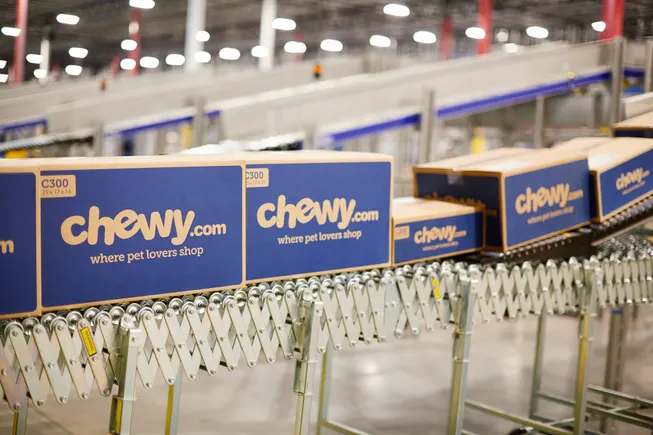
- Warehousing and Logistics: With the explosive growth of e-commerce, millions of workers now operate in massive distribution hubs, particularly in regions like the Inland Empire. Without adequate climate control systems, these cavernous metal buildings can act as ovens, trapping ambient heat and humidity.
- Restaurant and Hospitality: Commercial kitchens, bakeries, and laundries generate immense ambient heat from industrial equipment, frequently pushing indoor temperatures well past the 82-degree threshold even when outdoor weather is moderate.
Economic and Social Impacts Beyond Health
Beyond the profound human cost, occupational heat illness leads to significant economic friction. Studies published in economic journals suggest that extreme heat reduces overall labor productivity by slowing down physical tasks, increasing error rates, and necessitating more frequent rest intervals. Worker compensation claims, medical expenses, and potential OSHA citations impose substantial financial burdens on non-compliant businesses.
Official Responses: Regulators, Labor Advocates, and Industry Voices
The enforcement of heat safety standards frequently sparks dialogue among regulatory bodies, worker advocacy groups, and business associations balancing safety with operational realities.
Cal/OSHA Leadership
State regulators have maintained a zero-tolerance stance regarding blatant violations of heat safety rules. In recent statements, Cal/OSHA representatives have emphasized that heat illness is entirely preventable.

"When temperatures climb into the triple digits, employers must prioritize the lives and well-being of their workers above all else," a Cal/OSHA spokesperson noted. "Providing water, rest, and shade are not optional courtesies; they are mandatory lifesavers. Our inspectors are actively in the field to ensure that no worker is left unprotected."
Worker Advocacy and Labor Unions
Labor rights organizations have largely praised California’s comprehensive standards—particularly the inclusion of indoor workers—while continuing to push for rigorous, on-the-ground enforcement. Representatives from agricultural worker unions point out that despite clear rules, enforcement can lag in remote fields or among subcontracted labor forces where vulnerable workers may fear retaliation if they request water or shade. Advocates urge workers to know their rights and utilize anonymous reporting channels if employers fail to comply.
Business and Industry Associations
On the employer side, industry groups generally acknowledge the necessity of worker safety, though compliance can present logistical hurdles.
- Agricultural associations note that managing mandatory shade structures and tracking hydration in sprawling, mobile harvesting crews requires constant administrative vigilance.
- Manufacturing and warehousing representatives highlight the capital expenditures required to retrofit older facilities with industrial ventilation, spot-cooling systems, or air conditioning to meet the 82-degree indoor threshold. Many business groups emphasize the importance of educational resources and grace periods for initial compliance, even as they ramp up internal training programs to protect their human capital.
Implications: What Employers Must Do Now
As climate projections indicate that extreme heat events will continue to increase in frequency and severity, California employers must view heat safety not as a seasonal burden, but as a permanent operational priority.

Failing to comply with Cal/OSHA standards carries severe consequences. Employers caught violating heat illness prevention rules face substantial financial penalties, increased insurance premiums, potential worker compensation litigation, and reputational damage. More importantly, non-compliance puts human lives directly at risk.
Actionable Checklist for Compliance
To navigate these hazardous weather conditions successfully, safety managers, human resources professionals, and business owners should take the following immediate steps:
- Audit the HIPP: Review and update the written Heat Illness Prevention Plan to ensure it reflects current site layouts, contact numbers for emergency medical services, and specific responsibilities for supervisors.
- Inspect Hydration and Shade Infrastructure: Verify that fresh, cool water is abundant and easily accessible across all worksites. Ensure that shade structures are set up, structurally sound, and capable of accommodating resting workers before shifts begin.
- Calibrate Indoor Controls: For indoor facilities, test and maintain ventilation systems, spot-coolers, and fans. Monitor indoor temperatures continuously using accurate thermometers.
- Enforce Acclimatization Protocols: Ensure that new employees or workers returning from extended absences are given a gradual 14-day acclimatization period, starting with shorter shifts in the heat and building up workload endurance.
- Conduct Refresher Training: Hold daily safety briefings (tailgate meetings) to remind workers of the signs and symptoms of heat stress, emergency protocols, and their right to request cool-down rest periods without fear of retaliation.
By taking these decisive actions, California businesses can protect their most valuable asset—their workforce—while maintaining full compliance with some of the most advanced occupational safety standards in the nation.