



Defending the Grid: Mitigating Severe Offline Corrosion Risks in Industrial Boiler and Condensate Systems

By Brad Buecker, Senior Technical Consultant, SAMCO Technologies
Published September 10, 2026
Executive Summary & Main Facts
Industrial steam generators, heat recovery steam generators (HRSGs), and their associated auxiliary equipment represent multi-million-dollar capital investments designed for decades of heavy service. Yet, one of the most destructive threats to these systems does not happen when they are roaring at full capacity under intense heat and pressure. Instead, the most severe, rapid, and catastrophic degradation frequently occurs during periods of boiler downtime.
When industrial units are taken offline—whether for scheduled maintenance, seasonal load shifts, or load-following operations to accommodate intermittent renewable energy sources—the water within the internal circuits contracts. This volumetric reduction induces a subtle yet powerful internal vacuum, actively drawing outside air into the system. The introduction of oxygen into stagnant or partially drained vessels creates an immediate, highly reactive environment.
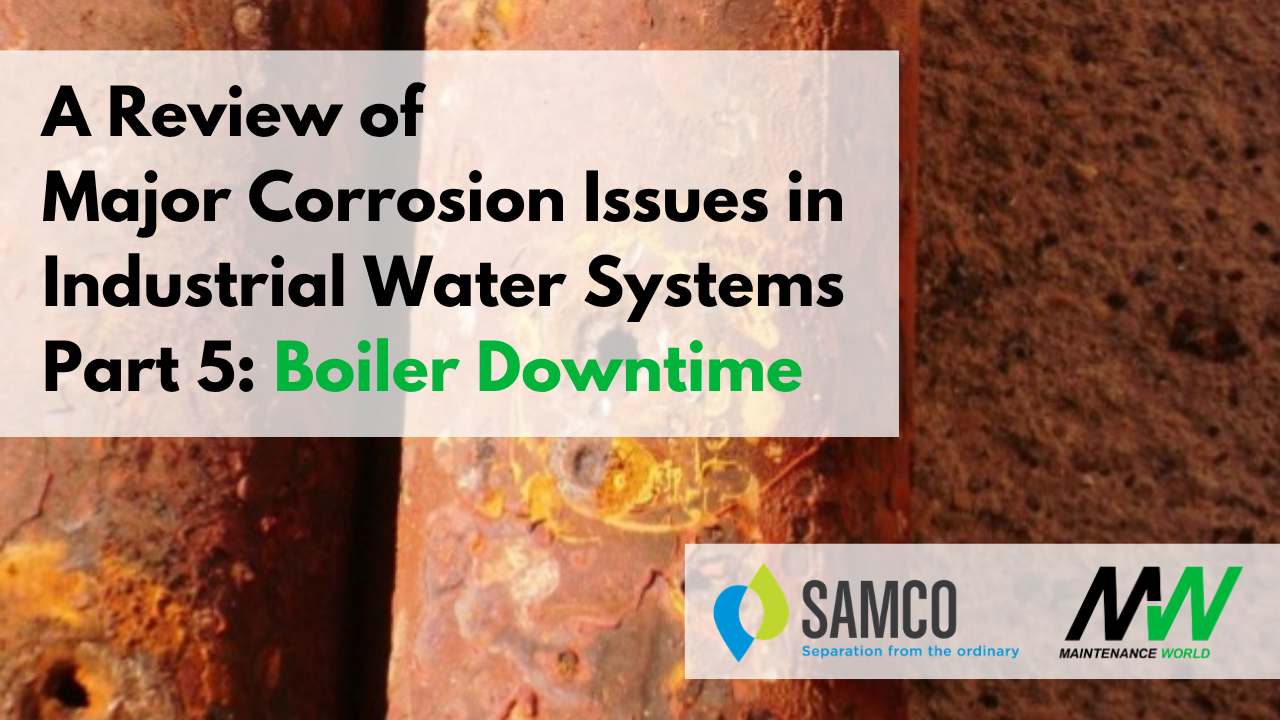
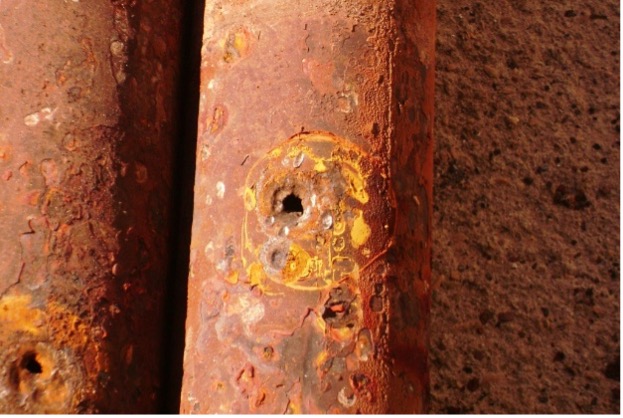
Without robust, scientifically engineered preservation protocols, unprotected carbon steel and alloy components fall victim to aggressive localized pitting and oxygen corrosion. Left unchecked, this offline degradation can cause through-wall tube penetrations in remarkably short timeframes. Furthermore, the resulting corrosion byproducts flake off, travel through the system, and precipitate onto critical waterwall tubes upon startup. This secondary fouling severely impedes heat transfer, triggers localized tube overheating, and establishes destructive under-deposit corrosion cells.
To combat this, industrial facilities are increasingly moving away from legacy nitrogen-blanketing and traditional wet-layup methods, embracing advanced chemistry solutions such as Vapor Phase Corrosion Inhibitors (VpCIs). These modern compounds provide comprehensive, multi-phase protection that secures both submerged and dry metal surfaces against the invisible threat of air in-leakage.
Chronology and Industry Evolution: From Baseload to Load-Following
Understanding the current landscape of boiler preservation requires a historical look at how power generation and industrial processing plants have evolved over the past four decades.
The Era of Baseload Operation (1980s–1990s)
When modern industrial chemistry practices were largely codified in the early 1980s, baseload operation was the industry standard. Large utility and industrial boilers ran continuously for months at a time, punctuated by a predictable, month-long annual outage during the early spring for comprehensive maintenance and overhauls.
During these scheduled outages, boilers were systematically drained. To mitigate corrosion during cooling, standard procedures dictated that operators drain the boiler when internal pressure had decayed to approximately 25 psig. At this pressure, the water temperature sits at roughly 267°F (130°C), a thermal state that successfully induces flash drying across the internal circuits, flashing residual moisture off the metal surfaces. Auxiliary equipment—including deaerators, feedwater heaters, and condenser hotwells—was drained simultaneously to leverage residual thermal energy for natural drying.
As an additional safeguard, plant chemistry guidelines often suggested applying a continuous nitrogen blanket to the boiler and auxiliary equipment once draining commenced. The goal was to blanket all internal metallic surfaces with an inert, non-reactive atmosphere. However, nitrogen blanketing never achieved universal popularity. The practice carried significant capital expenditures for specialized gas generation or storage equipment and introduced severe safety hazards regarding asphyxiation risks within confined spaces.
The Modern Renewable Integration Era
The operational paradigm has shifted dramatically. Today, the rapid expansion of renewable energy sources—specifically wind and solar generation—requires traditional thermal and combined-cycle plants to operate in a volatile load-following mode.
Combined-cycle plants equipped with HRSGs are frequently cycled on and off, or ramped down overnight, only to be brought back to full load rapidly to compensate for sudden drops in renewable output. These short-duration outages mean boilers cannot undergo lengthy thermal drain cycles. Instead, HRSGs must often remain filled with water ("wet") so they can be fired up on short notice.
To manage this complex operational reality, modern plants have integrated sophisticated equipment modifications, including automated chemical feed skids, enhanced sample points, and closed-loop circulation systems to continuously manage oxygen levels during idle periods. Despite these engineering controls, the fundamental risk of air in-leakage during shutdowns remains a pervasive threat.

Supporting Data and Technical Analysis: The Mechanics of Offline Corrosion
To fully appreciate the danger of offline corrosion, one must examine the fundamental electro-chemical reactions that occur when oxygen encounters unprotected metal surfaces in aqueous environments.
The Danger of Air In-Leakage
When a steam generator cools down, the contraction of water volume creates a partial vacuum. If vents, valves, or vacuum breakers are unsealed—or if minute leaks exist in the casing or piping—ambient air is drawn directly into the system. This introduces dissolved oxygen into any remaining pools of standing water or onto damp internal surfaces.
[System Shutdown] ➔ [Volume Contraction] ➔ [Internal Vacuum Induced] ➔ [Ambient Air In-Leakage] ➔ [Oxygen Saturation & Pitting]At the air-water interface, oxygen concentration cells form rapidly. Carbon steel, which forms the structural backbone of most boiler waterwalls and piping, is highly vulnerable to this type of attack. The resulting corrosion is rarely uniform; rather, it manifests as deep, localized pitting that can breach tube walls from the inside out within weeks—or even days—of improper layup.
Comparative Preservation Methodologies
| Layup Method | Primary Mechanism | Advantages | Disadvantages & Risks |
|---|---|---|---|
| Drained & Dry | Thermal flash-drying / air removal | Good for long-term outages; prevents standing water. | Requires flawless drying; highly vulnerable to flash rusting if humidity is present. |
| Nitrogen Blanketing | Displaces oxygen with an inert gas atmosphere | Keeps oxygen away from dry or partially drained metal. | Suffocation/asphyxiation hazard in confined spaces; prone to failure if nitrogen supply is interrupted. |
| Traditional Wet Layup | pH elevation + high-dose oxygen scavengers | Keeps unit instantly ready for rapid startup. | Scavengers can deplete over time; stagnant pockets lose chemical protection, leading to localized attack. |
| Vapor Phase Corrosion Inhibitors (VpCIs) | Molecular adsorption via volatile vapor migration | Protects wet and dry surfaces simultaneously; reaches remote geometries; non-hazardous wash-out. | Requires initial verification of metallurgy and compatibility with operational chemicals. |
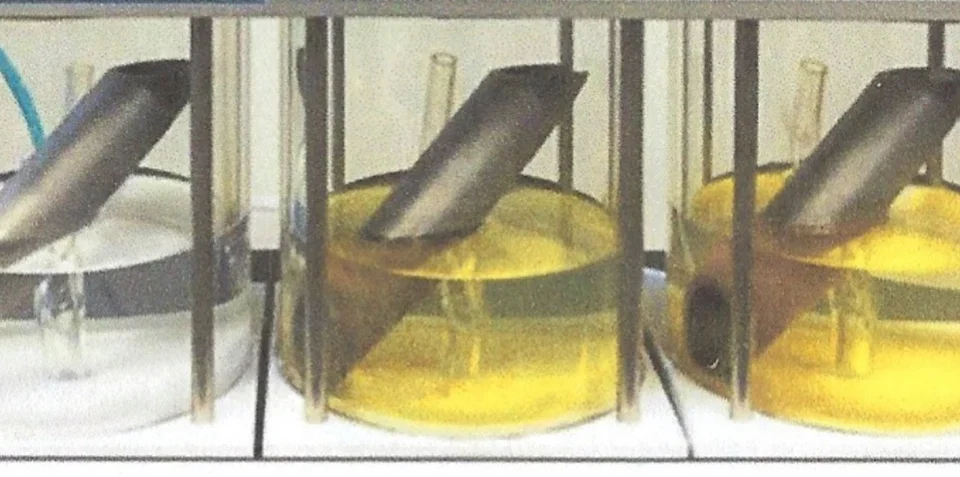
As illustrated by comparative testing of black iron pipe samples submerged in various aqueous environments (featuring VpCI solutions, 98% nitrogen atmospheres, and ambient air), even high-purity nitrogen blankets (98% concentration) can leave enough residual oxygen to initiate noticeable corrosion cells if minor air infiltration occurs. Traditional wet layups, meanwhile, require precise monitoring of chemical residuals. If oxygen scavengers deplete during an extended outage, the water transitions from a protective environment to a corrosive electrolyte.

Official Recommendations and Modern Innovations: Vapor Phase Corrosion Inhibitors (VpCIs)
For decades, the standard playbook for intermediate- to long-term wet layup involved manually adjusting system pH and injecting high concentrations of chemical reducing agents (oxygen scavengers) just prior to shutdown. While functional, these methods demand constant monitoring and carry inherent chemical handling risks.
Entering the mainstream of industrial water treatment is a more modern, highly effective technology: Vapor Phase Corrosion Inhibitors (VpCIs or VCIs).
Echoing the foundational philosophy of late cooling-water expert Paul Puckorius—who stressed that the ultimate goal of any chemical treatment program is to actively protect metal surfaces—VpCIs represent a paradigm shift in corrosion control.
How VpCIs Function
Unlike desiccants or nitrogen blanketing, which rely entirely on removing a corrosive element (moisture or oxygen), VpCIs actively intervene in the electrochemical reaction. VpCI compounds release volatile molecules that volatilize, diffuse throughout the entire complex geometry of a boiler enclosure, and adsorb onto metal surfaces.
This adsorption process forms a microscopic, highly stable molecular protective layer over the metal. Because the inhibition occurs via vapor-phase migration, these molecules easily reach remote, complex geometries—such as tight crevices, superheater tube bends, and internal header corners—where liquid chemical application or mechanical coatings are physically impossible.
Furthermore, VpCIs are exceptionally versatile because they operate effectively across multiple phases. They protect metal surfaces located both below the water level (in wet layup applications) and above the water line in vapor spaces, neutralizing the historically vulnerable air-water interface zone.
Broad-Spectrum Protection and Ease of Startup
Early iterations of vapor-inhibiting compounds were largely restricted to safeguarding carbon steel. However, modern chemical engineering has yielded advanced VpCI formulations capable of protecting a wide variety of industrial metallurgy, including:
- Copper and copper-nickel alloys (common in condensers and heat exchangers)
- Stainless steels and exotic high-temperature alloys
- Aluminum and galvanized components
- Multi-metal systems operating under complex environmental parameters
A major operational benefit of VpCI technology is its impact on plant startup timelines. Unlike heavy chemical preservation treatments that require extensive, time-consuming draining, flushing, and waste disposal before a unit can be fired, VpCI compounds are generally safe, non-hazardous, and water-soluble. During the initial boiler ramping and startup phase, the residual compounds naturally wash out into the condensate or harmlessly escape as vapor, allowing plants to return to commercial operation safely and rapidly.

Operational Implications and Recommendations for Plant Personnel
The insidious nature of offline corrosion means that damage is often invisible until catastrophic failure occurs during subsequent high-pressure operation. Plant managers, lead engineers, and water treatment specialists must treat boiler layup not as an afterthought during plant shutdowns, but as a critical operational phase requiring the same rigor as full-load generation.
Key Actionable Takeaways for Facility Teams:
- Match Layup to Outage Duration: Clearly define whether an outage is short-term (overnight or weekend) or long-term (weeks or months). Select preservation strategies—such as pressurized wet layup with VpCIs versus dry nitrogen storage—accordingly.
- Eliminate Air In-Leakage Vectors: Inspect all vacuum breakers, vent valves, and piping seals routinely. Preventative maintenance on closure valves is vital to stopping the internal vacuum-induced drafting of outside air.
- Avoid Stagnant Pockets: When draining boilers, ensure complete and effective thermal draining or apply chemical inhibitors immediately to prevent the formation of static, oxygen-saturated water puddles.
- Consult Technical Specialists: Because corrosion mechanisms vary widely based on metallurgy, operating pressure, feedwater quality, and cycling frequency, plant personnel should consult directly with experienced water treatment experts and chemical engineers (such as specialists at SAMCO Technologies) to design custom, site-specific layup protocols.
By proactively addressing offline corrosion through advanced chemistry—such as Vapor Phase Corrosion Inhibitors—industrial facilities can drastically extend the operational lifespan of their steam generators, minimize costly unscheduled downtime, and ensure reliable, safe energy production for years to come.
References
- Buecker, B., and [Colleague], Case Studies in Combined Cycle Heat Recovery Steam Generator Preservation, Power Industry Technical Publications.
- Industry Guidelines for Boiler Layup and Shutdown Maintenance, Electric Power Research Institute (EPRI) / ASME Consensus Guidelines.
- Technical Documentation on Vapor Phase Corrosion Inhibitors (VpCI/VCI) Performance in Closed-Loop and Steam Systems.
- Comparative Black Iron Pipe Corrosion Testing Data, Courtesy of Industrial Water Treatment and Metallurgy Research Groups.