

From Desktop Plotters to Smart Tech: A Four-Decade Evolution of Vibration Analysis

By PCA Consulting (A TRM Company)
Published: September 15, 2026
Main Facts: The Transformation of Industrial Reliability
Long before portable sensors, cloud-integrated dashboards, and real-time alerts became standard fixtures on the industrial plant floor, vibration analysis was a gritty, hands-on, and deeply specialized discipline. It was an era defined by physical labor, heavy equipment, and a reactive maintenance culture where machinery was routinely run until it broke.
Today, the landscape of predictive maintenance looks fundamentally different. Modern smart sensors capture continuous real-time data, feeding advanced analytics engines that can spot micro-fissures, bearing wear, and structural imbalances weeks or even months before catastrophic failure occurs.
At the center of this evolution is Stan Moore, a Senior Maintenance and Reliability Consultant at PCA Consulting. With a career spanning over four decades across the petrochemical, aerospace, and pharmaceutical manufacturing sectors, Moore has not merely observed the transformation of vibration analysis—he has lived it. As a Certified Maintenance & Reliability Professional (CMRP) and a long-standing leader within the Society for Maintenance and Reliability Professionals (SMRP), Moore offers a rare historical perspective on how predictive maintenance transitioned from an elite, high-stakes luxury into an accessible, plant-wide operational strategy.

Chronology: A Journey Through Four Decades of Predictive Maintenance
To understand how far condition monitoring has advanced, one must look back at the technological and operational milestones that shaped the industry over the last forty years.
The Era of Titans: Early Career and High-Stakes Engineering
Stan Moore’s entry into the field of vibration analysis began with machinery of monumental proportions. Early in his career, he had the rare opportunity to work on some of the largest, most complex mechanical assets in the United States.
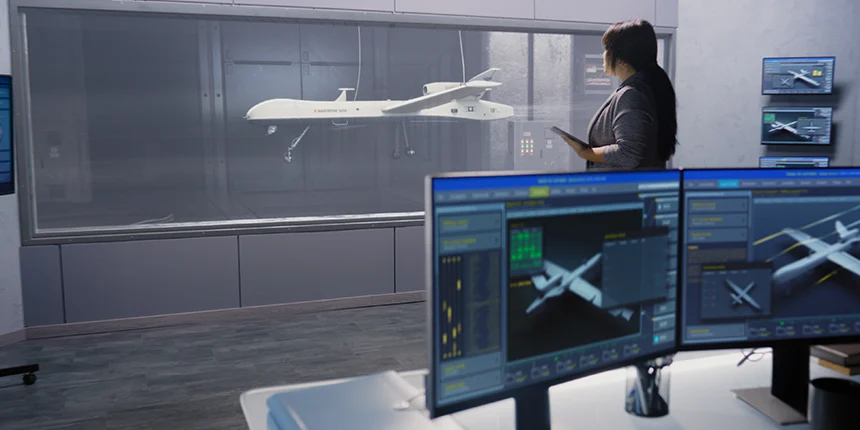
Among these was a staggering 32-foot-diameter axial flow compressor housed within a massive wind tunnel at a U.S. Air Force base. The machine was so immense that Moore could literally walk upright through its first three stages. Operating at unprecedented scales, this equipment represented the cutting edge of industrial engineering—and the extreme challenges of early predictive maintenance.
"Back then, we only monitored the most critical assets and components," Moore recalls. "Vibration analysis was considered a tool for the elite few in aerospace and high-stakes defense projects."
Because the technology was resource-intensive and restricted, the vast majority of industrial assets—including smaller pumps, secondary motors, and balance-of-plant equipment—were completely unmonitored. They were run to failure simply because the cost of installing permanent monitoring infrastructure outweighed the perceived risk.
The Desktop Analyzer Era: Physical Labor and Raw Math
In the early days of vibration data collection, the daily routine of a reliability technician bore little resemblance to modern workflows. Moore estimates that roughly 80% of his working time was spent physically moving around the plant floor, wrestling with desktop-sized spectrum analyzers and X-Y plotters.
Technicians had to manually connect these bulky instruments to permanently mounted proximity probes to extract raw vibration data. Only the remaining 20% of the technician’s time was dedicated to actual data analysis and interpretation.
This era relied heavily on pioneers who bridged the gap between theoretical mathematics and practical engineering. "Early in my career, I had the privilege of working with innovators from Texas A&M and the Vibration Institute," Moore notes. "These were the pioneers who took raw math and made it meaningful."
The Digital Revolution and the Rise of Compact Sensors
As computing power expanded and micro-electronics advanced, the industry experienced a seismic shift. Bulky spectrum analyzers gave way to portable data collectors, drastically cutting down the time required to capture field measurements.
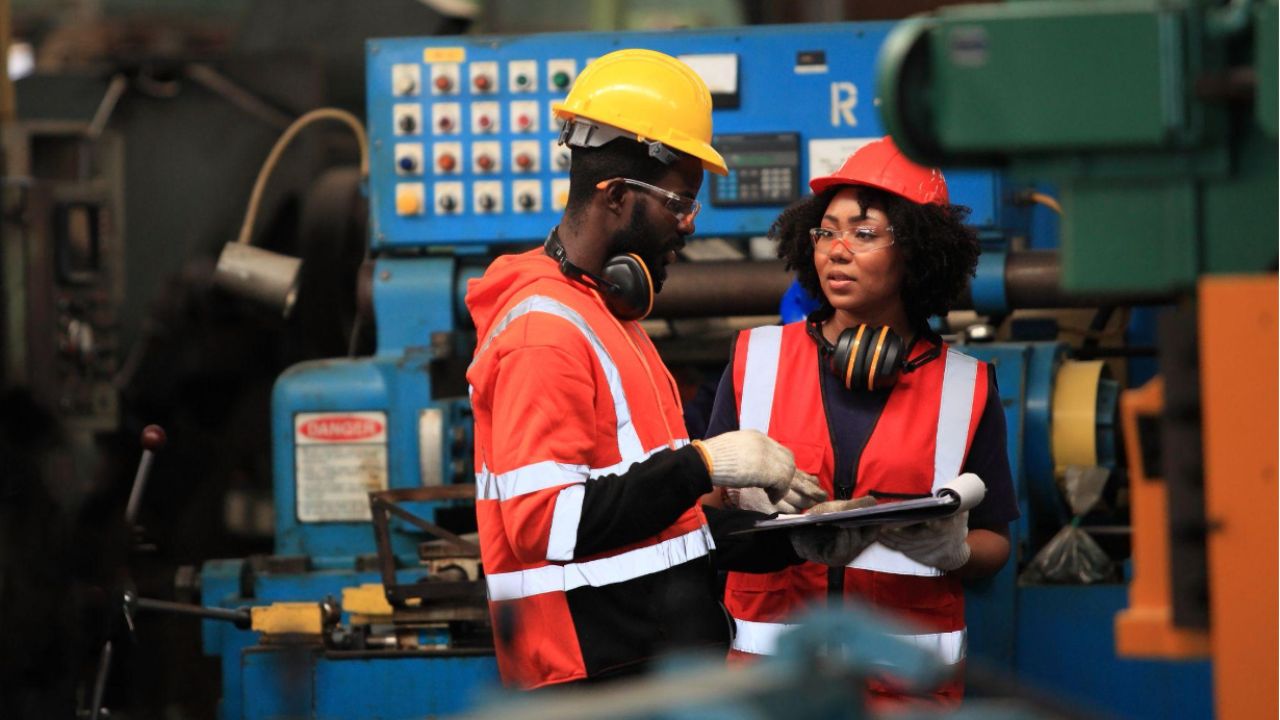
Eventually, the paradigm shifted entirely with the advent of compact, wireless smart sensors. Today’s technicians no longer need to haul heavy diagnostic equipment across sprawling industrial complexes. Instead, they walk the plant floor with pocket-sized, black-box devices capable of collecting, processing, and analyzing complex vibration signatures in real time.
Crucially, this technological miniaturization shattered the financial barriers of condition monitoring. Balance-of-plant equipment—once ignored due to prohibitive wiring and installation costs—can now be monitored as rigorously as primary mission-critical assets.
Supporting Data: The Economics and Mechanics of Modern Condition Monitoring
The transition from reactive maintenance to advanced condition monitoring has fundamentally rewritten plant economics, asset availability, and failure management frameworks.
The P-F Curve and Early Detection
The primary advantage of modern vibration analysis lies in its alignment with the P-F curve (Potential Failure to Functional Failure curve). In legacy manufacturing environments, maintenance teams operated reactively, intervening only when an asset reached functional failure ($F$). This approach frequently triggered collateral damage, secondary component destruction, and costly emergency downtime.
With modern, real-time vibration monitoring, sensors detect the earliest micro-vibrations associated with component degradation at point $P$ (Potential Failure). By catching anomalies at the earliest stage of the failure cycle, plant operators gain an extended window for proactive planning.
Maintenance managers can schedule repairs during planned outages, order replacement parts well in advance, and prevent secondary damage to surrounding mechanical assemblies.
Democratizing Balance-of-Plant Monitoring
Historically, permanent transducers required expensive cabling, complex integration into distributed control systems (DCS), and intensive calibration. Consequently, organizations rationed their monitoring budgets exclusively for massive turbines, primary compressors, and critical safety assets.
Modern wireless sensor technology has democratized this access. Small pumps, cooling fans, and auxiliary motors—equipment traditionally left to run until failure—are now continuously tracked.
As Moore points out, ignoring these smaller components is a costly mistake: "Even these balance-of-plant assets, when they fail, can negatively impact production. Being able to cost-effectively monitor them allows problems to be detected prior to functional failure, protecting the entire production stream."
Official Perspectives: Technology is a Tool, Not a Solution
While the hardware powering predictive maintenance has advanced exponentially, industry veterans emphasize that technology alone cannot guarantee asset reliability.
The Human Element: Interpretation Requires Expertise
A recurring theme in modern industrial engineering is the distinction between having access to data and possessing the capability to interpret it. Modern sensors can effortlessly stream gigabytes of vibration data to cloud platforms, but raw data is inert without human expertise.

"We need people who can interpret the data," stresses Moore. "The technician performing the analysis has to understand what a peak at a certain frequency means. That takes training and experience."
As automated diagnostic tools become more prevalent, there is a risk that organizations may view vibration analysis as a plug-and-play solution. Industry leaders caution that software algorithms can flag anomalies, but diagnosing the root cause—whether it is misalignment, unbalance, gear mesh issues, or electrical interference—requires rigorous analytical training and deep mechanical intuition.
Overcoming Automated Confusion: From Data-Rich to Insight-Poor
Modern industrial plants face a new operational paradox: they are overwhelmingly data-rich yet insight-poor. Facilities are saturated with real-time metrics, vibration spectra, and automated alerts, but many organizations lack the internal processes required to translate this deluge of information into decisive maintenance actions.
If an organization deploys advanced sensors without establishing clear internal workflows, accountability, and training programs, the technology merely generates "automated confusion."

"Today, the challenge with vibration technology is more about having the work processes in place to get access to the equipment and make repairs before a breakdown occurs," Moore explains. The objective of modern reliability engineering is not merely to collect data for its own sake, but to streamline maintenance activities so that engineering teams can focus their efforts efficiently and effectively.
Implications: The Future of Industrial Reliability and Asset Management
The four-decade evolution of vibration analysis—from massive wind tunnel compressors monitored by desktop plotters to wireless smart sensors feeding cloud-based dashboards—carries profound implications for the manufacturing, energy, and processing sectors.
1. Shift Toward Autonomous Reliability
As artificial intelligence and machine learning become increasingly integrated into vibration analysis software, the industry is moving toward automated anomaly detection. While human expertise remains indispensable for root-cause analysis, routine screening is becoming increasingly autonomous. This allows reliability engineers to shift their focus from data collection to strategic asset management and lifecycle optimization.
2. Integration of Process and Condition Data
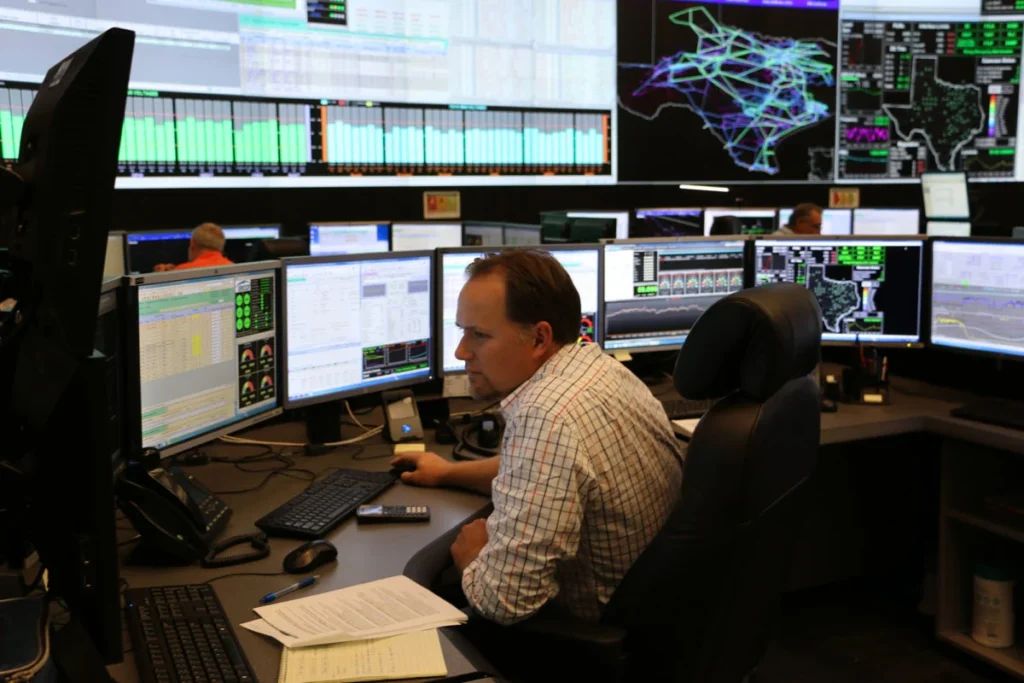
Forward-thinking facilities are increasingly tearing down the operational silos between process control and asset condition monitoring. By integrating vibration data directly into Human-Machine Interfaces (HMIs) and Distributed Control Systems (DCS), plant operators can view machine health metrics alongside operational loads and temperatures in real time. This unified visibility ensures that asset health receives the same immediate attention as process parameters.

3. Investment in Human Capital
Ultimately, the future of predictive maintenance depends on workforce development. As hardware becomes more affordable and user-friendly, the true competitive differentiator for industrial enterprises will be the analytical competency of their personnel. Organizations that invest heavily in continuous training, SMRP certifications, and robust maintenance workflows will successfully bridge the gap between technological capability and operational excellence.
Related Industry Insights
To dive deeper into the strategies and mechanics of industrial maintenance, explore these related technical resources from Maintenance World:
- Why Condition-Based Maintenance Should Be Considered a Critical Component of Any Business’s Asset Maintenance Strategy – An exploration of how CBM reduces operational expenditure and protects core business profitability.
- Common Mechanisms of Failure & Preventive Methods – A detailed technical guide explaining component failure modes and non-intrusive monitoring techniques.
- Bearing Life: Condition Monitoring, Care, and Cleanliness – Practical steps combining shock pulse monitoring (SPM), vibration analysis, and contamination control to maximize bearing longevity.
- Corrosion Protection through pH Stabilization – Examining advanced corrosion prevention strategies for remote, heavy-duty, and hard-to-access industrial assets.
- Understanding The Basics Of Balancing & Measuring Techniques – A comprehensive look at minimizing vibration, noise, and bearing wear through precision mechanical balancing.