




Hidden Dangers on the Job: Why Heat Illness Risks Extend Far Beyond the Hottest Days of Summer

By: Occupational Health and Safety News Desk
Published: September 2026
Main Facts: The Hidden Vulnerability of the Modern Workforce
When the mercury climbs and summer heat waves dominate local weather forecasts, public safety messaging invariably pivots toward outdoor safety. Employers, workers, and communities are routinely reminded to hydrate, seek shade, and limit strenuous activities during peak afternoon hours. However, a dangerous misconception persists across industries: that heat illness is exclusively a hazard of mid-summer, clear skies, and outdoor labor.
According to safety experts and occupational health data, some of the most critical risks associated with heat-related illnesses have very little to do with the peak temperature of the day. Instead, they are deeply linked to who is doing the work and how long they have been exposed to elevated thermal environments.
New employees, seasonal workers, and individuals returning to the job from a vacation, medical leave, or an extended absence face a disproportionately high risk of severe heat illness. This vulnerability exists because their bodies have not yet undergone—or have temporarily lost—the necessary physiological adaptations required to tolerate high temperatures efficiently.

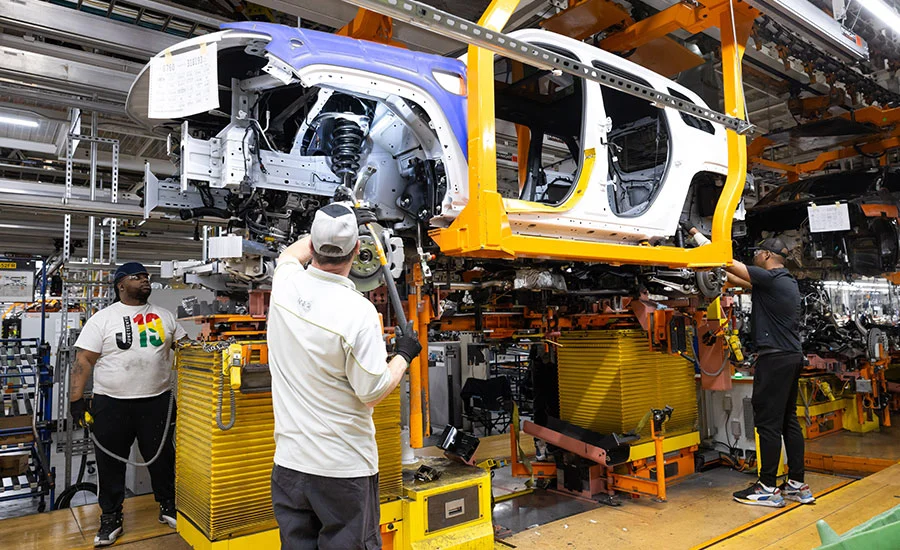
Compounding the issue is the pervasive myth that heat stress is strictly an outdoor, summertime phenomenon. In reality, thousands of workers in indoor industrial settings—ranging from commercial kitchens and foundries to manufacturing plants and glassworks—face dangerous thermal burdens regardless of the season. Combined with compounding factors like high humidity, radiant heat from machinery, and heavy personal protective equipment (PPE), heat illness remains a pervasive workplace threat. Crucially, however, safety professionals emphasize that occupational heat illness is almost entirely preventable through structured planning, gradual acclimatization, and proactive employer policies.
Chronology: Understanding the Physiological Timeline of Heat Acclimatization
To understand why new and returning workers are uniquely vulnerable to heat-related illnesses, one must examine the timeline of human physiological adaptation, known scientifically as heat acclimatization.
When an individual is suddenly exposed to hot working environments, their cardiovascular and thermoregulatory systems experience immediate stress. Without adequate preparation, the body struggles to maintain a safe internal core temperature, leading rapidly to heat exhaustion, heat stroke, or compounding workplace accidents.
Day 1 to Day 3: The Danger Zone
The highest-risk moment in any worker’s tenure occurs during their first shift, their first week on the job, or their first days back from time off. According to safety data, the human body does not instantly adapt to thermal stress. During the initial 24 to 72 hours of exposure, the cardiovascular system works overtime. Heart rates are elevated, blood flow to the skin is inefficient, and the body’s sweat response has not yet been optimized to cool the core effectively.

Day 4 to Day 7: The Beginning of Adaptation
As repeated, controlled exposures to heat continue over the first week, the human body begins a remarkable series of physiological adjustments. Blood plasma volume increases, which improves cardiac output and ensures that enough blood reaches both the muscles and the skin for cooling. Sweat production becomes more efficient—starting sooner and containing lower concentrations of vital electrolytes, reducing the risk of cramping and dehydration.
Day 14 and Beyond: Full Acclimatization
Complete physiological adaptation typically takes between 10 and 14 days of gradual, progressive exposure. By the end of this two-week window, a fully acclimatized worker can perform physical labor in the heat with a lower core body temperature, a reduced heart rate, and significantly greater endurance than on their first day.
Unfortunately, many operational schedules do not account for this two-week timeline. Pressurized by production demands or labor shortages, employers frequently throw new hires or returning personnel straight into full shifts under harsh conditions, inadvertently bypassing the crucial safety buffer that gradual acclimatization provides.
Supporting Data: The Numbers Behind Occupational Heat Stress
The statistics surrounding workplace heat stress paint a sobering picture of how rapidly unacclimatized workers can be compromised. Regulatory bodies and risk management organizations have tracked these trends for decades, consistently pointing to the opening days of employment as the most perilous window.

- The First-Week Vulnerability: Data compiled by the Occupational Safety and Health Administration (OSHA) reveals that more than 70% of all outdoor heat-related worker fatalities occur during a worker’s first week on the job. This staggering statistic highlights that lack of acclimatization is often a more lethal factor than extreme weather alone.
- The First-Day Spike: Within that initial week, a significant percentage of heat-related illnesses happen on the very first day of exposure, when workers attempt to match the pace of seasoned colleagues without having built up their physiological defenses.
- The Indoor Industrial Burden: While outdoor workers in construction, agriculture, and landscaping receive significant regulatory and public attention, indoor workers face severe thermal loads as well. Facilities such as foundries, commercial bakeries, laundries, glass production plants, and chemical manufacturing operations can generate ambient indoor temperatures and humidity levels that easily rival or exceed outdoor summer conditions.
- The Multiplier Effect of Humidity and Radiant Heat: Air temperature alone is a deceptive metric. Relative humidity prevents sweat from evaporating—the body’s primary cooling mechanism. Furthermore, radiant heat emitted by industrial machinery, asphalt surfaces, commercial ovens, and direct sunlight can dramatically increase the "heat burden" experienced by an individual worker, regardless of what the standard thermometer reads.
Official Responses: Insights from Industry Experts and Regulators
As the dialogue surrounding occupational safety evolves, risk control specialists and federal regulators are urging a fundamental shift in how businesses approach heat illness prevention. Moving away from reactive measures taken only during extreme heat waves, experts are advocating for comprehensive, year-round strategies.
Bill Shoemaker, a senior risk control specialist at Travelers, emphasizes that preparation must begin long before the first heat wave of the season.
"The highest-risk moment is often the first week on the job or the first days back from time off, before the body has adapted," Shoemaker notes. "The most important thing that employers can do is to ensure proper planning and awareness, as heat illness is largely preventable."
Shoemaker strongly recommends that employers move away from ad-hoc responses—such as handing out water only when an employee complains of feeling dizzy—and instead implement a formal, written heat stress prevention plan. This proactive framework ensures that protocols are standardized, supervisors are trained to recognize early symptoms of heat stress (such as excessive sweating, confusion, dizziness, or nausea), and appropriate safety gear and engineering controls are permanently integrated into the workflow.

OSHA echoes these sentiments, stressing that employers must respect the physiological limitations of their workforce. Regulatory frameworks increasingly emphasize that acclimatization schedules are not optional suggestions, but essential safety interventions. Employers who fail to provide a gradual ramp-up period for new or returning staff face not only severe regulatory penalties and costly workers’ compensation claims, but also the tragic and irreversible loss of human life.
Implications: What Employers and Workers Must Do Moving Forward
The recognition that heat illness risks extend beyond the hottest days—and encompass indoor environments, high humidity, and unacclimatized personnel—carries profound implications for workplace safety management across all sectors.
To safeguard employees effectively, organizations must adopt a holistic, multi-layered approach to heat stress mitigation.
1. Establish a Formal Written Heat Stress Plan
Waiting for a weather advisory to issue safety guidelines is a failing strategy. Employers must draft, implement, and routinely update a written heat stress prevention program. This document should outline clear responsibilities, training protocols for recognizing heat-related illnesses, emergency response procedures, and acclimatization schedules.

2. Implement Mandatory Acclimatization Schedules
For new hires and workers returning from extended leave (such as a winter layoff, medical recovery, or vacation), employers should implement a gradual exposure policy—often referred to as the "Rule of 20%." Under this guideline, new workers should start with no more than 20% of a full shift on their first day, with duration increasing by no more than 20% each subsequent day until they reach a normal workload.
3. Monitor Comprehensive Environmental Metrics
Relying solely on ambient air temperature is no longer sufficient. Safety managers must monitor the heat index, which combines air temperature and relative humidity. Additionally, they must account for radiant heat sources, local wind speeds, worker clothing requirements (such as heavy PPE or chemical suits), and the metabolic workload of the specific tasks being performed.
4. Provide Accessible Engineering and Administrative Controls
When high-heat environments cannot be avoided, employers must engineer solutions to reduce the thermal burden. These measures include:
- Installing industrial ventilation, spot cooling systems, and air-conditioned rest stations.
- Utilizing heat shields, reflective barriers, and shading structures over workstations.
- Rotating workers out of high-heat areas more frequently and scheduling heavy physical tasks during cooler morning or evening hours.
- Ensuring that cool, potable drinking water is always positioned close to the work area, encouraging workers to stay hydrated by drinking small amounts frequently.
5. Foster a Culture of Open Communication
Finally, heat illness prevention relies heavily on workplace culture. Workers must feel empowered to report early symptoms of heat stress—such as fatigue, headache, or muscle cramps—without fear of reprisal or loss of pay. By encouraging peer monitoring and open reporting, organizations can catch mild heat exhaustion before it escalates into life-threatening heat stroke.

Ultimately, protecting workers from thermal hazards requires acknowledging that human physiology cannot be rushed. By respecting the time it takes for the human body to adapt, and by treating heat safety as a continuous, year-round operational priority, employers can build resilient workforces capable of weathering the physical demands of their jobs safely and sustainably.