






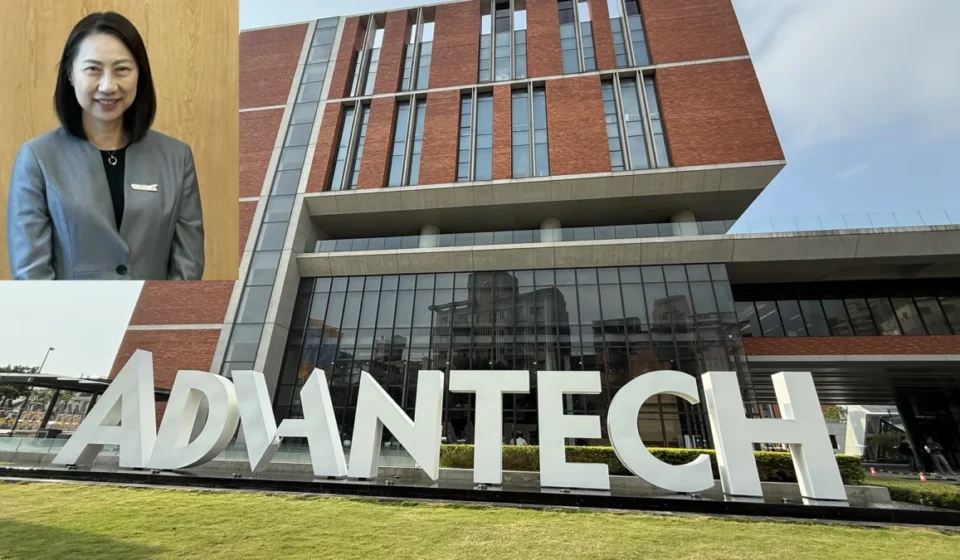
Advantech Forges a Path: Integrating Energy Efficiency and AI for Sustainable Manufacturing

Taipei, Taiwan – In an era where technological advancement often grapples with its environmental footprint, Advantech, a global leader in industrial IoT and embedded platforms, is championing a proactive approach to sustainable manufacturing. At the recent Advantech Edge AI Conference in Taipei, Linda Tsai, the company’s President of Intelligent System Sector & COO, articulated a clear vision: harnessing the power of Artificial Intelligence (AI) not just for productivity, but as a critical enabler for energy efficiency and environmental stewardship. Her comprehensive address underscored Advantech’s deep commitment to an Environmental, Social, and Governance (ESG) framework, signaling a significant shift towards more responsible industrial practices.
Tsai’s statements resonate with a growing global imperative for industries to balance innovation with ecological responsibility. As AI and automation become increasingly pervasive in manufacturing, the energy demands of these advanced systems pose a new challenge. Advantech’s strategy, as outlined by Tsai, positions the company at the forefront of addressing this paradox, demonstrating that AI can be a powerful tool in achieving ambitious sustainability targets rather than merely contributing to energy consumption.
The Genesis of a Green Strategy: Advantech’s ESG Commitment
Advantech’s journey towards a greener future is not a recent phenomenon but a strategically planned evolution. In 2020, the company formalized its commitment by establishing a dedicated Environmental, Social, and Governance (ESG) office. This move was a recognition of the multifaceted responsibilities modern corporations bear – extending beyond financial performance to encompass their impact on the planet, people, and ethical governance. The ESG office acts as the central nervous system for Advantech’s sustainability initiatives, ensuring that environmental considerations are integrated into every facet of its operations, from product conception to end-of-life management.
Tsai emphasized that this commitment begins at the fundamental level of product design. The company critically examines how each product can inherently be more energy efficient, even if this initial focus on sustainable design translates into slightly increased development or material costs. This philosophy reflects a long-term investment perspective, understanding that upfront investments in efficiency yield significant returns in reduced operational costs, enhanced brand reputation, and compliance with evolving global regulations. A notable driver for this product-centric approach is the European Union’s stringent energy-saving regulations for electronic components, which Advantech has proactively integrated into its system design processes. This forward-thinking compliance not only prepares them for market access but also sets a high standard for energy performance across their product portfolio.
Beyond product design, Advantech’s sustainability strategy extends deep into its supply chain and operational practices. The company places a strong emphasis on the circular economy, actively focusing on recycling materials, down to everyday components like plastic and paper used in packaging. This meticulous attention to detail ensures that waste is minimized throughout the product lifecycle, from the materials sourced from suppliers to the packaging accompanying products shipped to customers worldwide. This holistic approach signals a departure from linear "take-make-dispose" models, embracing instead a regenerative system where resources are valued and reused.
Holistic Approach to Energy Efficiency: From Product to Factory Floor
Tsai detailed Advantech’s comprehensive framework for measuring and reducing its environmental impact, highlighting both product-level and factory-level initiatives.
Product-Level Innovation and Carbon Footprint Calculation
A cornerstone of Advantech’s strategy is the meticulous calculation of the carbon footprint for each of its products. Tsai explained, "For our product, we are able to provide a couple footprints for each product… what we do is collect lots of data that depends on our manufacturing process, the material, and then we have our formula to calculate what is the carbon footprint to deliver this product." This sophisticated approach goes beyond mere energy consumption during use; it encompasses a full life cycle assessment (LCA) perspective.
This involves:
- Material Sourcing: Assessing the environmental impact of raw materials, including their extraction, processing, and transportation.
- Manufacturing Process: Quantifying energy consumption and emissions generated during the production of components and assembly. This includes factors like electricity usage, waste generation, and water consumption on the factory floor.
- Logistics and Transportation: Calculating the emissions associated with shipping products from the factory to distribution centers and ultimately to the customer.
- Product Use Phase: Estimating the energy consumption of the product during its operational lifespan, often a significant contributor to its overall footprint.
- End-of-Life Management: Considering the environmental impact of disposal or recycling at the end of the product’s useful life.
By developing specific formulas and collecting extensive data, Advantech gains granular insights into the environmental cost of each product. This data-driven approach empowers them to make informed decisions at every stage of design and production, identifying hotspots for improvement and actively working to reduce the embodied carbon in their offerings. This transparency and commitment to quantification not only aids internal decision-making but also provides customers with valuable information about the sustainability credentials of Advantech’s products.
Factory Floor Optimization: Smart Energy Management
Beyond the inherent efficiency of its products, Advantech recognizes that its manufacturing facilities are significant energy consumers. Addressing this, the company has, in recent years, implemented advanced software solutions to monitor energy consumption across its factories in real-time. This sophisticated system feeds data into intuitive dashboards, providing factory managers with immediate visibility into energy usage patterns.
This real-time monitoring capability is transformative. Managers can pinpoint exactly where and when energy is being consumed, identifying inefficiencies and opportunities for reduction. This might involve optimizing machine schedules, adjusting lighting and HVAC systems based on occupancy, or identifying faulty equipment that is drawing excessive power. The insights derived from these dashboards are not merely observational; they are actionable.

In a powerful demonstration of its commitment, Advantech has integrated energy reduction into its core performance metrics. "One of the KPIs that they have put on the factory leader is that every year they need to reduce their waste output," Tsai stated. This institutionalization of waste reduction as a Key Performance Indicator (KPI) ensures accountability and incentivizes continuous improvement. Factory leaders are directly responsible for implementing strategies to minimize energy waste, optimize resource utilization, and drive down the overall environmental impact of their operations. This top-down mandate, coupled with bottom-up data insights, creates a powerful engine for sustainable change within the organization.
Ambitious Sustainability Targets
Advantech’s commitment to environmental responsibility culminates in ambitious, long-term sustainability targets that align with global climate goals. "Our goal by year 2050 will be net zero, and by 2040 we will be using 100% renewable energy," Tsai declared.
These targets are not just aspirational; they represent a strategic roadmap for the company’s future. Achieving net-zero emissions by 2050 will require a fundamental transformation of Advantech’s operations, encompassing everything from energy sources to supply chain logistics. The interim target of 100% renewable energy by 2040 is particularly significant, demonstrating a clear intention to decarbonize their energy consumption well in advance of the net-zero deadline. This will likely involve a combination of investing in on-site renewable energy generation, purchasing renewable energy credits, and partnering with utilities that offer green energy solutions. These targets position Advantech as a leader in industrial sustainability, setting a benchmark for others in the technology manufacturing sector.
Other Smart Efficiency Methods (Inferred from industry best practices)
While the original article’s bullet points for "other ways that the company is being smart about being more efficient" were empty, based on Advantech’s business and industry trends, these would logically include:
- Predictive Maintenance powered by AI: Utilizing AI to analyze sensor data from machinery to predict equipment failures before they occur. This prevents costly downtime, reduces material waste from faulty products, and optimizes energy use by ensuring machines run at peak efficiency and are not unnecessarily drawing power when underperforming.
- Intelligent Resource Allocation: Employing AI algorithms to optimize the allocation of resources – be it raw materials, labor, or energy – across different manufacturing processes. This can minimize waste, reduce lead times, and lower overall energy consumption.
- Optimized Logistics and Supply Chain Management: Using AI to create more efficient shipping routes, consolidate freight, and reduce empty backhauls, thereby lowering fuel consumption and associated emissions in the supply chain.
- Smart Building Management Systems: Integrating AI into building automation to optimize heating, ventilation, air conditioning (HVAC), and lighting systems based on real-time occupancy, weather data, and energy prices. This can significantly reduce energy waste in factory and office environments.
- Waste Heat Recovery: Implementing systems that capture and reuse waste heat generated from industrial processes, converting it into usable energy for other factory operations or even electricity generation.
- Process Automation and Digital Twins: Creating digital replicas (digital twins) of manufacturing processes to simulate and optimize them before physical implementation, identifying energy-intensive bottlenecks and improving overall efficiency.
- AI-driven Material Optimization: Using AI to design products with minimal material usage, or to identify alternative, more sustainable materials with lower environmental footprints.
These methods, when integrated with Advantech’s existing ESG framework, would collectively contribute to their ambitious sustainability goals and underscore their commitment to intelligent, green manufacturing.
AI’s Role: Augmenting, Not Replacing
A crucial aspect of Advantech’s strategy, as highlighted by Tsai, is the intelligent and ethical deployment of AI. While AI’s potential for driving efficiency is undeniable, its application must be carefully considered to maximize benefits while mitigating potential downsides.
Dispelling Misconceptions and Boosting Productivity
Tsai addressed a common misconception prevalent among some industrial customers: the belief that AI can entirely replace human tasks. She clarified Advantech’s stance, stating, "While some industrial customers mistakenly believe that AI can replace all tasks, they have found that it cannot, and it only boosts productivity, something the company has chosen to focus on." This distinction is vital. Advantech views AI not as a substitute for human ingenuity and labor, but as a powerful augmentation tool designed to enhance human capabilities and streamline processes. This approach fosters a more collaborative environment where AI supports workers rather than displacing them, addressing concerns about job security often associated with automation.
The focus on boosting productivity through AI aligns perfectly with the company’s efficiency goals. By enabling faster, more accurate, and more optimized processes, AI contributes indirectly to energy savings by reducing waste, rework, and idle time.
Strategic AI Applications Across Operations
Advantech has strategically deployed AI in several key areas to achieve these productivity boosts:
- Design Quality Improvement: AI algorithms are being employed to analyze vast datasets of design specifications, performance metrics, and failure modes. This allows for predictive analysis, identifying potential design flaws or inefficiencies early in the development cycle. By optimizing designs for quality and performance from the outset, Advantech can reduce material waste, minimize rework, and create products that are more robust and reliable, thereby extending their lifespan and reducing their overall environmental impact.
- E-commerce Order Fulfillment: In the fast-paced world of e-commerce, efficiency is paramount. AI is being used to optimize inventory management, predict demand, and streamline order processing and fulfillment. This translates to faster delivery times, reduced shipping errors, and more efficient use of warehouse space and logistics resources. By minimizing the need for expedited shipping and optimizing routes, AI helps reduce the carbon footprint associated with product delivery.
- Machine Vision for Irregular Patterns: While traditional machine vision systems are often rule-based, designed to detect predefined defects, Advantech employs AI for more complex and nuanced inspection tasks. "And while machine-vision inspections remain largely rule-based, AI is only used here when patterns are irregular," Tsai noted. This targeted application of AI is crucial for identifying subtle anomalies or complex defects that might escape rule-based systems. By catching these irregularities early, Advantech can prevent defective products from progressing further down the manufacturing line, saving materials, energy, and labor that would otherwise be wasted on faulty items. This not only enhances product quality but also contributes significantly to waste reduction.
The Synergy of AI and Automation: Autonomous Mobile Robots (AMR)
In conjunction with AI, Advantech is leveraging Autonomous Mobile Robots (AMRs) to further enhance production efficiency. Tsai affirmed that the company will not reduce its workforce but instead use AMRs to increase production efficiency. AMRs, guided by AI, can autonomously transport materials, components, and finished goods across the factory floor. This automation of internal logistics reduces reliance on manual labor for repetitive tasks, frees human workers for more complex and value-added activities, and optimizes material flow.
The deployment of AMRs contributes to efficiency in several ways:

- Optimized Material Flow: AMRs can navigate dynamically, choosing the most efficient paths and avoiding obstacles, leading to faster and more consistent material delivery.
- Reduced Human Error: Automating transport tasks minimizes errors, damage to materials, and accidents, improving overall operational safety and efficiency.
- Space Utilization: AMRs can operate in flexible layouts and navigate tighter spaces, optimizing the use of factory floor area.
- Energy Efficiency: Modern AMRs are designed for energy efficiency, with intelligent charging systems and optimized movement patterns, contributing to the factory’s overall energy reduction goals.
The synergy between AI and AMRs creates a highly optimized and efficient manufacturing environment, allowing Advantech to scale production and improve output without necessarily increasing its energy footprint proportionally or compromising its workforce.
The Broader Landscape: Sustainable Manufacturing and AI’s Future
Advantech’s strategic direction is not just about internal improvements; it reflects a broader understanding of the evolving industrial landscape and the critical role technology plays in shaping a sustainable future.
The Energy Footprint of AI: A Growing Concern
The increasing adoption of AI across industries brings with it a growing concern about its energy footprint. Training large AI models, running complex inference algorithms, and powering the necessary data centers require significant amounts of electricity. As AI becomes more sophisticated and ubiquitous, its energy demand is projected to rise dramatically. This creates a compelling need for "Green AI" – methodologies and technologies aimed at reducing AI’s environmental impact.
Advantech’s approach directly addresses this challenge by demonstrating that AI, when implemented thoughtfully, can be part of the solution rather than solely part of the problem. By integrating energy efficiency into its AI-driven product design, manufacturing processes, and operational management, Advantech is actively working to mitigate the energy demands of its own AI solutions while simultaneously using AI to make its entire ecosystem more sustainable. This showcases a responsible model for AI development and deployment in the industrial sector.
Industry Trends and ESG Imperatives
Advantech’s commitment to ESG is aligned with global megatrends. Investors are increasingly scrutinizing companies’ environmental and social performance, recognizing that strong ESG practices correlate with long-term financial resilience and reduced risk. Regulatory bodies worldwide are enacting stricter environmental laws, pushing industries towards greater accountability. Consumers are also becoming more discerning, favoring brands that demonstrate genuine commitment to sustainability.
By proactively embedding ESG principles into its core strategy, Advantech is not only meeting these external pressures but is also positioning itself as a leader in responsible manufacturing. This proactive stance helps build trust with stakeholders, enhances brand reputation, and ensures compliance in an increasingly regulated global market. The focus on circular economy principles, waste reduction, and renewable energy positions Advantech as a forward-thinking company contributing positively to global sustainability goals.
Competitive Advantage and Future Outlook
In a competitive market, Advantech’s integrated approach to AI and sustainability provides a distinct competitive advantage. Companies that can offer products and solutions that are both high-performing and environmentally friendly will increasingly capture market share. Advantech’s ability to demonstrate a lower carbon footprint for its products, coupled with its commitment to sustainable manufacturing processes, will appeal to environmentally conscious customers and partners.
Furthermore, by investing in cutting-edge technologies like AI for efficiency optimization and AMRs for automation, Advantech is building a resilient and future-proof manufacturing operation. These investments enable greater agility, responsiveness to market demands, and a reduced reliance on traditional, resource-intensive methods. The ambitious targets for net-zero emissions and 100% renewable energy by 2050 and 2040 respectively, signal a long-term vision that will likely attract top talent, foster innovation, and secure Advantech’s position as a leader in the industrial technology space for decades to come.
Conclusion
Linda Tsai’s address at the Advantech Edge AI Conference painted a compelling picture of a company deeply committed to navigating the complexities of modern industrialization with a strong sense of environmental responsibility. Advantech is demonstrating that the twin goals of technological advancement and ecological sustainability are not mutually exclusive but can, in fact, be synergistic. By integrating ESG principles from product design to factory operations, leveraging AI to enhance efficiency, and setting ambitious targets for decarbonization, Advantech is setting a powerful precedent. Its journey illustrates a pragmatic and principled pathway for manufacturers worldwide: one where innovation, productivity, and planetary well-being advance hand-in-hand, shaping a more sustainable future for the industrial sector and beyond.