






Bridging the Gap: Kallisio Launches Direct-to-Patient Access for 3D-Printed Radiation Therapy Devices

In a significant move to democratize access to personalized oncology, medical technology firm Kallisio has unveiled an expanded access program for its FDA-cleared, 3D-printed intraoral device, Stentra. Designed specifically for head and neck cancer patients undergoing radiation therapy, the device is now being made available directly to patients, bypassing the often-sluggish procurement cycles of hospital systems. This initiative represents a paradigm shift in how advanced, patient-specific medical hardware reaches those who need it most, ensuring that innovative technology is no longer gated by a provider’s internal adoption timeline.
The Core Innovation: Precision Positioning in Radiation Oncology
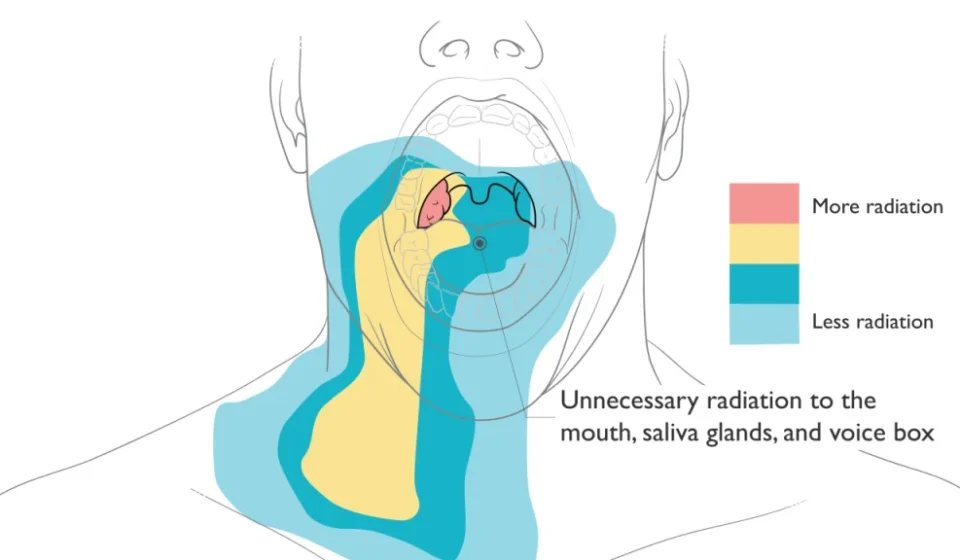
Head and neck cancer treatment presents a unique clinical challenge. Radiation therapy requires extreme precision; the goal is to deliver a lethal dose to the tumor while sparing highly sensitive surrounding structures, such as the salivary glands, the tongue, and the jawbone. Traditional methods of immobilization often rely on generic positioning tools, which can lead to "setup uncertainty"—small shifts in a patient’s mouth position between treatment sessions that compromise the accuracy of the radiation beam.
Stentra is an FDA 510(k)-cleared (K232293), custom-fit 3D-printed intraoral mouthpiece designed to resolve this variability. By creating a precise digital negative of a patient’s mouth, the device locks the tongue, lips, and oral structures into a fixed, reproducible position for every single radiation fraction. Because the device is created from a patient’s specific anatomical scan, it ensures that the radiation dose is delivered exactly as the oncologist intended, session after session, throughout the duration of a multi-week treatment course.
Chronology of Development and Clinical Validation
The development of Stentra was not an isolated engineering endeavor but a collaborative effort rooted in clinical practice. Kallisio worked in tandem with leading academic medical institutions, most notably The University of Texas MD Anderson Cancer Center, to ensure the device integrated seamlessly into existing oncology workflows.
1. The Design Phase
Unlike many medical devices that are designed in a vacuum, Stentra was built to solve the "workflow friction" problem. Developers focused on a system that required no new hardware or software on the provider side. By accepting standard diagnostic files (STL, DICOM, and common optical scanner formats), the system allows clinicians to incorporate the device without disrupting their established routines.
2. Clinical Integration
Following successful design iterations, Stentra moved into clinical environments, including high-profile installations at Stanford Health Care. Early observational data has been overwhelmingly positive, demonstrating that the device maintains structural integrity and positional accuracy over the entire course of radiation.
3. The Current Milestone
The recent launch of the direct-to-patient access program marks the third phase of the company’s evolution: moving from a B2B model to a patient-centric model. By allowing patients and caregivers to initiate the process, Kallisio is effectively removing the hospital’s procurement department as the "gatekeeper" of care.
Supporting Data and Clinical Efficacy
The clinical imperative for Stentra is backed by robust research into the complications of radiation therapy. A landmark 2020 study provided strong evidence that patient-specific oral stents can reduce the incidence of severe oral mucositis—a painful, inflammation-driven side effect of radiation—by up to 77.6%.
Beyond toxicity reduction, Kallisio’s internal data highlights the operational reliability of the device. In an observational case series, the company reported that 100% of patients using the device completed their full radiation regimen without a single day of treatment delay or schedule disruption due to device failure or positioning errors. This consistency is vital in cancer care, where delays in radiation can potentially impact the long-term success of the treatment protocol.

Logistics: How the 72-Hour Turnaround Works
A critical barrier to personalized medicine is the time required for fabrication. Kallisio has streamlined this through a proprietary data pipeline that balances speed with strict HIPAA compliance.
- The Workflow: When a patient enrolls in the program, Kallisio verifies clinical eligibility directly with the patient’s radiation oncologist.
- The Scan: A digital dental scan is performed by a local provider. The resulting file is sent to Kallisio’s secure processing lab.
- Compliance: The platform is engineered to prevent the transfer of Protected Health Information (PHI). By keeping clinical data separate from diagnostic imagery, hospitals can adopt the device without the arduous IT vetting typically required for new third-party software.
- Fabrication: Kallisio’s software generates a model based on the patient’s anatomy and treatment prescription. The device is manufactured using biocompatible, ISO-certified materials and is typically delivered to the treatment center within 72 hours of data receipt.
Official Perspectives: The CEO’s Vision
Rajan Patel, CEO of Kallisio, views the new program as a moral necessity rather than just a commercial expansion.
"Patients preparing for head and neck radiation deserve every option that may make treatment more tolerable," Patel stated during the announcement. "We recognize that clinical adoption of new technology can be a slow process at some institutions. By working directly with patients, their oncology teams, and dental partners, we are essentially bridging the gap between available innovation and the bedside. We want to ensure that if a patient is eligible for the protection and precision that Stentra offers, the hospital’s internal timeline doesn’t prevent them from receiving it."
Broader Implications for the 3D-Printed Healthcare Sector
The Kallisio initiative is part of a larger, systemic shift within the healthcare industry regarding the role of 3D printing in personalized medicine. For years, additive manufacturing has been hailed as a revolutionary tool for healthcare, yet its adoption has been hampered by issues regarding reimbursement, regulatory hurdles, and institutional inertia.
Policy and Reimbursement Shifts
The landscape is changing. In October 2025, the U.S. government took a major step forward by recognizing 3D printing as a reimbursable method for prosthetic fabrication under Medicare. This policy change signaled to the broader industry that personalized, digitally manufactured devices are moving from the "experimental" category to the "standard of care."
The "Access Gap" Phenomenon
Kallisio’s model addresses what many industry analysts call the "Access Gap"—the delay between when a technology is proven effective and when it is actually available at the local hospital level. Other companies are attempting to solve this through different strategies:
- Adaptiiv Medical Technologies: By providing software that allows hospitals to 3D-print their own boluses (devices used to distribute radiation dosage), they are enabling large institutions like Walter Reed National Military Medical Center to take control of their own manufacturing.
- The VA Model: The Atlanta VA Healthcare System has successfully piloted programs for 3D-printed orthotics, demonstrating that patient-specific, rapid-turnaround hardware can thrive within public health systems when the infrastructure is properly incentivized.
Conclusion: A New Standard of Care
The launch of Kallisio’s direct-to-patient access program for Stentra is an indicator of where the medical device industry is headed. As additive manufacturing becomes more accessible and the data supporting patient-specific devices continues to mount, the pressure will grow on healthcare systems to integrate these technologies faster.
For the patient, this means the future of care is becoming increasingly tailored. Whether it is a custom cast for a fracture or a precise intraoral device for cancer treatment, the ability to manufacture on-demand is changing the patient experience from one of "one-size-fits-all" to one of "designed-for-you." As Kallisio continues to scale its operations, the success of this program will likely serve as a blueprint for other medtech startups looking to empower patients in the face of institutional bureaucracy.
For those interested in the future of additive manufacturing and its applications in healthcare, the industry continues to look toward 2026 as a pivotal year for the integration of digital, personalized fabrication into the global supply chain.