





Bridging the Gap: How Surgical Precision and Warehouse Autonomy Are Shaping the Future of Robotics

The September 2026 digital issue of The Robot Report arrives at a pivotal moment in the evolution of automation. As industries grapple with labor shortages, rising operational costs, and the increasing demand for high-precision outcomes, two sectors have emerged as the bellwethers of success: surgical robotics and warehouse logistics. While these fields appear disparate on the surface, they share a fundamental technological DNA. Whether maneuvering a scalpel through delicate tissue or navigating a thousand-pound pallet through a bustling fulfillment center, the success of modern robotics hinges on a trifecta of sophisticated motion control, intelligent software, and rigorous implementation strategies.
This comprehensive report, now available for free download, offers a roadmap for commercial robotics developers, systems integrators, and end-users who are looking to move beyond the "proof of concept" phase and into sustainable, large-scale deployment.
Main Facts: The Pillars of Modern Automation
The core thesis of the September report is that the "Wild West" era of robotics is giving way to a period of systematic maturity. The industry is no longer merely asking, "What can this robot do?" but rather, "How can this robot be integrated reliably into a human-centric environment?"
The Surgical Frontier
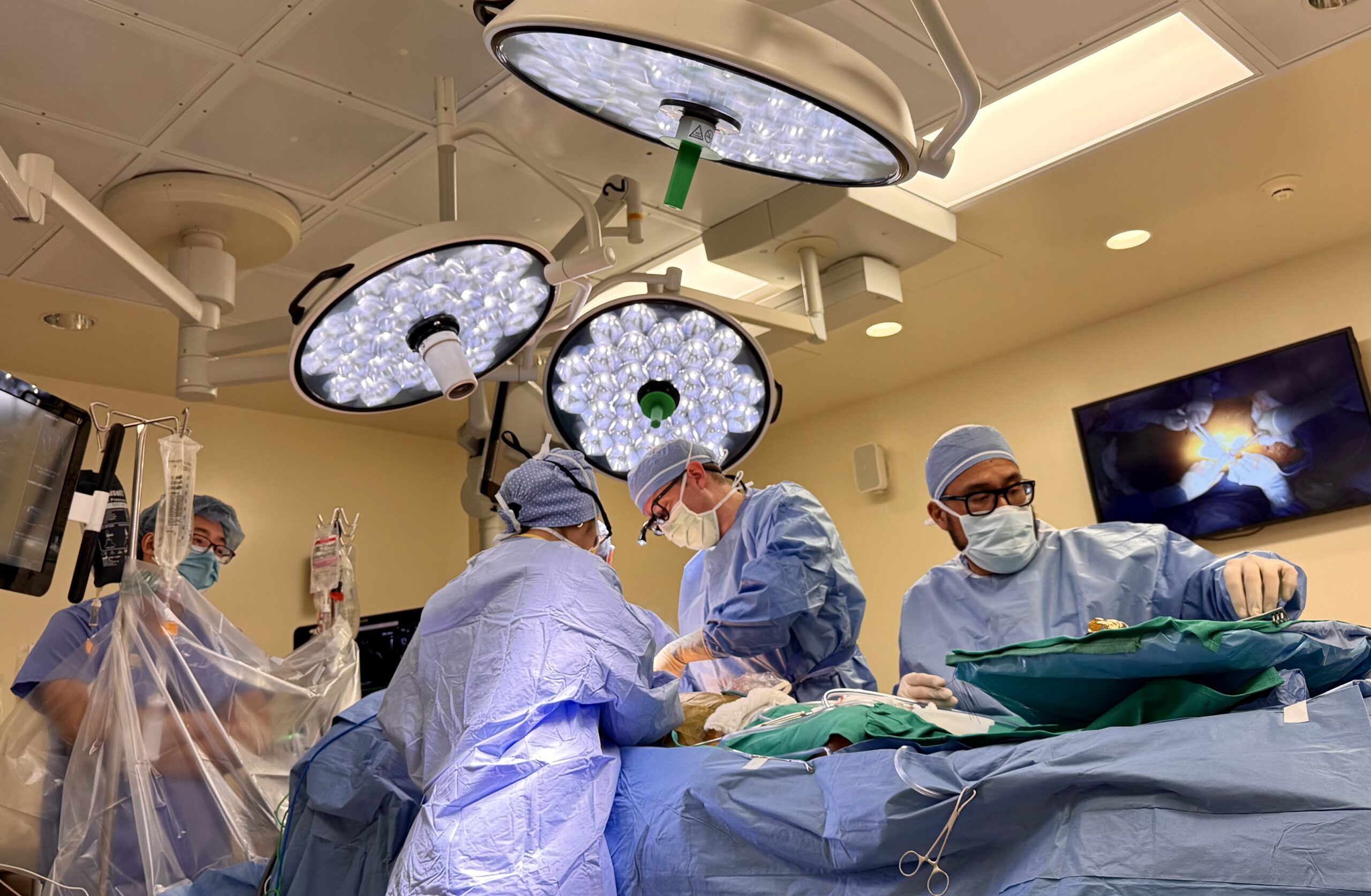
The report highlights the work being performed at El Camino Health and the Heart Vascular Institute, where clinicians are leveraging Intuitive Surgical’s da Vinci system to perform coronary artery bypass grafting. This serves as a primary case study in the intersection of robotics and human cognitive load. While robot-assisted surgery is becoming a standard of care, the report emphasizes that "common" does not mean "simple." The engineering requirements for motion control in these environments are astronomical; the system must translate a surgeon’s movements with sub-millimeter accuracy while filtering out natural tremors and ensuring patient safety.
The Warehouse Evolution
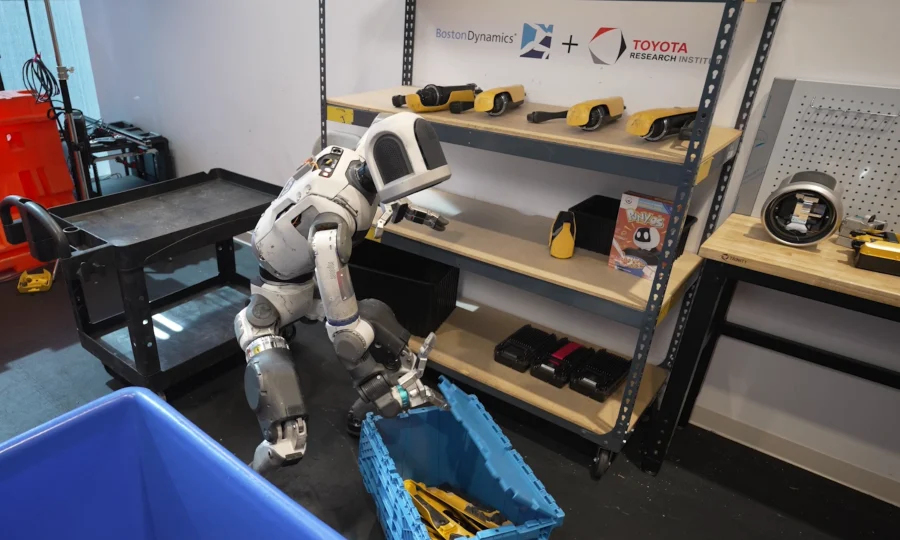
In parallel, the report turns its attention to the material handling floor, specifically the transition from Automated Guided Vehicles (AGVs) to Autonomous Mobile Robots (AMRs). The key differentiator here is autonomy. Unlike their predecessors, which often require fixed infrastructure like magnetic tape or laser reflectors, AMRs navigate dynamically. However, this freedom introduces complexity. The report outlines the critical need for warehouse operators to move beyond the "shiny object" phase of adoption and address foundational issues, including safety compliance, fleet interoperability, and long-term maintenance protocols.
Chronology: From Innovation to Integration
To understand where we are in 2026, we must look at the developmental arc of these technologies.
- 2010–2018 (The Experimental Phase): Surgical robots were primarily utilized for specialized urological or gynecological procedures. In warehouses, automation was limited to rigid, fixed-path systems that struggled with human interaction.
- 2019–2023 (The Data-Driven Shift): Improvements in sensor fusion—specifically the combination of LiDAR, depth cameras, and AI-driven path planning—allowed AMRs to move independently. Concurrently, surgical systems began incorporating more robust "haptic feedback" and enhanced visualization software, reducing the learning curve for surgeons.
- 2024–2026 (The Operational Maturity Phase): We are currently in a period where the focus has shifted to "deployment readiness." The industry is standardizing best practices for interoperability. Both surgical and warehouse environments have moved from utilizing robotics as a "tool" to viewing them as an "ecosystem component" that must interface with existing hospital IT infrastructures and enterprise resource planning (ERP) systems in supply chains.
Supporting Data: Why Precision Matters
The report underscores that the business case for robotics is rarely built on speed alone; it is built on consistency.
Surgical Efficiency Metrics
At El Camino Health, the implementation of robotic surgery has served a dual purpose: improving patient outcomes and alleviating the "cognitive burden" on medical staff. Data suggests that when clinicians use the da Vinci system, the consistency of the procedure increases significantly. By offloading the mechanical precision required for sutures and dissections, surgeons can focus on the higher-level decision-making required during complex cardiac procedures. This leads to:
- Faster Healing Times: Minimally invasive incisions reduce post-operative recovery time by an average of 30% compared to traditional open surgery.
- Lower Complication Rates: The stability provided by high-end motion control software minimizes the risk of human-induced trauma to surrounding tissues.
The AMR ROI Equation
In the warehouse sector, the report highlights that the successful deployment of AMRs is often predicated on the "management of expectations." When businesses deploy fleets of AMRs, the most significant ROI gains are not seen in the speed of the robots themselves, but in the efficiency of the workflow orchestration software. Companies that treat their fleet as a data-generating asset—monitoring charge cycles, traffic bottlenecks, and maintenance intervals—report a 25% increase in throughput within the first 18 months of deployment.
Official Responses and Industry Perspectives
The report features insights from several freelance experts and industry practitioners who emphasize that the challenges in both fields are fundamentally the same.
"Whether you are in an operating room or a distribution center, the robot is only as good as the environment it operates in," notes the report’s lead author. "For the surgeon, the ‘environment’ is the patient’s physiology and the real-time data from the robot’s sensors. For the warehouse manager, the environment is a changing floor plan and human workers."
One of the recurring themes in the report is the concept of "Systematic Safety." Warehouse operators are encouraged to ask tough questions: Who is responsible for the firmware update on a fleet of 50 AMRs? What is the fail-safe protocol if a robot encounters an unexpected obstacle? The report suggests that the most successful companies are those that view the robot supplier as a long-term partner rather than a one-time vendor.
Implications: The Road Ahead
The synthesis of these two fields—surgical and industrial robotics—provides a blueprint for the next five years of the industry.
The Convergence of Software and Hardware
We are entering an era where hardware is becoming commoditized, and software is becoming the primary competitive advantage. In the operating room, the software that interprets the surgeon’s input is becoming more intuitive, utilizing machine learning to predict the next steps in a procedure. In the warehouse, the "intelligence" of the AMR is shifting from basic obstacle avoidance to high-level strategic navigation that optimizes for energy efficiency and labor management.
The Necessity of Implementation Plans
The report warns against "deployment by trial and error." Before a single robot is purchased, stakeholders must define:
- Safety Interoperability: Can the robot safely share space with humans without requiring massive physical barriers?
- Cognitive Integration: Does the robot reduce the mental load on the human operator, or does it add a layer of complexity that requires constant monitoring?
- Scalability: Is the fleet management software capable of scaling from five robots to five hundred?
Looking Forward to RoboBusiness 2026
The insights captured in this report serve as a preview for the upcoming RoboBusiness 2026 conference, scheduled for October 20-21 in Santa Clara, California. As the event celebrates its 20th anniversary, the focus will be squarely on the "Business & Deployment" track. The industry has spent two decades proving that robots can work; the next two decades will be about proving that they can work everywhere, for everyone.
The 2026 report is not merely a summary of current tech; it is a call to action. For manufacturers, healthcare providers, and logistics firms, the message is clear: the technology is ready. The question now is whether your organization is ready to build the infrastructure, the safety culture, and the management expertise required to thrive in an automated future.
To dive deeper into these case studies and gain access to the full technical breakdowns, readers are encouraged to download the September 2026 digital issue of The Robot Report. For those interested in the future of the industry, registration for RoboBusiness 2026 is now open, offering a unique opportunity to network with the engineers and business leaders driving these advancements.