


Regulatory Battle Looms as Shipper Coalitions Fight Union Pacific and Norfolk Southern Merger Bid

Published: September 21, 2026
Source: Supply Chain Intelligence Desk
Main Facts
The ongoing battle over the proposed mega-merger between freight rail giants Union Pacific (UP) and Norfolk Southern (NS) has reached a critical juncture. Trade associations representing crucial industrial sectors—most notably chemical and fertilizer shippers—have intensified their opposition, filing joint motions urging the Surface Transportation Board (STB) to outright reject the consolidation.
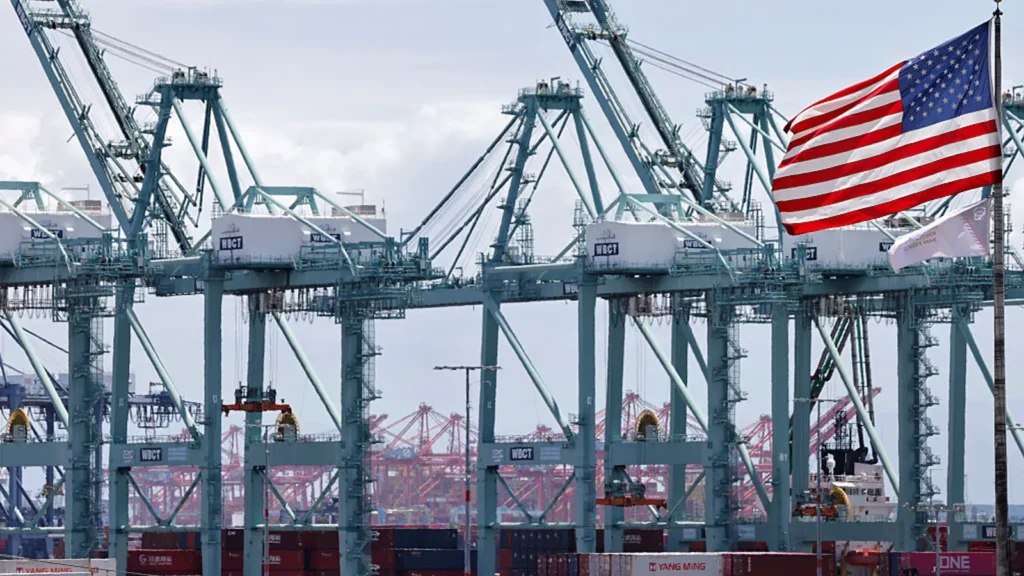
Originally announced in June 2025, the proposed union aims to stitch together a vast transcontinental network spanning more than 50,000 route miles across 43 states. The combined behemoth would boast direct access to 10 international rail interchanges and hook into roughly 100 ports nationwide, creating a single-line coast-to-coast rail titan.
However, this vision of seamless transcontinental logistics has run into a wall of regulatory skepticism and fierce pushback from captive shippers, rival rail carriers, and federal lawmakers. Critics argue that the deal threatens to severely degrade market competition, exacerbate industry consolidation, and squeeze supply chains that already depend on a heavily concentrated oligopoly.
While the STB recently advanced the carriers’ revised application past initial procedural hurdles—allowing the formal review process to march forward—board members and regulators have made it clear that the clearance of paperwork does not signal approval of the deal’s underlying merits. With upcoming deadlines fixed for November 2026 and February 2027, the freight rail sector is bracing for one of the most contentious regulatory reviews in modern transportation history.
Chronology of Events
The path toward the current regulatory showdown has been marked by aggressive corporate maneuvering, procedural missteps, and mounting political resistance.
- June 2025: Union Pacific and Norfolk Southern formally enter into a definitive merger agreement, setting the stage to combine their extensive Western and Eastern U.S. networks into a unified transcontinental system.
- December 19, 2025: The rail giants formally submit their initial network merger proposal to the Surface Transportation Board.
- Early 2026: The STB rejects the December filing, citing critical deficiencies and missing information required under federal regulatory statutes, forcing the railroads back to the drawing board.
- April 2026: Union Pacific and Norfolk Southern refile a revised, expanded merger application with the STB, attempting to address the regulatory omissions flagged earlier in the year.
- May 2026: The STB officially accepts the revised application for review, transitioning the proposal from a procedural hurdle to a full-scale administrative examination.
- Summer 2026: Opposition swells. Bipartisan groups of U.S. senators warn the STB of potential rate hikes and service degradation. Meanwhile, chemical, agricultural, and fertilizer shipper associations file a joint motion demanding the total denial of the merger.
- September 2026: STB board member Richard Kloster publicizes sharp criticisms regarding the applicants’ lack of transparency and sparse mitigation plans. The regulatory timeline is set, establishing a November 18 deadline for formal public comments on the merits of the deal, followed by reply briefs due February 16, 2027.
Supporting Data & Market Dynamics
At the heart of the shipper coalition’s resistance is the precarious state of competition within the North American freight rail industry. Under the current structural paradigm, the domestic rail network is dominated by a Class I oligopoly.
Industry data underscores these fears: four out of the six major Class I freight railroads already control more than 90% of all U.S. freight rail traffic. Consolidating two of these giants—merging a dominant Western carrier (Union Pacific) with a major Eastern power (Norfolk Southern)—threatens to tip the market past a tipping point of effective competition, reducing shipper choices to a handful of massive, non-competing entities.
Furthermore, the scale of the proposed network is unprecedented. The combined entity would command:
- Over 50,000 route miles of track.
- Operations stretching across 43 distinct U.S. states.
- Strategic control points encompassing 10 international rail interchanges.
- Direct logistical linkages to approximately 100 maritime ports, heavily influencing imports, exports, and domestic intermodal corridors.
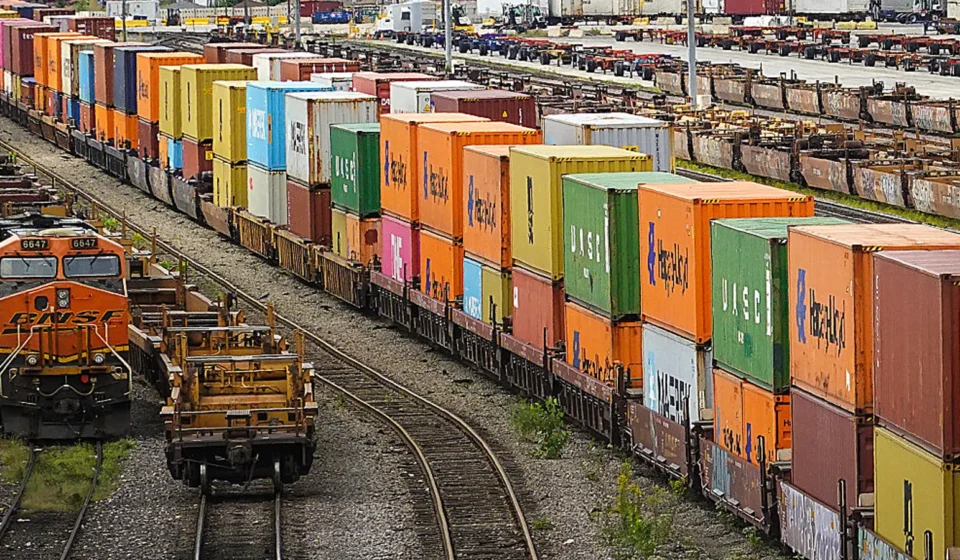
Shippers argue that while UP and NS emphasize the benefits to intermodal shipping—containers moving interchangeably between rail and truck—that specific segment is already fiercely competitive and well-served. The true danger lies in captive markets, where industrial producers have zero alternative to rail transport.
Official Responses and Stakeholder Perspectives
The debate has drawn sharp lines between the corporate architects of the merger and the broad coalition of manufacturers, agricultural producers, and political leaders who rely on the rail network to move goods.
The Shipper Coalitions
Industrial shippers, particularly those in the chemical and fertilizer sectors, have been vocal about the existential threat the merger poses to their supply chains.

"We will continue to stress to the STB that a healthy freight rail network depends on competition and customer choice, not increased market concentration and monopoly power," declared the American Chemistry Council in an official statement.
Without robust alternatives, chemical manufacturers fear they will be subjected to predatory pricing, unpredictable scheduling, and diminished service reliability, which could ultimately drive up costs for consumer goods, manufacturing inputs, and agricultural fertilizers.
Regulatory Concerns
The STB, while processing the paperwork, has not hidden its skepticism regarding the applicants’ strategy. In a revealing docket filing, STB board member Richard Kloster criticized the superficial nature of the railroads’ justifications:
"Applicants have submitted thousands of pages of documents, yet they do not offer a very robust plan for how they will address competitive concerns or mitigate potential harms. They also rely heavily on the benefits to intermodal shipments, a market segment which, by today’s standards, is already competitive," Kloster noted.
Legislative Warnings
Capitol Hill has also weighed in heavily. Several U.S. senators have formally cautioned the STB that approving the merger could place undue inflationary pressure on freight rates and degrade customer service standards across the board, urging regulators to prioritize the long-term stability of the national supply chain over corporate consolidation.
Implications for the Future of U.S. Freight
The outcome of the Union Pacific and Norfolk Southern merger review will have generational ramifications for North American supply chains.

If the merger is ultimately approved—even with stringent conditions—it could trigger a domino effect of defensive consolidation across the remaining Class I railroads, fundamentally reshaping the industry into two or three mega-continental systems. For logistics managers, supply chain directors, and procurement officers, such a shift could permanently alter freight rate baselines, contract negotiations, and infrastructure investments.
Conversely, a decisive rejection by the STB would reaffirm a strict regulatory stance prioritizing shipper protection and market plurality, signaling that the era of mega-rail mergers faces insurmountable antitrust hurdles.
As the calendar ticks down toward the November 18, 2026 deadline for comments on the merger’s merits, and the subsequent February 16, 2027 response window, all eyes remain fixed on Washington. The decisions made by the STB in the coming months will dictate whether America’s rail arteries move toward hyper-consolidation or remain bound by the checks and balances of competitive choice.