





Quincy Fire Department Pioneers Safety: A Complete Transition to PFAS-Free Turnout Gear

By Jesse Jacobs, Assistant Editor
In a landmark move for firefighter safety and occupational health, the Quincy Fire Department in Massachusetts has officially completed its transition to entirely PFAS-free turnout gear. This comprehensive equipment overhaul, backed by a $2.65 million city investment, addresses growing concerns regarding "forever chemicals" and their long-term health implications for first responders. The transition serves as both a proactive measure for the safety of local crews and a bellwether for the broader fire service industry as it grapples with the legislative and health challenges posed by per- and polyfluoroalkyl substances (PFAS).
The Core Objective: Protecting Those Who Protect Us
For decades, PFAS—a class of synthetic chemicals prized for their heat and water-resistant properties—were considered the gold standard in protective textile manufacturing. However, as scientific understanding of these substances has deepened, they have been linked to an array of adverse health outcomes, including increased risks of certain cancers, immune system suppression, and hormonal disruption.
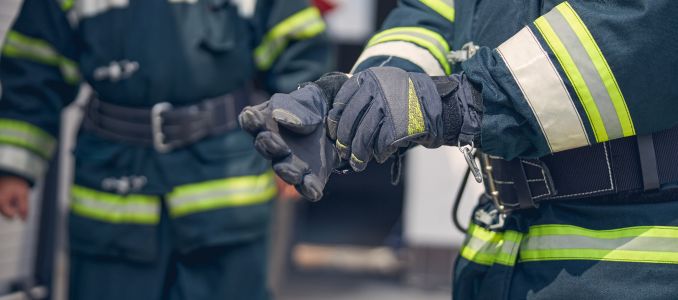
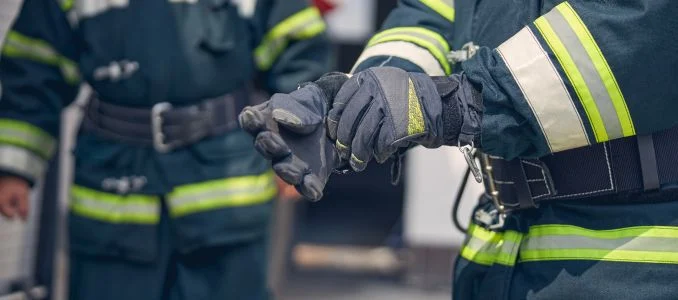
For firefighters, the irony has been profound: the very gear designed to protect them from the immediate, extreme heat of an inferno may have been contributing to long-term chronic illness through chemical exposure. By fully replacing the gear of its entire force, the City of Quincy has demonstrated a commitment to mitigating these latent occupational hazards, ensuring that their firefighters are not trading their long-term health for short-term protection.
Chronology: A Path to Change
The road to this replacement initiative was neither immediate nor simple. It required a combination of local advocacy, scientific verification, and significant municipal funding.
The Catalyst (August 2025)
The movement gained critical momentum in August 2025, when the Quincy Firefighters IAFF Local 792 commissioned independent testing of their existing gear. Despite being marketed as "fluorochemical-free" or safe, the tests returned alarming results, identifying the presence of PFAS in suits that had been purchased as recently as 2019. This discovery shattered the confidence of the rank-and-file in their current equipment and prompted an immediate dialogue with city leadership.

The Response (March–April 2026)
Following the results of the testing, city officials engaged in urgent consultations with the fire department leadership and union representatives. Recognizing the existential threat posed by these chemicals, the city moved with notable speed. In March 2026, the administration formally approved a funding package for a complete replacement of all protective gear. By April 2026, the city had secured an appropriation of $2,646,730 to procure high-performance, non-PFAS alternatives.
The Implementation (Summer 2026)
The procurement process focused on state-of-the-art materials that could withstand the rigors of firefighting without relying on legacy chemical coatings. By mid-2026, the department had received and distributed the new equipment, ensuring every firefighter was outfitted with two complete, verified-clean sets of turnout gear.
Supporting Data and Material Science
The effectiveness of this transition rests on the technical composition of the new gear. The department partnered with Fire-Dex, a leader in PPE manufacturing, utilizing a three-layer fabric system developed by Milliken & Company.

The Three-Layer Advantage
- The Outer Shell: Designed for durability and extreme heat resistance, this layer provides the first line of defense against physical hazards and thermal intensity without relying on PFAS-based treatments for water repellency.
- The Thermal Liner: This layer is engineered to maintain high-level insulation, ensuring that the wearer remains protected against high-temperature environments.
- The Moisture Barrier: Introduced in late 2024, this non-halogenated, flame-resistant moisture barrier is the cornerstone of the new gear. Unlike previous iterations that used PFAS to achieve moisture resistance, this new material achieves high performance through advanced synthetic engineering.
Verification through Testing
To ensure the integrity of the new procurement, the city relied on independent verification from Forever Analytical. The lab conducted rigorous screening of all three fabric layers, specifically testing for "total fluorine"—a common marker for the presence of PFAS. The results confirmed that the new equipment contained no detectable levels of these chemicals, providing the department and the city with the empirical evidence needed to move forward with confidence.
Official Responses and Strategic Rationale
The decision to move forward with the $2.65 million investment was a calculated strategic move by the City of Quincy. By providing every firefighter with two complete sets of gear, the department has solved a long-standing logistical challenge: decontamination.
Historically, when a firefighter’s gear was contaminated by smoke or hazardous materials during a call, they were often left without a backup set while the soiled gear was cleaned. This led to a "risk versus readiness" dilemma—either operate in dirty, potentially toxic gear or be under-equipped for the next emergency. The new two-set policy allows for a seamless rotation. When one set is sent for professional cleaning and decontamination, the firefighter has a clean, safe set ready for immediate deployment.

Union leaders and municipal officials have framed this as a necessary investment in the city’s human capital. "Our firefighters cannot be expected to perform at their best if the tools they use to stay safe are quietly endangering them," noted a spokesperson close to the transition.
The Broader Implications: A Changing Regulatory Landscape
Quincy’s move is part of a larger, systemic shift occurring across Massachusetts and the United States. The era of unchecked PFAS use in protective equipment is rapidly drawing to a close, driven by both public health awareness and strict legislative mandates.
The Massachusetts Mandate
Massachusetts has positioned itself at the forefront of this movement. State law now requires strict disclosure regarding the chemical composition of protective gear—a mandate that took effect at the beginning of 2025. Furthermore, a total prohibition on the sale or distribution of firefighter PPE containing intentionally added PFAS is slated to take effect on January 1, 2027.

Quincy’s proactive transition serves as a blueprint for other municipalities that have yet to comply with these looming deadlines. By acting in 2026, the city has successfully navigated the logistical hurdles of procurement and testing well before the state-wide ban renders older, contaminated inventory obsolete.
Impact on the Industry
The success of the Quincy model highlights several critical points for the broader fire service industry:
- Verification is Mandatory: Relying on marketing claims from manufacturers is no longer sufficient. As the Quincy experience proved, gear can be labeled "safe" while still containing harmful chemicals. Independent, third-party testing for total fluorine is the only way to ensure compliance and safety.
- Cost is an Obstacle, Not a Barrier: While $2.65 million is a significant appropriation, city leaders argued that the cost of inaction—including potential health-related medical leave and long-term liability—far outweighs the initial capital expenditure.
- The Future of Textile Engineering: The partnership between Fire-Dex and Milliken & Company underscores a growing market trend. As manufacturers recognize the demand for sustainable, non-toxic alternatives, we can expect to see further innovation in the field of flame-resistant, non-PFAS moisture barriers.
Conclusion: A New Standard for Occupational Safety
The Quincy Fire Department’s transition to PFAS-free gear is a powerful example of how local government can adapt to emerging scientific data to protect its citizens and employees. By prioritizing the health of its firefighters, Quincy has not only met the coming legal requirements but has set a new standard for duty-of-care in the public safety sector.

As the industry moves toward the January 2027 deadline, the lessons learned in Quincy will be invaluable. The combination of local advocacy, transparent testing, and a commitment to professional-grade decontamination protocols provides a clear roadmap for departments across the country. In the final analysis, the city’s investment is about more than just fabric and foam; it is about honoring the service of those who answer the call, ensuring that the gear they wear reflects the value of the lives they save.
For the firefighters of Quincy, the shift is a breath of fresh air—a literal and figurative step toward a safer, healthier future in one of the most demanding professions in the world. As technology continues to evolve, the department remains committed to staying at the forefront of safety, proving that when it comes to the well-being of the force, no cost is too high.