






By Mark Jones
We have officially crossed a threshold that once existed only in the realm of speculative science fiction. Recently, the defense sector celebrated a milestone as laser-based directed-energy weapons were successfully deployed in active combat to neutralize hostile drones. While this represents a paradigm shift for military strategy, a quieter, more personal revolution is brewing in the residential sphere. Imagine reclaiming your summer evenings—traditionally plagued by the incessant whine and itchy bites of mosquitoes—not through a toxic chemical fog, but through an AI-guided, high-precision laser array.
The concept of the "Photon Matrix" and similar defensive technologies suggests that we may finally be moving toward a future where our backyards are defended by sensors rather than indiscriminate poisons. However, the path from prototype to patio remains fraught with environmental, regulatory, and technological hurdles.
The Chemical Status Quo: A Failing Strategy
For those living in regions like Michigan, summer is often synonymous with an existential battle against insect populations. In many municipalities, the standard response to this "nightly bloodletting" is the broad-spectrum application of insecticides. Aerial crop dusters routinely spray Bacillus thuringiensis israelensis (Bti), a soil bacterium designed to target mosquito larvae. While Bti is often touted as a biological solution, many residents find that it is simply insufficient to handle the sheer volume of insects that arrive with the humidity.
When biological controls fail, local authorities often resort to more aggressive measures: fogging trucks. These vehicles operate under the assumption that by spraying after dusk, they avoid active pollinators. However, the environmental cost is mounting. These insecticides are inherently indiscriminate, proving toxic to freshwater fish, aquatic invertebrates, and a wide array of beneficial insects.
The silence in our gardens is deafening. Where flowering trees once buzzed with the vital work of bees and butterflies, there is now a haunting quiet. This decline is not anecdotal; it aligns with broader data suggesting a 60% drop in pollinator populations across Michigan over the last 15 years.
The Deception of "Natural" Pesticides
A significant point of contention exists regarding the chemicals currently marketed to homeowners and used by municipal services. At recent community events, representatives from mosquito control agencies have frequently highlighted the use of "chrysanthemum-based" insecticides.
This branding is, to put it mildly, disingenuous. The reality is that these services are rarely using natural pyrethrins—the compounds actually found in chrysanthemum flowers. Instead, they are deploying permethrin, a synthetic pyrethroid. While these compounds share a structural resemblance to natural pyrethrins, they are chemically modified with multiple chlorine atoms to enhance their toxicity and environmental persistence. Nature does not produce these structures, and their impact on the local ecosystem is significantly more severe than the "natural" label suggests.
The situation grows more dire when addressing the rise of tick populations. With 2026 projected to be a record-breaking year for tick-borne diseases, demand for residential treatment is skyrocketing. When inquiring about the specific compounds used by professional services, the answer often remains the same: "chrysanthemum derivatives." Further investigation reveals that many of these products are multiply fluorinated to ensure potency. These are, in effect, PFAS (per- and polyfluoroalkyl substances)—"forever chemicals" that persist in the soil and water indefinitely. Applying these in broad daylight, when beneficial insects are at their most active, represents a significant ecological failure.
The Technological Pivot: Laser Defenses
Caught between the irritation of pests and the toxicity of chemical intervention, homeowners are seeking alternatives. My own experiments with CO2-attractant vacuum traps were underwhelming; aside from a collection of corpses, there was little evidence of a reduction in the biting population.
This is where the Photon Matrix enters the narrative. The system utilizes high-precision infrared lasers, designed to be invisible and silent. By employing a combination of LiDAR and millimeter-wave radar, the unit tracks the flight paths of individual mosquitoes. The manufacturer claims that these systems can clear a 3- to 6-meter radius at a rate of 30 insects per second. Given that some estimates place mosquito density at 20,000 per acre, this "firepower" is necessary for the technology to be effective.
Key Features of the Photon Matrix Concept:
- Targeting Precision: Uses AI to differentiate between human targets and insect pests.
- Sensor Fusion: Combines LiDAR and radar to track flight velocity and trajectory.
- Zero-Chemical Footprint: Eliminates the need for aerosolized toxins.
- Non-Invasive: Operates silently, maintaining the ambiance of an outdoor living space.
However, a note of caution is warranted. As of this writing, the Photon Matrix remains in the crowdfunding phase. There is a lack of independent testing, third-party safety certification, and finalized product delivery. While the concept is sound, the reality of deploying a high-energy laser in a residential backyard—even one that is "smart" enough to avoid people—requires a level of regulatory scrutiny that has yet to be fully realized.
Supporting Technologies: The Case for TickBot
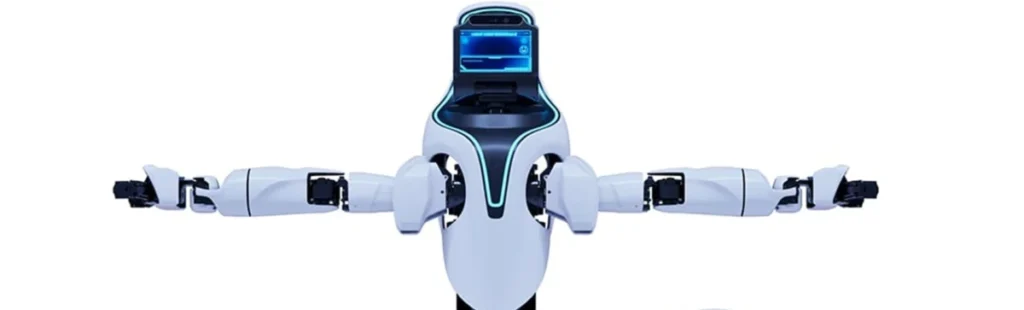
While lasers might handle the aerial threat of mosquitoes, they are largely ineffective against the ground-level crawl of ticks. Here, the solution may be found in robotics. NASA-affiliated researchers have developed "TickBot," a semi-autonomous rover designed to traverse brush and tall grass.
Unlike the indiscriminate spraying of toxic chemicals, TickBot utilizes a highly controlled delivery method. It drags a denim cloth treated with permethrin, following a guide wire that emits CO2 to lure ticks toward the cloth. This approach ensures that the pesticide is applied exactly where the ticks are, rather than broadcast across the entire yard. The results have been promising, achieving a near-tick-free environment within an hour of deployment. While it still involves a pesticide, the "controlled application" model is vastly superior to the "fogging" model.
Implications and Future Outlook
The transition from chemical warfare to technological precision represents a fundamental shift in how we manage our relationship with the natural world.
Environmental Implications
The move toward laser-based or robot-assisted pest control offers a path to restoring pollinator populations. If we can isolate our intervention to the specific species that cause harm, we reduce the collateral damage to the fragile ecosystems that support our gardens. The elimination of PFAS-based insecticides would be a significant win for soil and water health.
Regulatory Challenges
The deployment of laser-based defense systems in residential areas will undoubtedly face pushback from safety regulators. Issues regarding ocular safety, fire hazards, and the potential for misidentification of non-target insects will need to be addressed. Furthermore, if these systems become widespread, local laws may need to be updated to govern the use of directed energy on private property.
The Path Forward
The "satisfying poof" of a vaporized mosquito is a compelling vision, but it must be tempered by rigorous science. We are currently in the "wild west" phase of this technology, where promises are made on crowdfunding platforms and the realities of implementation are yet to be tested by peer-reviewed research.
We must demand transparency from our local mosquito control services. We must stop accepting "chrysanthemum-based" as a synonym for "safe" when the chemical composition is clearly synthetic and potentially hazardous. If we are to reclaim our backyards, we should prioritize solutions that are surgical in their precision rather than sweeping in their destruction.
Whether through the refinement of laser arrays like the Photon Matrix or the adoption of targeted robotics like TickBot, the future of pest control lies in intelligence—not in the saturation of our environment with toxic, long-lasting chemicals. The technology exists to save our summer evenings without destroying our summers. Now, we just need to ensure that the tools we build are as safe as they are effective.