



Bridging the Safety Chasm: How Reskilling Is Solving the Next Generation OHS Labor Shortage

As industries evolve, adopt emerging technologies, and face complex regulatory landscapes, the demand for occupational health and safety (OHS) professionals has reached an all-time high. Yet, the profession faces an unprecedented structural paradox: while job creation is booming, a demographic cliff threatens to leave workplaces dangerously under-defended.
Traditional pipelines—namely, university and college OHS degree programs—are producing strong cohorts of graduates, but these numbers fall drastically short of meeting market demand. To avert a widening talent deficit, industry leaders, human resource strategists, and safety organizations are increasingly turning to a powerful corporate solution: reskilling. By strategically transitioning talent from operational floor roles, the military, and public safety sectors, organizations can cultivate a new wave of highly capable safety professionals.
Main Facts: The Anatomy of the OHS Talent Shortage
The modern occupational health and safety landscape is characterized by simultaneous rapid expansion and a severe shortage of qualified personnel. According to projections from the U.S. Bureau of Labor Statistics (BLS), the occupation is poised for significant, double-digit expansion over the next decade.

- Explosive Job Growth: The BLS reports that the job outlook for occupational health and safety specialists and technicians will experience an astonishing 19% growth rate between 2025 and 2035.
- Engineering Demand: Simultaneously, health and safety engineers are projected to see a 5% growth over the same timeframe, driven by the need to design safer industrial machinery, automation systems, and workspaces from the ground up.
- The Silver Tsunami: Compounding this demand is a demographic crisis. According to data from the American Society of Safety Professionals (ASSP), more than half of all current safety professionals are approaching retirement age. This means the profession must not only hire for new positions driven by market growth, but also backfill thousands of retiring veterans of the field.
- The Pipeline Deficit: Traditional academic programs cannot bridge this gap alone. While enrollment in safety sciences is healthy, the sheer volume of vacant roles outpaces the annual output of university graduates.
Faced with this math, relying solely on traditional hiring pathways is no longer a viable corporate strategy. Businesses must adopt proactive workforce development frameworks to capture, train, and deploy talent from adjacent industries.
Chronology: How the Safety Profession Reached This Critical Crossroads
To understand how the OHS sector arrived at this pivotal juncture, it is helpful to examine the historical trajectory of workplace safety and labor market dynamics over the past several decades.
1. The Compliance Era and the Rise of the Specialist (1970s–1990s)
Following the establishment of safety regulatory bodies globally—most notably the Occupational Safety and Health Administration (OSHA) in the United States in 1970—workplace safety evolved from a loose, ad-hoc company policy into a rigorous scientific and legal discipline. During these decades, safety roles were largely reactive, focusing on basic compliance, injury documentation, and the mitigation of glaring physical hazards. Training was specialized, and the pathway into the field typically involved moving up through industrial hygiene or general labor supervision.

2. The Strategic Shift Toward Holistic Risk Management (2000s–2010s)
As globalization accelerated and supply chains grew more complex, the scope of occupational safety expanded dramatically. Safety was no longer just about hard hats and steel-toed boots; it began to encompass ergonomics, industrial psychology, environmental sustainability, mental health, and advanced data analytics. Universities responded by creating dedicated OHS degree programs, establishing safety as a distinct, professionalized career track requiring formal higher education.
3. The Post-Pandemic Workforce Disruption (2020–2023)
The COVID-19 pandemic permanently altered the perception of workplace safety. Biological hazards, remote work ergonomics, and employee well-being catapulted to the forefront of corporate agendas. Concurrently, broader economic trends—such as the "Great Resignation" and mass retirements among Baby Boomers—began to thin the ranks of seasoned safety managers just as demand for their expertise peaked.
4. The Current Era: The Automation and Reskilling Imperative (2024–Present)
Today, the OHS sector stands at a crossroads. Emerging technologies like artificial intelligence, robotics, and advanced manufacturing are reshaping hazard profiles. Simultaneously, retirement rates among veteran safety professionals are peaking. Recognizing that traditional educational pipelines are insufficient, industry organizations are championing reskilling as the definitive mechanism to transition non-traditional candidates into sophisticated safety roles.

Supporting Data and Market Insights
A closer examination of labor statistics and demographic trends underscores the urgency of modern workforce transformation strategies.
The Numbers Behind the Growth
The 19% growth projection for OHS specialists and technicians represents thousands of newly minted positions across manufacturing, construction, healthcare, warehousing, and corporate sectors. These roles are critical for maintaining organizational compliance, reducing workers’ compensation claims, and fostering a culture of proactive risk prevention.
[Current OHS Workforce] ---> Facing 50%+ Retirements (The Silver Tsunami)
                                    +
[Market Expansion]      ---> Requiring 19% Job Growth by 2035
                                    =
[The Talent Gap]        ---> Unfillable by traditional university graduates alone
                                    +
[Strategic Solution]    ---> Reskilling Operational, Military, & Public Safety Talent
Why Traditional Pipelines Fall Short
While academic institutions produce valuable entry-level talent, university programs often struggle with capacity constraints, geographical bottlenecks, and the time lag inherent in curriculum development. By the time a four-year degree program adapts to new technologies like wearable IoT safety devices or algorithmic risk assessment tools, industry practices have advanced further.

Furthermore, many individuals working in frontline operations possess foundational, real-world knowledge of workplace hazards that cannot be easily replicated in a traditional classroom setting. This creates a compelling argument for alternative entry pathways.
Official Responses and Industry Perspectives
Leading occupational health and safety organizations, corporate executives, and workforce development experts have weighed in heavily on the necessity of reskilling to sustain the profession.
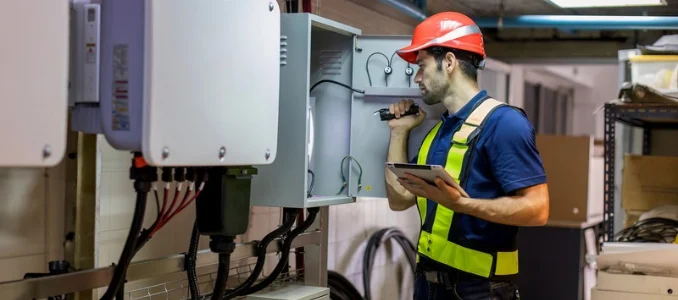
- Emphasizing Practical Experience: Industry associations point out that workers coming from operational floors already understand the nuances of production pressures, equipment behavior, and human-machine interactions. Translating this practical floor experience into formal safety competencies often yields professionals who command immediate respect from frontline workers.
- The Value of Military and Public Safety Backgrounds: Veterans and former emergency responders (such as firefighters, paramedics, and law enforcement personnel) bring invaluable baseline attributes to the OHS sector. They are accustomed to high-stakes environments, procedural discipline, incident command structures, and rigorous risk assessment. Transitioning these individuals into corporate safety roles requires upskilling them in regulatory frameworks, industrial hygiene, and ergonomics rather than teaching them how to manage crisis scenarios or assess physical danger.
- Corporate Accountability: Modern corporate governance frameworks—such as Environmental, Social, and Governance (ESG) criteria—place immense weight on workforce health and safety. Executives increasingly recognize that a failure in safety leadership can result in devastating financial, legal, and reputational consequences. Consequently, talent acquisition teams are being directed to look outside traditional boxes to ensure critical safety seats do not remain vacant.
Implications: Building the Reskilled Safety Workforce of Tomorrow
The pivot toward reskilling carries profound implications for workers, human resource departments, and the overall maturity of the OHS profession.

1. Career Mobility for Operational Workers
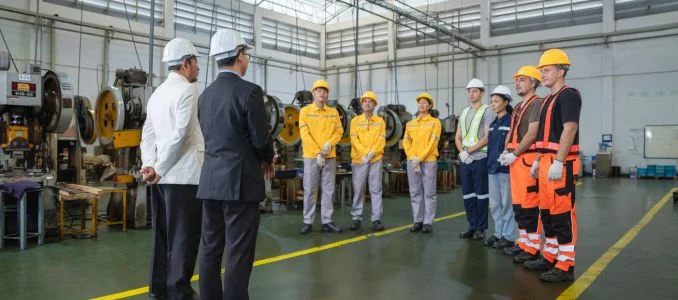
For workers currently stationed on factory floors, in logistics hubs, or on construction sites, the intentional focus on reskilling opens up clear, lucrative pathways for upward mobility. Instead of viewing operational roles as a career ceiling, ambitious employees can see a clear bridge to professional-tier safety careers through structured corporate training programs, certifications, and mentorship.
2. Redefining Safety Competencies
As reskilling becomes mainstream, the definition of what makes an "ideal" safety professional is evolving. While technical knowledge of OSHA standards, ANSI guidelines, and industrial hygiene remains paramount, equal value is now placed on transferable soft skills: emotional intelligence, operational empathy, crisis communication, and cross-functional leadership. Workers coming from public safety or military backgrounds often possess these critical competencies inherently.
3. Overcoming Implementation Challenges
Reskilling is not without its hurdles. Organizations must invest significant time and capital into developing robust internal training frameworks, covering certification costs, and providing mentorship. Furthermore, organizations must bridge the cultural gap between theoretical safety management and practical operational realities, ensuring that reskilled professionals do not lean too heavily into rigid bureaucracy at the expense of operational efficiency.

4. A Resilient Future for OHS
Ultimately, embracing reskilling as a core talent strategy will modernize the occupational health and safety profession. By blending the theoretical rigor of academic programs with the battle-tested, practical insights of reskilled operational, military, and public safety personnel, the industry can successfully close the talent gap.
As the next generation of safety leaders steps up to protect millions of workers worldwide, their diverse backgrounds will make the profession more adaptable, innovative, and resilient than ever before.