




Mastering the Balance: How Data-Driven Maintenance Budgeting Drives Plant Reliability and Organizational Alignment

By Owe Forsberg, CAMA, CMRP, VP of Consulting, TRM
Published: September 29, 2026
Main Facts
In heavy manufacturing, process industries, and biochemical plants, managing Maintenance and Reliability (M&R) budgets is one of the most complex leadership challenges an executive or manager can face. Caught between corporate demands for aggressive cost reductions and the operational imperative to keep assets running safely and efficiently, maintenance managers often find themselves fighting uphill battles against unexpected fiscal shortfalls.
According to decades of field experience shared by industry experts, successful maintenance budgeting is never merely a financial exercise; it is a vital strategic planning process that directly impacts asset reliability, plant safety, and overall operational performance. Too often, organizations fall into the trap of arbitrary budget cuts, treating maintenance as a flexible overhead expense rather than a controlled, risk-weighted investment.
To achieve sustainable financial and operational stability, organizations must transition from historical, top-down guessing games to rigorous, activity-based or zero-based budgeting. By tracking costs down to the functional location and individual asset level, leveraging subject matter expert (SME) insights, separating routine operational upkeep from multi-year capital overhauls, and sharing financial accountability across departments, manufacturing facilities can protect their bottom lines without compromising plant integrity.
Chronology
The Initiation of a Leadership Challenge
Years ago, while working as a maintenance supervisor in a complex biochemical plant, I was called into the Operations Vice President’s office. He posed a straightforward question: "Do you want to be the maintenance manager?"
Naturally, I accepted. The VP then instructed me to immediately get the maintenance budget under control. Because it was only February—just the second month of the fiscal year—I assumed the deficit couldn’t possibly be severe.

Uncovering the Budget Gap
My optimism was short-lived. Upon auditing the figures, I discovered that my predecessor had catastrophically failed to account for five full-time maintenance craftspeople in the labor budget. Furthermore, the plant was critically underfunded for external services and ongoing repairs.
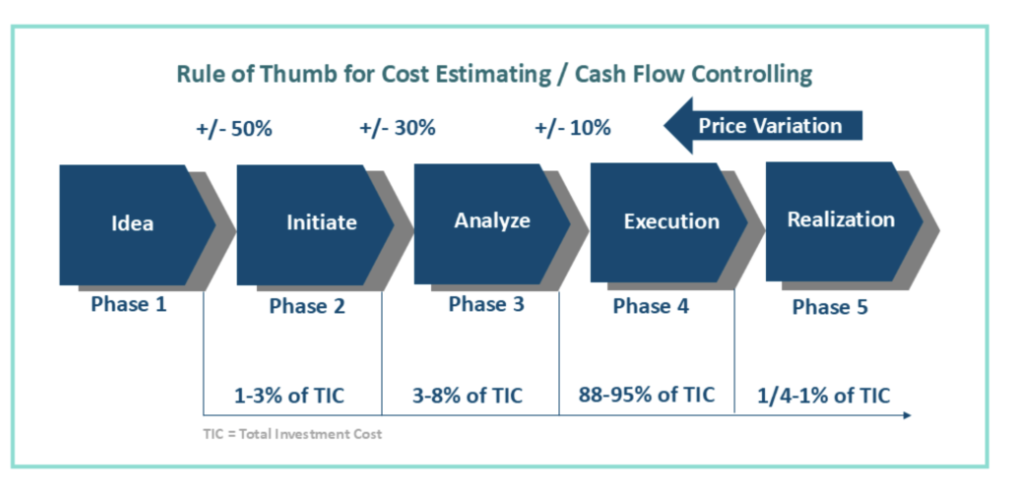
As many industrial managers know, trimming a maintenance budget under duress is a trial by fire that can quickly define a leader’s career. The budget instantly became my top operational priority. My first staff meeting with supervisors and engineers was tense; the team was understandably frustrated, feeling that an unannounced budget gap was upending their tactical plans. However, we all agreed that we needed granular data to manage our expenditures responsibly. We committed to analyzing spending patterns from previous years to build a bottom-up, activity-based budget.
Facing Further Pressure and Negotiating Risk
Months later, just as our new financial model began to stabilize the plan, the Vice President demanded an additional 3% budget cut on top of the initial shortfall. I prepared my options and returned to his office.
When I presented the savings opportunities, his response was curt: "I don’t care where you save the money—just meet the budget."
Recognizing the danger of post-hoc finger-pointing, I stood my ground. "We need to agree on the savings actions now so there is no blame later in the year."
"I’m not interested. It’s your job to save," he shot back.

"Understood," I replied calmly. "Here are the specific activities I would remove to meet the budget, ranked strictly by lowest operational risk and asset criticality."
I walked him through a list of deferrals that would directly impact plant responsiveness. He looked up, his demeanor shifting instantly from dismissive to intensely focused. "That is not acceptable, and you can leave now," he said.

I did not move. I told him I would remain seated until we mutually agreed on which activities would be postponed or cancelled. Eventually, we reached a reasonable compromise: three specific non-critical activities were deferred, and the VP agreed to source alternative funding for essential variable frequency drives (VFDs) within the operating budget. As I finally closed his office door, I heard him mutter, "Ugh, you make this so difficult!"
Supporting Data
As our turnaround efforts progressed, we recognized that financial stabilization required strict definitions and standardized frameworks across several operational domains. We categorized our budgeting processes around core quantitative principles:

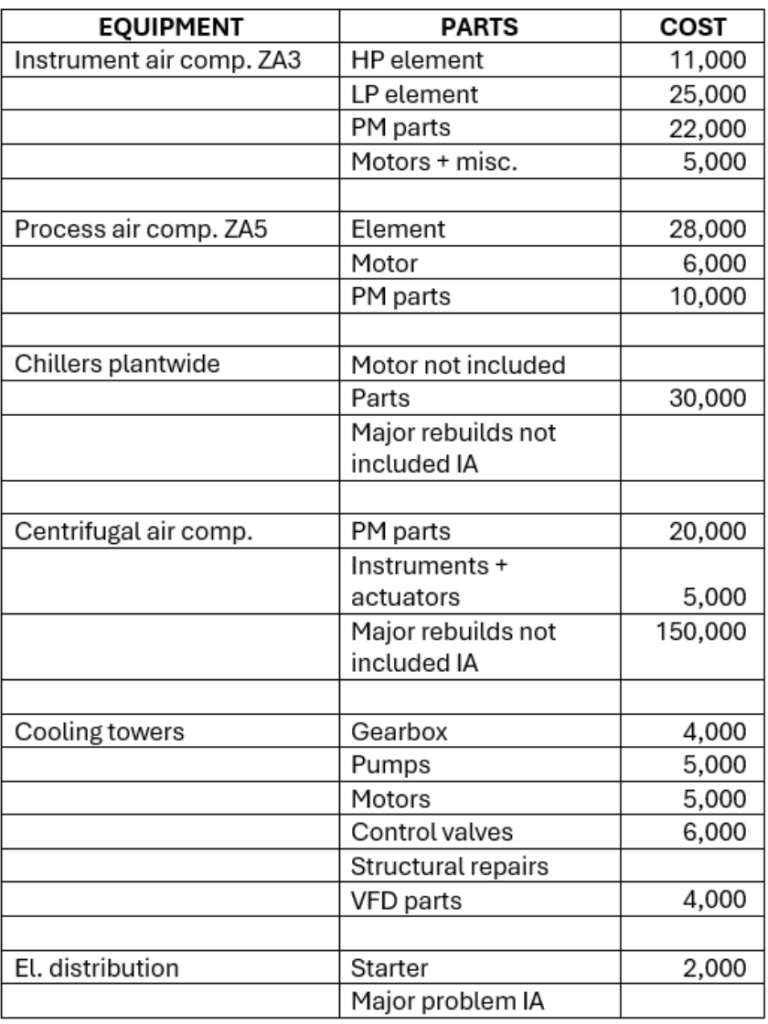
- Activity-Based Account Structures: Breaking down expenses by specific machinery, such as parts repair, direct labor, and contractor services, provided a clear view of true costs and underlying assumptions.
- The 50/50 Rule of Maintenance Cost: In heavy manufacturing and process industries, empirical data shows that roughly 50% of an asset’s maintenance cost is dedicated to internal or contractor labor, while the remaining 50% goes toward spare parts and raw materials.
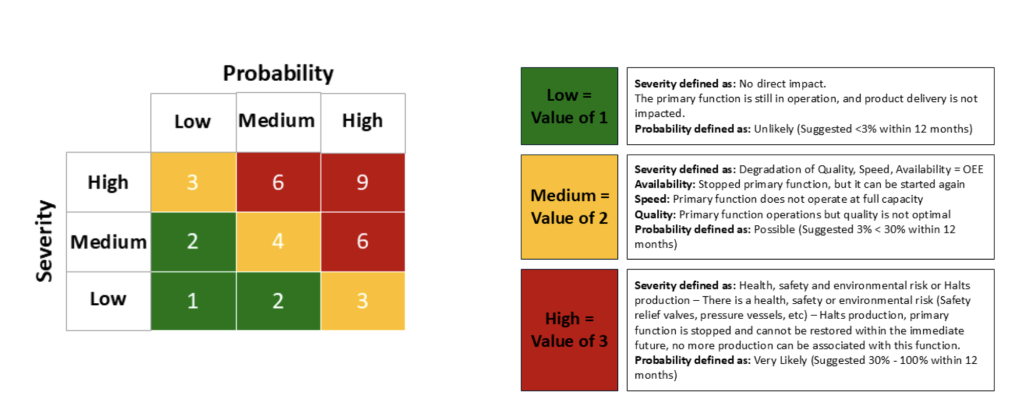
- Risk Calculation Model: Risk was codified not as an abstract concept, but as a quantifiable equation:
$$textRisk = textSeverity times textProbability$$
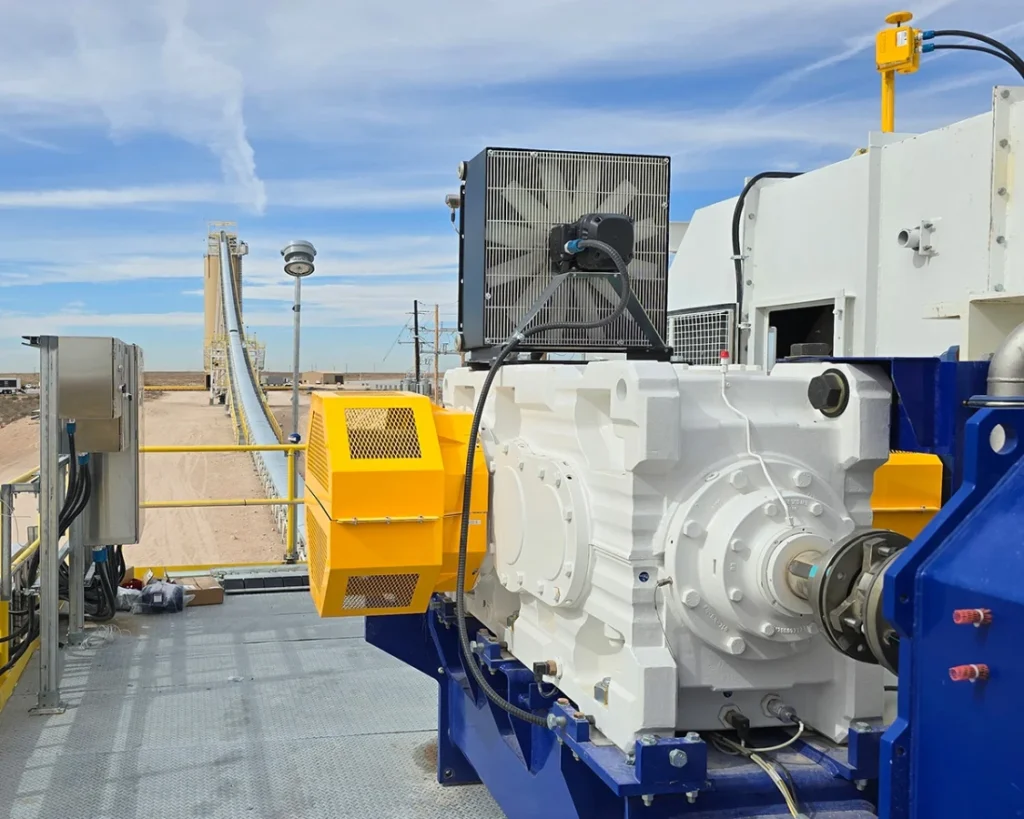
This formula allowed cross-functional teams to evaluate the impact of asset failures on safety, environmental compliance, and throughput. - Separating Operating Budgets from Capital Outlays: Major overhauls—such as a scheduled five-year teardown of a 2,000 HP centrifugal compressor costing between $500,000 and $700,000—were systematically removed from annual operating budgets. Shifting these massive swings into multi-year capital investment forecasts prevented 10% to 15% budget spikes from crippling routine preventive maintenance.
Official Responses
Effective financial governance requires breaking down historical silos between maintenance groups and operating departments. A major friction point in our facility was the tendency of operations managers to push maintenance leads into replacing aging components rather than repairing them, with the costs billed directly to the maintenance ledger.
Cross-Functional Accountability
To resolve this, I proposed a structural shift to the executive leadership team: operations managers must share direct accountability for materials spending. Once operations units were held financially responsible for their portion of the direct materials budget, every "repair versus replace" decision underwent rigorous cost-effectiveness reviews.
Furthermore, to combat the uncontrolled "minor additions" account—where operating units secretly funded small, unapproved equipment upgrades using maintenance funds—we instituted a strict Management of Change (MOC) policy. No modifications could occur unless the owning department budgeted for them in advance. As the old adage dictates: Never spend money before you have it.
Implications
The lessons forged in that biochemical plant hold profound implications for industrial facilities worldwide. Navigating budgetary constraints requires more than tactical penny-pinching; it demands a fundamental commitment to operational transparency and cross-functional alignment.

Best Practices for Your M&R Budget Playbook
- Adopt a Zero- or Activity-Based Approach: Build annual budgets from the ground up rather than inflating previous years’ numbers. Justify every labor hour and spare part based on real equipment history and condition-monitoring reports.
- Differentiate Routine Upkeep from Major Overhauls: Establish multi-year capital plans for end-of-life replacements and massive overhauls so that unpredictable high-cost events do not cannibalize daily preventive maintenance.
- Align Budgets with Business Risk: Prioritize work orders based on risk matrices developed jointly by maintenance, reliability, engineering, operations, and finance subject matter experts (SMEs).
- Manage Backlogs Transparently: Never cancel critical preventive maintenance simply to hit an arbitrary financial target. Use the work backlog as an honest communication tool to show plant leadership the explicit operational risks of deferred work.
- Share Goals Across Operating Units: Charge maintenance costs directly to operating units to foster a collaborative culture where production and reliability teams view asset health as a shared corporate responsibility.
Conclusion
Budgets will inevitably rise and fall with economic tides, but a disciplined process, honest cross-functional conversations, and an unwavering commitment to asset reliability ensure that the right work gets done. When plant leaders stand together on these foundational principles, facilities become inherently safer, more stable, and better positioned for long-term operational excellence.
Across industries, organizations turn to specialized consulting partners like TRM to put these principles into practice. By combining deep maintenance and reliability expertise with proven implementation frameworks, TRM helps industrial teams build activity-based budgets, strengthen cross-functional alignment, and optimize long-term asset performance. Whether your facility is struggling to stabilize its operating budget, modernizing its asset management processes, or developing a comprehensive reliability roadmap, expert guidance can help your team make smarter decisions and achieve measurable financial and operational results.

Contact TRM’s Senior Business Consultants today at [email protected].
Follow Owe Forsberg on LinkedIn for ongoing insights into asset reliability, equipment availability, and practical maintenance management.