


Nigeria Targets Industrial Sovereignty: The Strategic Vision for a National Metal Additive Manufacturing Hub

In a bold move to pivot away from heavy reliance on imported industrial components, Nigeria’s National Agency for Science and Engineering Infrastructure (NASENI) has unveiled an ambitious blueprint to establish the country’s first-ever Metal Additive Manufacturing (AM) Hub. This initiative represents a cornerstone of Nigeria’s broader quest for technological self-reliance, aiming to harness 3D printing technology to revitalize the domestic manufacturing landscape and bridge the gap between vast mineral wealth and industrial output.
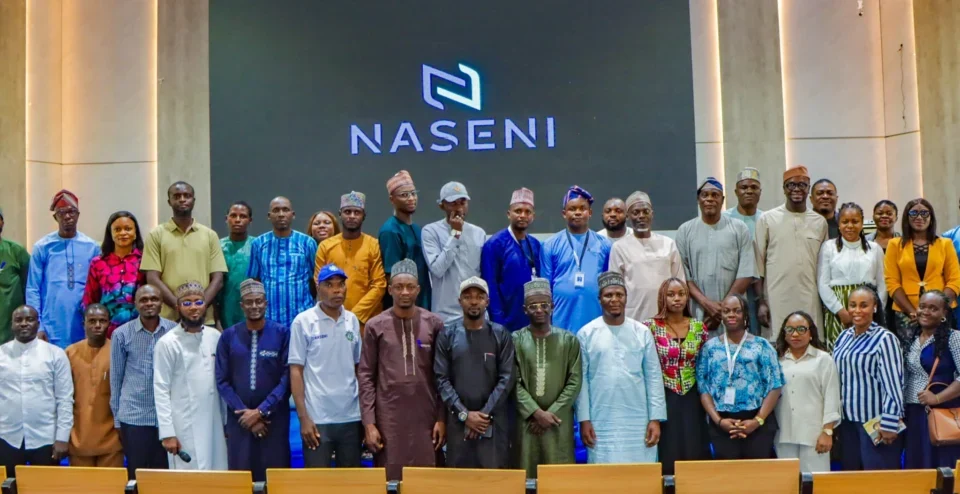
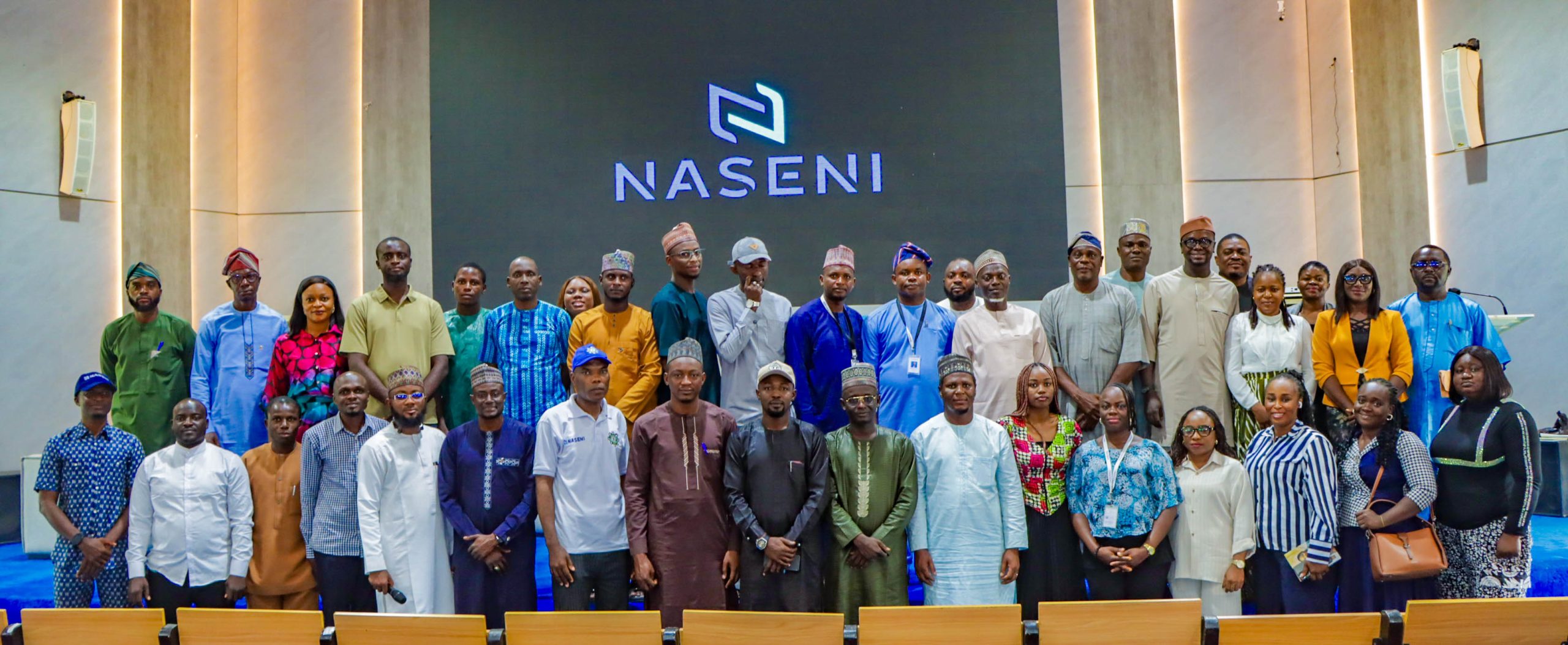
The proposal, presented at the second edition of the NASENI Science Perspective Engagement Series held in Abuja, signals a paradigm shift for a nation that currently spends significant foreign exchange on the importation of critical engine parts, medical implants, and oilfield equipment. By localizing the production of high-value metallic components, NASENI hopes to foster an ecosystem that turns raw materials into finished, high-precision products.
The Strategic Vision: A Comprehensive Manufacturing Ecosystem
At the heart of the proposal is the "Science of Layer-by-Layer Fabrication of High-Value Metallic Components," a paper conceptualized by Abdulrahman Barkindo Bawuro, the Overseeing Officer of the Advanced Manufacturing Technology Development Institute (AMTDI). The presentation, delivered by Chief Engineer Okechukwu Chijioke, articulated a vision that extends far beyond a simple 3D printing workshop.
The Hub’s Integrated Infrastructure
The proposed hub is designed to be an end-to-end facility that integrates the entire metal additive manufacturing value chain under one roof. The blueprint includes:
- Digital Design and Simulation: Establishing a robust software backbone to handle complex product design and rigorous process simulation to prevent structural failure before a single layer is printed.
- Laser Powder-Fusion Systems: Utilizing high-precision hardware to build components with structural integrity equal to, or exceeding, traditional cast parts.
- Powder Processing: Dedicated facilities for the atomization, recovery, and recycling of metal powders, ensuring a sustainable production cycle.
- Post-Processing and Quality Assurance: Advanced surface finishing and non-destructive testing (NDT) to ensure that manufactured components meet international safety and performance standards for aerospace, automotive, and medical applications.
Bridging the Gap: The Minerals-to-Manufacturing Pipeline
A critical aspect of the NASENI proposal is the strategic link between Nigeria’s vast, untapped solid mineral reserves and the requirements of the additive manufacturing industry. Currently, much of the metal powder required for global 3D printing is imported from specialized markets.
Bawuro’s vision posits that Nigeria can leverage its own mineral resources—such as iron, titanium, and aluminum ores—to produce the specialized metal powders required for high-end manufacturing. By domesticating this process, the country stands to move up the value chain. Instead of exporting raw ores and importing expensive, finished components, Nigeria could retain the value-add within its borders, creating thousands of high-skilled jobs in metallurgical engineering, computational design, and additive manufacturing.
This integration would essentially transform Nigeria from a consumer of industrial products into a producer, shielding the economy from the volatility of global supply chain disruptions that have historically plagued the nation’s industrial sector.
Chronology of Development: From Concept to Reality
While the proposal is still in its infancy, it follows a logical progression of industrial policy under the current NASENI leadership.
- Phase I: Intellectual Foundations: The recent Science Perspective Engagement Series served as the primary forum for introducing the concept to the scientific community and potential private sector stakeholders.
- Phase II: Infrastructure Design: NASENI is currently in the planning stage, defining the technical requirements for the facility.
- Phase III: Public-Private Partnership (PPP) Formation: The agency has emphasized that it cannot build this ecosystem alone. The proposed business model relies on the government providing the "enabling infrastructure"—the physical space, stable power, and regulatory framework—while private firms contribute specialized equipment, technical proprietary knowledge, and venture capital.
- Phase IV: Scaling and Implementation: The final phase involves the establishment of the hub, followed by the rollout of localized training programs to create a workforce capable of managing sophisticated AM equipment.
Global Context: Lessons from India and the UK
Nigeria’s aspiration to formalize an additive manufacturing strategy places it in the company of global powers that have already identified 3D printing as a key driver of 21st-century economic competitiveness.
The Indian Model: NCAM
In 2022, India’s Ministry of Electronics and Information Technology launched the National Strategy for Additive Manufacturing. This strategy established the National Centre for Additive Manufacturing (NCAM), a body tasked with achieving 50 India-specific AM technologies and injecting $1 billion into the nation’s GDP through 3D printing. India’s success has been rooted in clear, measurable targets and the centralization of research.
The UK Roadmap: AM UK
Similarly, the United Kingdom’s AM UK National Strategy was developed as a 44-page roadmap designed to keep the UK competitive in high-value manufacturing. By aligning government investment with industry input, the UK ensured that its AM efforts were directly responsive to the needs of the aerospace and automotive sectors.
NASENI’s proposal, while ambitious, currently lacks the formal "apex body" and the granular, multi-year targets found in the Indian or British models. However, the agency’s engagement series indicates that they are actively seeking the collaborative input necessary to formalize such a strategy.
Economic and Industrial Implications
The implications of a successful Metal Additive Manufacturing Hub in Nigeria are profound.
1. Reducing Import Dependence
Nigeria’s manufacturing sector has long suffered from the high cost and long lead times associated with importing spare parts for machinery. Whether for the oil and gas sector—which requires specialized, high-heat-resistant components—or the agricultural sector, the ability to "print on demand" would eliminate the need for massive inventory stocks and reduce the downtime caused by broken equipment.
2. Job Creation and Skill Development
The transition to additive manufacturing necessitates a new generation of workers. This initiative will drive the need for experts in computer-aided design (CAD), material science, and machine maintenance. By partnering with universities and technical colleges, the hub could become a center for specialized vocational training, helping to solve the persistent youth unemployment crisis in the technical sectors.
3. Strengthening Strategic Sectors
The industries identified by Bawuro—aerospace, medical implants, automotive, and oilfield equipment—are all strategic pillars for Nigeria’s future development.

- Healthcare: The ability to 3D print patient-specific medical implants could revolutionize local orthopedic and dental surgery.
- Energy: The oil and gas industry is the lifeblood of the Nigerian economy; localized production of turbine parts and valve components could significantly increase operational efficiency.
Official Perspectives: The Path Forward
During the closing session of the engagement series, key NASENI officials emphasized that the discussion was not merely academic. Hassan Bakare, Deputy Director and Head of Research and Laboratory Development, described the series as a practical, problem-solving forum.
"We are moving from theory to execution," noted Oladipo Dele Kayode, Deputy Director of NanoBio. He explicitly challenged the participants—comprising engineers, scientists, and industrial partners—to transition these discussions into concrete, scalable innovations.
Despite the optimism, the absence of a disclosed timeline, specific funding allocations, or a chosen location for the hub suggests that the project is still in the "pre-feasibility" stage. Industry analysts note that for this to move forward, the Nigerian government will need to provide strong legislative support, potentially through tax incentives for private firms that invest in the hub’s equipment.
Conclusion: A New Frontier for Nigerian Engineering
The journey toward establishing a National Metal Additive Manufacturing Hub is fraught with challenges, including the need for a stable power supply, the development of a highly skilled technical workforce, and the creation of a reliable supply chain for high-purity metal powders.
However, the vision presented by NASENI is a clear acknowledgment that Nigeria can no longer afford to be a spectator in the global industrial revolution. By embracing additive manufacturing, the nation is not just buying a printer; it is buying a stake in the future of high-value, decentralized production. If executed correctly through a robust public-private partnership, the hub could become the heartbeat of a new, modernized Nigerian industrial sector, proving that the country has the technical talent and the strategic will to compete on the global stage.
As the agency moves toward the next steps of this initiative, the eyes of the domestic industrial sector will be on Abuja, waiting for the first tangible sign of the infrastructure that will print the future of Nigeria.