

Tulsa Ascendant: Park Aerospace Corp. Fuels City’s Aerospace Renaissance with $65M Expansion

The landscape of American aerospace manufacturing is shifting, and Tulsa, Oklahoma, is firmly positioning itself at the epicenter of this transformation. In a move that underscores the city’s evolving status as a global hub for aviation innovation, Park Aerospace Corp.—a leader in high-performance composite materials—has announced a major expansion at Tulsa International Airport (TUL). The company plans to construct a state-of-the-art, 18-acre manufacturing facility, marking a $65 million investment that promises to anchor the airport’s North Development Area for decades to come.
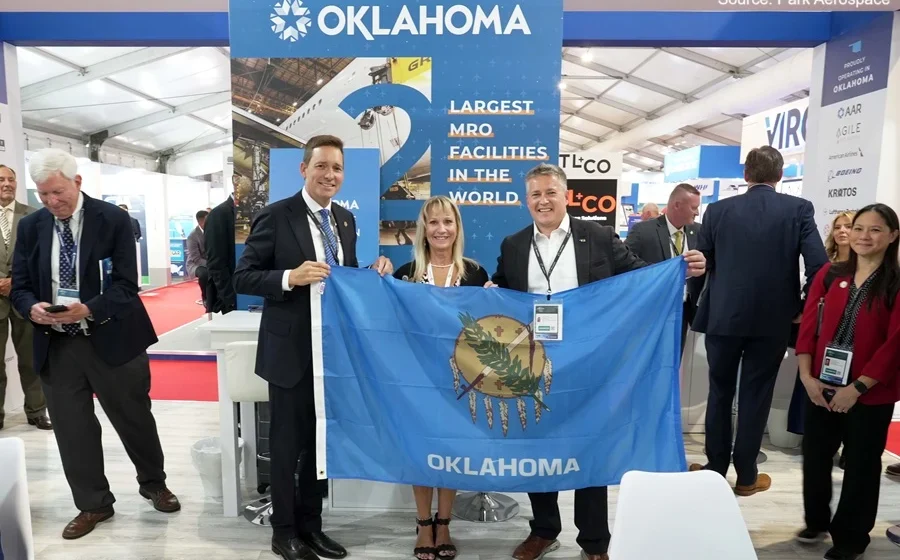
This announcement, unveiled on the international stage at the Farnborough International Airshow in Hampshire, England, serves as more than just a corporate expansion; it is a testament to the synergistic power of Tulsa’s talent pipeline, infrastructure, and pro-business environment.
The Core Investment: A New Chapter for Park Aerospace
For Park Aerospace Corp., the Tulsa facility is a milestone that bridges a storied past with an ambitious future. Established in 1954 in a humble garage in Woodside, Queens, the company has spent over seven decades refining its expertise. With more than 50 years of dedicated service to the aerospace and defense sectors, Park Aerospace has become a critical link in the supply chain for the world’s most demanding commercial and military applications.
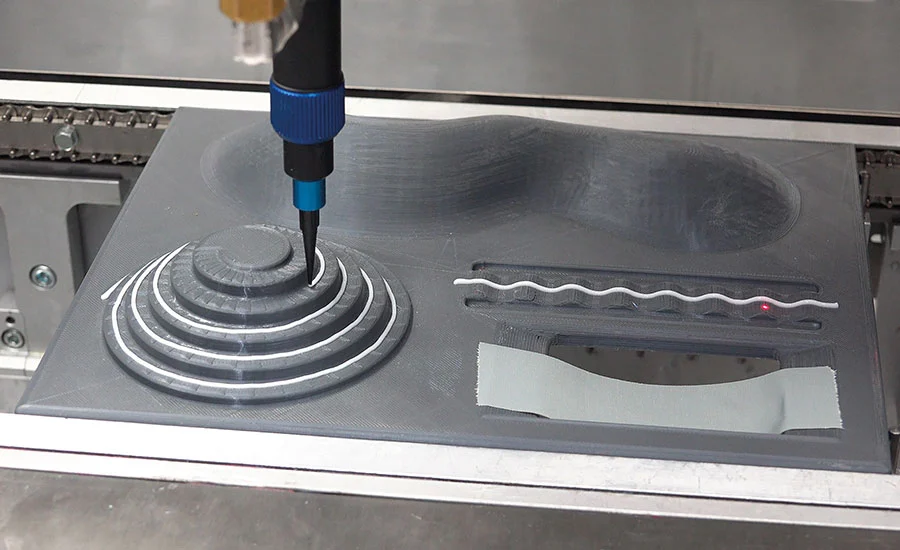
The new facility at TUL, which is slated to break ground shortly, represents a strategic move to scale production capabilities. Spanning 18 acres, the plant will focus on advanced composite materials—the lightweight, high-strength substances essential to the next generation of fuel-efficient aircraft and advanced spacecraft.
Construction is expected to follow a multi-year timeline, with the facility projected to reach completion by 2028. Beyond the structural steel and high-tech machinery, the investment is a significant human capital win for the region: the company expects to create over 100 high-skilled jobs, adding to the specialized workforce that already defines Tulsa’s economy.
Chronology of an Aerospace Powerhouse
To understand the weight of Park Aerospace’s decision, one must look at the historical trajectory of Tulsa’s aviation sector. For nearly a century, the city has functioned as a cornerstone of American flight, beginning with early commercial aviation and evolving through the mid-20th century into a hub for heavy maintenance, repair, and overhaul (MRO) operations.
- 1920s–1950s: Tulsa establishes its identity as an aviation city, anchored by its strategic central location and early investment in airfield infrastructure.
- Late 20th Century: The city pivots toward advanced engineering and specialized manufacturing, moving beyond simple maintenance into high-value technological assembly.
- 2020–2023: The airport initiates the aggressive development of its "North Development Area," branding it as a dedicated campus for modern aerospace firms.
- 2024: A breakout year for TUL. The airport attracts a flurry of high-profile tenants, including Agile Space Industries, which brought propulsion testing and manufacturing to the site, and Quantum Space, which selected Tulsa for a cutting-edge spacecraft manufacturing facility.
- July 2024: During the Farnborough International Airshow, Park Aerospace Corp. officially announces its $65 million investment, signaling that the momentum of the previous three years has reached a new velocity.
The Ecosystem Advantage: Why Tulsa?
The selection of Tulsa by a global player like Park Aerospace is rarely a product of land availability alone. While the 700 acres of developable space at TUL are an attractive asset, industry leaders are increasingly prioritizing the "collaborative ecosystem."
The Talent Pipeline
Tulsa’s ability to attract Park Aerospace is rooted in a robust educational framework. The city has invested heavily in a tiered workforce development model. High schools, career technology centers, and collegiate programs work in tandem to provide a steady stream of graduates trained in composite manufacturing, precision engineering, and aviation maintenance. This "cradle-to-career" pipeline ensures that when a company like Park Aerospace moves in, they are not just buying land—they are gaining access to a pre-trained workforce.
Strategic Infrastructure
TUL provides more than just runways. Its integrated logistics and supply chain networks allow for the seamless movement of raw materials and finished goods, a critical requirement for composite manufacturers who must manage delicate, temperature-sensitive, and time-critical inventory.
Collaborative Synergy
The "cluster effect" is alive and well at TUL. By co-locating near industry stalwarts like Lufthansa Technik Component Services, newer entrants like Agile Space Industries, and innovators like Quantum Space, companies can share knowledge, participate in joint research and development, and foster a localized supply chain that reduces lead times and logistics costs.
Official Perspectives: A Vision for the Future
The reception of Park Aerospace into the Tulsa community has been one of high-level endorsement, highlighting the collaborative effort between local, state, and airport leadership.
Brian Shore, Chairman and CEO of Park Aerospace Corp., reflected on the significance of the expansion: "Park has come a very long way since we started in 1954 with almost nothing in that little garage in Woodside, Queens, but, to us, our new home at the Tulsa International Airport represents an exciting new beginning for our Company."
Alexis Higgins, A.A.E., CEO of Tulsa Airports Improvement Trust, emphasized the strategic intent behind the airport’s development model: "Companies don’t choose a location simply because land is available. They choose places where they can find talent, infrastructure, and partners who are invested in their success. That’s exactly what we’ve built at Tulsa International Airport."
Oklahoma Governor Kevin Stitt framed the investment within the broader scope of the state’s economic competitiveness: "This investment is another powerful example of Oklahoma’s aerospace industry continuing to grow and compete on a global stage. Park Aerospace’s decision to expand in Tulsa reflects the strength of our workforce, our pro-business environment, and the momentum we’re building as a destination for advanced aerospace manufacturing."
Tulsa Mayor Monroe Nichols echoed these sentiments, looking toward the legacy of the city: "Tulsa has been an aviation city for generations, and today we’re writing the next chapter of that story. Park Aerospace’s investment reflects the confidence global aerospace companies have in our workforce, our business community, and our future."
Implications for the Future: Beyond the 2028 Completion
The arrival of Park Aerospace is not an isolated event; it is a signal of the long-term viability of the Tulsa aerospace cluster. As the global aerospace market shifts toward lighter materials to meet stringent carbon-emission targets and fuel-efficiency standards, companies specializing in composites—like Park—will find themselves in high demand. By securing a footprint in Tulsa, Park Aerospace is positioning itself to be a primary supplier for the next generation of aircraft that will pass through the skies over the next 50 years.
Economic Multipliers
The $65 million capital investment will have a cascading effect on the local economy. Beyond the direct employment of 100+ high-wage workers, the construction phase will stimulate local trade industries, and the facility’s ongoing operational needs will create demand for local logistics, maintenance, and administrative services.
A Model for Regional Development
Tulsa’s strategy of designating specific land parcels at TUL for aerospace-only development serves as a model for other mid-sized cities. By avoiding industrial dilution and keeping the focus on a singular, high-value industry, the city has created a brand that is synonymous with aerospace excellence.
With 700 acres still available for development, the airport is far from capacity. The success of the North Development Area suggests that the "next chapter" mentioned by Mayor Nichols will be characterized by sustained growth, technological diversification, and an increasingly prominent role for Oklahoma on the global aerospace stage.
As the ground is prepared for the new Park Aerospace facility, it is clear that Tulsa is no longer just a place where planes land—it is a place where the future of flight is being built. For more information on the evolving landscape at the airport, stakeholders and the public can monitor updates at www.flytulsa.com or explore the innovative materials shaping the industry at parkaerospace.com.