





Neptune Medical Secures FDA Clearance for Triton 1: A New Frontier in Robotic Endoscopy

The landscape of gastroenterology is undergoing a significant transformation. Neptune Medical, a Burlingame, California-based medical technology firm, officially announced this week that it has secured U.S. Food and Drug Administration (FDA) clearance for its flagship Triton 1 System. This milestone marks a pivotal transition for the company, moving its innovative robotic platform from the clinical trial phase into the regulatory-approved domain, signaling a potential shift in how physicians approach the screening, diagnosis, and treatment of colorectal conditions.
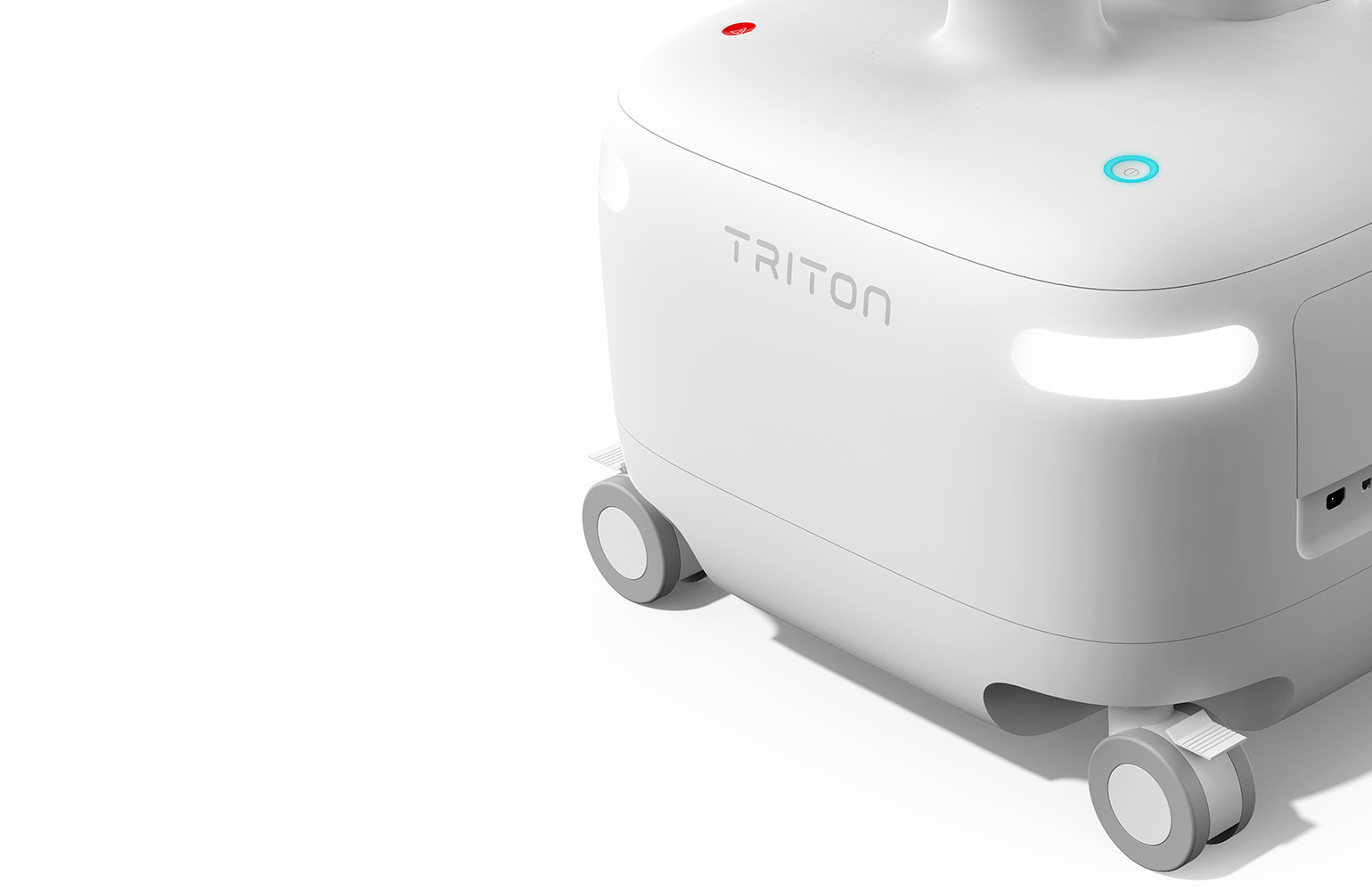
The Triton 1 System is a specialized robotic endoscopy platform engineered to address the persistent mechanical limitations of traditional colonoscopy. By offering enhanced stability, precision, and control, the system aims to assist endoscopists in navigating the complex anatomy of the human colon more effectively, ultimately seeking to improve the gold-standard procedure for colorectal cancer prevention.
The Chronology of Innovation: From Concept to Clearance
The path to the Triton 1’s FDA approval is a testament to the rapid maturation of soft-robotics in the medical field. Neptune Medical has been strategically positioning itself at the intersection of robotics and gastroenterology for several years.
In 2024, the company reached a major financial and operational inflection point by securing $97 million in Series D funding. This capital infusion was not merely intended for product development but also facilitated the strategic spin-out of Jupiter Endovascular Inc. By isolating its vascular technology into a separate subsidiary, Neptune Medical was able to concentrate its full intellectual and financial resources on the Triton platform.
Following the financing success, the company initiated the CARE 1 clinical study—a first-in-human trial designed to test the safety and efficacy of the platform. The results, presented earlier this year, provided the empirical backbone for the FDA submission. The successful conclusion of this trial, combined with the subsequent regulatory approval, represents a rapid deployment cycle for a complex medical robotic system. Moving forward, Neptune Medical plans to leverage this clearance to begin a phased rollout, gathering real-world data from clinicians to refine the platform for future iterations.
Supporting Data: Why Robotics Matter in the Colon
The urgency for improved colonoscopy technology is underscored by the rising incidence of colorectal cancer (CRC). As the second leading cause of cancer-related death in the United States, CRC has seen a concerning rise in prevalence among adults under the age of 50.
Current colonoscopy methods, while effective, are inherently limited by the physical constraints of the manual scope. Gastroenterologists often struggle with scope instability, which can lead to incomplete visualization of the colon walls. In clinical terms, this limitation is linked to "missed" adenomas—precancerous polyps that remain undetected during a procedure, significantly increasing the long-term risk of cancer development.
The CARE 1 Clinical Trial Outcomes
The data generated from the CARE 1 study offers a compelling argument for the adoption of robotic assistance in GI procedures. The study results highlighted several key performance metrics:
- Clinical Success: The system achieved a 100% cecal intubation rate, meaning every patient in the trial was successfully navigated to the end of the colon.
- Safety: There were zero reported adverse events, establishing a strong safety profile for the initial human deployment.
- Diagnostic Superiority: The Triton 1 system demonstrated an adenoma detection rate (ADR) of 54.2%. This figure significantly outperforms the established industry benchmark of 35%, suggesting that the robotic platform’s enhanced control and stability enable a more thorough examination of the colonic mucosa.
- Ergonomic Efficiency: Perhaps most notably, the study measured the physical burden on the endoscopist using the NASA-TLX scale. Results showed a 67% reduction in physical burden compared to traditional manual procedures, with no need for patient repositioning or manual abdominal pressure, which are common pain points in standard practice.
Official Responses and Strategic Vision
The leadership at Neptune Medical views the FDA clearance not as a finish line, but as a gateway to broader clinical integration.
"Triton has the potential to fundamentally transform colonoscopy, creating a better experience for both physicians and their patients," said Alex Tilson, founder and CEO of Neptune Medical. "Achieving regulatory clearance in the U.S. brings us one step closer to that reality. We are using this generation of the Triton system to build on the evidence from our recent trial and to learn from endoscopists how robotics should integrate into their workflow—insights that will directly shape our next-generation platform."
The medical community, represented by early adopters like Dr. Jason B. Samarasena, M.D., Chief of the Division of Gastroenterology and Hepatology at the University of California, Irvine, echoes this optimism. Reflecting on his experience with the CARE 1 trial, Dr. Samarasena noted, "Bringing robotics to lower GI procedures is an exciting prospect. Triton showed us the possibility of one system that can screen and treat anywhere in the colon, efficiently, thoroughly, and with minimal burden."
Implications for the Future of Gastroenterology
The introduction of the Triton 1 System has broad implications for both clinical outcomes and the economics of healthcare.
1. Clinical Implications: Standardizing Excellence
The primary clinical promise of the Triton 1 is the reduction of variance. In the current model, the quality of a colonoscopy can be highly dependent on the skill, fatigue levels, and physical stamina of the individual endoscopist. By introducing a robotic layer that provides stabilization and advanced navigation, the Triton 1 seeks to "level the playing field," allowing a broader range of practitioners to achieve the high detection rates typically seen only in the most experienced specialists.
2. Workflow and Ergonomics
The 67% reduction in physical burden is a critical factor for the longevity of the medical workforce. Gastroenterologists face high rates of musculoskeletal injury due to the repetitive, high-force nature of traditional endoscope manipulation. A system that alleviates this strain could potentially extend the careers of experienced physicians while simultaneously improving the precision of the procedure. Furthermore, the ability to conduct complex interventions—such as endoscopic mucosal resections (EMRs) and endoscopic submucosal dissections (ESDs)—with greater control could shift more of these procedures from hospital-based surgical settings to outpatient centers.
3. Market and Industry Impact
Neptune Medical’s successful trajectory puts it in direct competition with established giants in the endoscopy space. By proving that robotic-assisted endoscopy is not only feasible but superior in key diagnostic metrics, the company is likely to trigger an arms race among medical device manufacturers to integrate similar technologies. The $97 million in funding and the clean break from its vascular division suggest that Neptune is positioning itself to be a long-term player in the GI robotic space, potentially leading to further acquisitions or strategic partnerships as the platform scales.
4. Patient Experience
Finally, the implications for the patient are profound. Increased ADRs mean more precancerous lesions are identified and removed in a single session. With the system’s design focused on "easy and comfortable navigation," the patient experience may be significantly improved, potentially reducing recovery times and increasing patient compliance with screening recommendations.
Conclusion
As Neptune Medical prepares for the commercial launch of the Triton 1, the medical community will be watching closely to see how the system performs outside the controlled environment of a clinical trial. If the device maintains its high adenoma detection rates and demonstrates consistent reliability in diverse clinical settings, it could well become the new standard of care.
In an era where early detection is the most effective weapon against cancer, the Triton 1 System represents a significant technological leap. By marrying the precision of robotics with the vital needs of gastroenterology, Neptune Medical is not just upgrading a tool—they are fundamentally reimagining the future of colon health. As the industry looks toward the next generation of endoscopy, the success of the Triton 1 will likely serve as the benchmark for how innovation can effectively bridge the gap between complex engineering and patient-centered care.