






Mastering the Balance: A Leadership Blueprint for Reliable Maintenance Budgeting

By Owe Forsberg, CAMA, CMRP, VP of Consulting, TRM
Published: September 29, 2026
Main Facts
In the high-stakes world of industrial manufacturing and process plants, few leadership trials are as universally dreaded—or as critical to organizational survival—as managing and cutting a maintenance budget. Far from being a mere back-office accounting exercise, maintenance budgeting directly governs plant safety, operational uptime, and long-term asset integrity.
According to industrial asset management experts, effective maintenance budgeting requires transitioning away from arbitrary percentage cuts toward transparent, activity-based, and zero-based budgeting models. By grounding financial planning in equipment-level data, quantifying operational risks, distinguishing between routine upkeep and multi-year capital overhauls, and fostering a true cross-functional partnership between maintenance and operations, plant leaders can safeguard reliability without sacrificing financial discipline.
Chronology: A Maintenance Supervisor’s Trial by Fire
Years ago, stepping into the role of maintenance supervisor at a complex biochemical plant, my career trajectory changed abruptly when I was summoned into the Operations Vice President’s office. The conversation was deceptively straightforward: “Do you want to be the maintenance manager?”
“Of course,” I responded, eager for the promotion. The VP’s counter-condition was immediate: get the budget under control. Because it was only February—just the second month of the fiscal year—I assumed the corrective measures wouldn’t be overly dramatic.
My optimism vanished quickly. Upon investigating the financial records, I discovered that my predecessor had failed to budget for five full-time maintenance craftspeople, leaving a gaping personnel deficit compounded by a severe shortage of service funds.

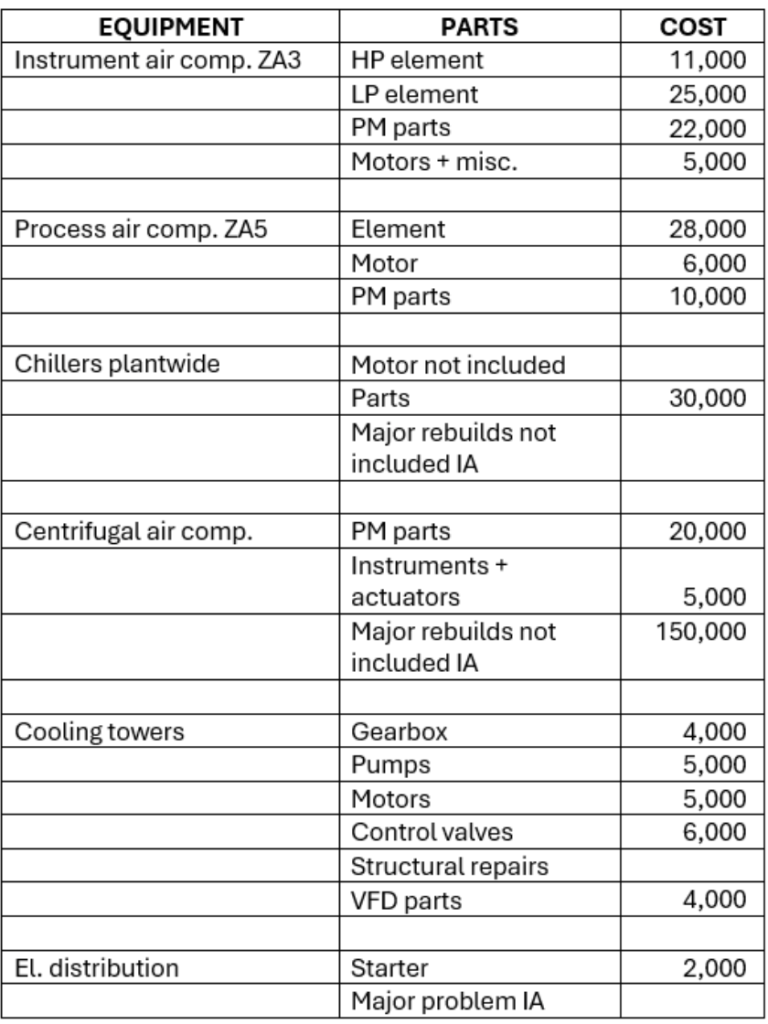
The first staff meeting with supervisors and engineers was fraught with tension. Frustrated by a budget gap that threatened to derail their operational plans, the team was initially resistant. However, recognizing the necessity of data-driven stewardship, we agreed to pull historical spending patterns spanning the previous several years to construct a bottom-up, activity-based budget.
Just as our newly stabilized plan began taking root a few months later, leadership threw another curveball: a mandate to slash an additional 3% across the board.
Armed with a detailed impact list, I returned to the VP’s office. When pressed to find savings indiscriminately, I held my ground, stating, "We need to agree on the savings actions now so there is no finger-pointing at the end of the year." When he retorted that cost-reduction was solely my problem, I walked him through a targeted list of potential activity removals evaluated strictly by lowest operational risk and criticality.
Faced with concrete operational exposures, the executive engaged. Ultimately, we reached a sensible compromise: three minor activities were deferred, and the vital variable frequency drives (VFDs) were securely funded through the operating budget. As I closed the door, I heard him mutter a classic executive concession: "Ugh, you make this so difficult!"
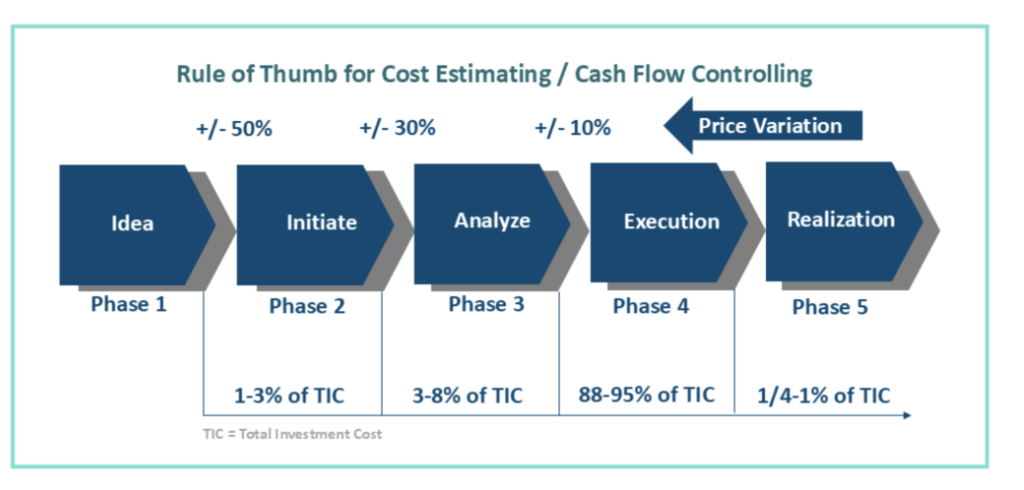
Supporting Data: Best Practices for an M&R Budget Playbook
Navigating industrial maintenance finance demands structural discipline. Based on decades of turnaround and consulting experience across process industries, several foundational best practices govern high-performing reliability budgets:
1. Zero-Based and Activity-Based Budgeting
Rather than blindly indexing the previous year’s figures—a practice that bakes in historical inefficiencies—a zero-based maintenance budget is built from the ground up every cycle. Every labor hour, material item, and contractor service cost must be rigorously justified by actual equipment performance data and planned work requirements.

2. Differentiating Routine Maintenance from Major Overhauls
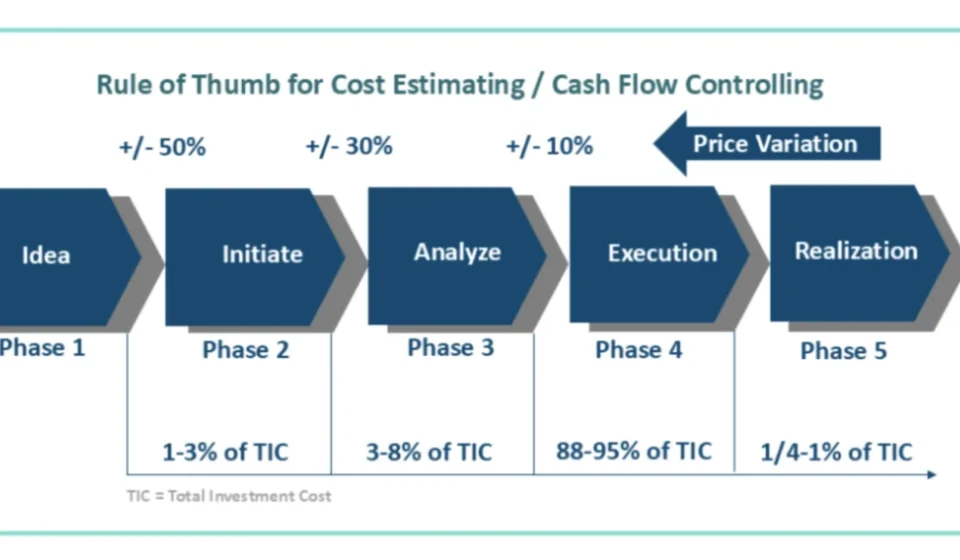
One of the most common drivers of budget volatility is the inclusion of multi-year capital-intensive overhauls inside annual operating budgets. For example, scheduling a routine three-to-five-year overhaul on a 2,000-horsepower centrifugal compressor can cost between $500,000 and $700,000. Burying these figures in standard monthly accounts causes annual maintenance spending to swing wildly by 10% to 15%. Establishing a separate funding stream for major overhauls stabilizes annual cash flow and prevents the dangerous deferral of routine upkeep.
3. Aligning the Budget with Business Risk
Maintenance activities must be prioritized through a quantified lens of business risk:
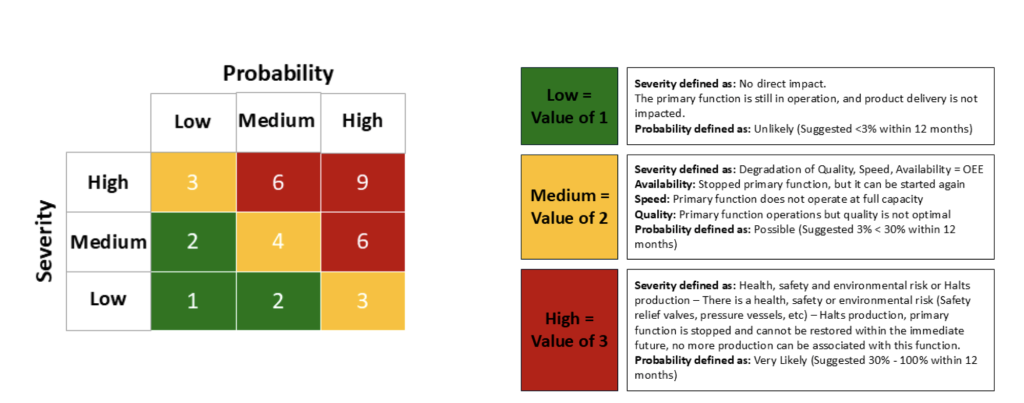
$$textRisk = textSeverity times textProbability$$
Risk evaluations must account for impacts on safety, environmental compliance, and throughput. Cross-functional teams comprising Subject Matter Experts (SMEs) from maintenance, operations, engineering, and finance must collaborate using a standardized criticality matrix to ensure that limited financial resources protect the organization’s most vital assets.

4. Managing Spare Parts and Obsolescence
Inventory value must be heavily scrutinized. In heavy manufacturing, about 50% of a typical equipment repair cost is labor, and 50% is parts and materials. Stocking decisions should rely strictly on quantified risk assessments via a review committee. Furthermore, organizations should proactively budget for inventory obsolescence by writing off unusable stock rather than allowing dead capital to sit indefinitely in warehouses.
5. Defining Work-Order Priorities and Backlog Control
When budgets are tight, critical work must never be cancelled out of hand. Instead, the maintenance backlog serves as an essential administrative tool. All equipment deficiencies must generate formal work requests so that the backlog reflects the true operational workload. Deferring work must be a transparent, shared decision with operations, ensuring leadership fully comprehends the associated reliability risks.

Official Responses and Cross-Functional Alignment
A recurring friction point in multi-unit plants is the cultural divide between operations and maintenance. Historically, operations teams view maintenance purely as a reactive service provider—quick to demand part replacements rather than proper repairs, often pulling funds straight out of the maintenance ledger.
To combat this, leading organizations implement radical cross-functional accountability:

- Shared Financial Goals: Operating unit managers must share direct responsibility for direct materials and maintenance spending. Charging maintenance costs directly to individual operating units fundamentally changes behavior, transforming operations partners into active guardians of asset health.
- MOC and Minor Additions Governance: Uncontrolled "minor additions" accounts frequently blow past budgets within the first two quarters as operating departments utilize maintenance dollars for unbudgeted facility upgrades. Implementing strict Management of Change (MOC) policies ensures that any plant modifications are pre-budgeted and formally approved by department heads.
- Transparent Communication: Plant managers and leadership teams must be kept explicitly informed regarding what work is included in the budget, what is deferred, and the precise risk implications of those deferrals.
Implications for Industry
Effective maintenance budgeting is much more than a routine accounting hurdle; it is a foundational strategic planning process that dictates plant safety, regulatory compliance, and overall asset health.
When organizations rely on arbitrary cuts without operational alignment, equipment reliability plummets, unplanned downtime spikes, and safety margins erode. Conversely, adopting an activity-based budgeting framework—bolstered by cross-functional cooperation, disciplined backlog management, and clear differentiation between routine care and major capital investments—transforms maintenance from a cost center into a strategic competitive advantage.
As industrial facilities navigate modern operational challenges, consulting firms like TRM continue to help organizations bridge the gap between financial constraints and reliability engineering. By implementing structured asset management roadmaps, activity-based cost templates, and rigorous change management practices, plant teams can ensure their operations remain safe, stable, and prepared for future demands.
Appendix A: Summary Checklist for Reliable Maintenance Budgets
- [x] Zero- or Activity-Based Foundation: Build budgets from actual equipment requirements rather than historical percentage adjustments.
- [x] Detailed Account Templates: Utilize data on parts usage, labor rates, and contractor fees mapped down to individual functional locations.
- [x] Macro-Timing Alignment: Account for seasonal shutdowns, statutory inspections, and turnaround schedules.
- [x] Separation of Capital and Expense: Isolate multi-year overhauls and end-of-life replacements from annual operating budgets.
- [x] Risk-Based Prioritization: Use Severity $times$ Probability matrices driven by cross-functional SME input.
- [x] Transparent Backlog Management: Keep deferred work visible to demonstrate the true cost of budget constraints.
- [x] Shared Operations Accountability: Charge maintenance expenses directly to operating units to curb wasteful replacement habits.
For more insights on asset management, reliability, and maintenance optimization, contact TRM’s Senior Business Consultants at [email protected] or follow Owe Forsberg on LinkedIn.