





Cultivating a Culture of Safety: State Officials Spotlight Tractor Operation and Rural Road Hazards During National Farm Safety and Health Week

By Chelsey Arries | Enriched & Expanded Report
Published in coordination with Occupational Health & Safety
Main Facts: The High Stakes of Agricultural Safety
Agriculture remains one of the most hazardous industries in the United States, defined by heavy machinery, unpredictable terrain, and grueling physical demands. As part of the nationwide observance of National Farm Safety and Health Week, state safety authorities—led prominently by the Washington State Department of Labor & Industries (L&I)—have issued urgent directives to agricultural employers. The core message is clear: strict adherence to training protocols, advanced equipment safeguards, and comprehensive rural roadway awareness are no longer optional best practices; they are critical lifelines designed to reverse alarming injury and fatality trends.
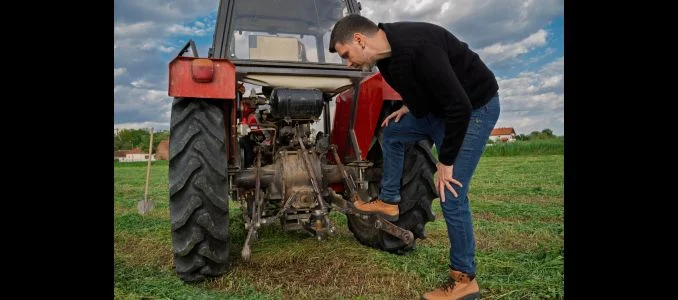
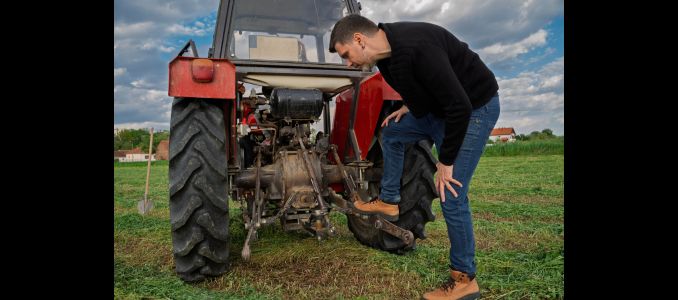
At the center of this safety push are tractors and heavy agricultural vehicles. According to comprehensive data from L&I and federal safety agencies, tractor-related incidents represent the absolute leading cause of both fatal and non-fatal injuries among farmworkers, farm owners, and agricultural families. These devastating incidents typically manifest in four primary ways:
- Rollovers (Overturns): Often occurring on slopes, ditches, or uneven terrain when a tractor flips backward or sideways.
- Runovers: Happen when operators or bystanders fall from moving equipment or are struck because they were invisible in blind spots.
- Power Takeoff (PTO) Entanglements: Involve high-speed rotating shafts catching loose clothing, hair, or limbs, resulting in catastrophic trauma.
- Attachment Failures: Encompass issues with hitching, hydraulic implements, and towed loads breaking loose during transport.
In response to these pervasive risks, state safety officials are pushing a multi-pronged prevention strategy. This includes deploying specialized, brief video training modules tailored for employees working around farm vehicles, mandating thorough operator education, upgrading aging machinery, and integrating equipment safety directly into broader employer accident prevention programs.
Chronology: The Evolution of Farm Safety and Modern Regulatory Interventions
To understand the current state of agricultural safety, it is vital to examine how safety standards have evolved over the decades, transitioning from informal rural traditions to formalized state and federal oversight.
Early Eras: The Wild West of Mechanization
For generations, farming was viewed through the romantic lens of self-reliance, where families managed machinery based on generational wisdom rather than formal engineering controls. Throughout the mid-20th century, as tractors rapidly replaced draft animals, horsepower and operational speeds increased exponentially. Unfortunately, safety engineering lagged far behind. Tractors lacked rollover protective structures (ROPS), guards were rarely placed over dangerous moving parts, and seat belts were virtually nonexistent. The inevitable result was a soaring mortality rate across rural America.

The Legislative Turning Point (1970s)
The landscape of workplace safety shifted dramatically with the passage of the Occupational Safety and Health Act of 1970. For the first time, federal standards began addressing agricultural workplaces. During the late 1970s and 1980s, the Occupational Safety and Health Administration (OSHA) introduced landmark regulations requiring ROPS on most agricultural tractors manufactured after specific dates, alongside mandatory seat belt provisions.
The Modern Era of Digital Guidance and Outreach
Fast-forward to the 21st century, and the focus has shifted toward proactive education, behavioral modification, and accessible digital resources. State agencies like Washington’s L&I have moved beyond traditional paper compliance manuals, introducing multimedia tools, short instructional videos, and targeted campaigns timed to coincide with high-visibility observances like National Farm Safety and Health Week. Today, the chronology of farm safety is marked by continuous adaptation—integrating modern ergonomics, addressing compound environmental exposures, and utilizing web-based resources to reach dispersed rural workforces.
Supporting Data: The Anatomy of Agricultural Incidents
Statistics surrounding farm safety paint a sobering picture of the physical toll exacted by agricultural production. While agriculture accounts for a relatively small percentage of the total American workforce, it consistently ranks among the most hazardous sectors in the nation, second only to mining and logging in fatality rates according to the Bureau of Labor Statistics (BLS) and the National Safety Council (NSC).

Tractor Overturns: The Silent Killer
Data compiled by agricultural safety researchers indicates that tractor rollovers account for roughly half of all tractor-related fatalities. A standard tractor weighs several thousand pounds; when it flips, the crushing force exerted on the operator is almost universally fatal unless the machine is equipped with a certified Rollover Protective Structure (ROPS) and the operator is securely fastened with a seat belt.
- The ROPS Effect: Statistics consistently demonstrate that when a tractor equipped with ROPS and a seat belt rolls over, the combination prevents ejection and provides a "zone of protection," reducing the risk of fatal injury by an estimated 99%. Yet, thousands of older tractors across the country remain unretrofitted, operating without these life-saving devices.
Equipment Conditions and Mechanical Vulnerabilities
A significant percentage of farm injuries stem from deferred maintenance and aging machinery. Field investigations frequently highlight:
- Missing Guards: Exposed PTO shafts, belts, and pulleys that catch clothing within fractions of a second.
- Brake Failures: Unevenly adjusted or worn brakes that fail when navigating steep rural roads with heavy loads.
- Lighting and Marking Deficiencies: Tractors moving at slow speeds (typically under 25 mph) on rural highways without clean, highly visible Slow-Moving Vehicle (SMV) emblems and operational hazard lights, leading devastating rear-end collisions with passenger vehicles traveling at high speeds.
Cumulative Occupational Hazards
Beyond acute traumatic injuries from machinery, farmworkers face a complex matrix of chronic and acute health hazards during daily operations. L&I highlights several primary exposure risks that complicate tractor and field operations:

- Outdoor Heat Stress: Operating enclosed or open-air cabs under relentless summer sun places workers at extreme risk of heat exhaustion and heat stroke.
- Silica-Containing Field Dust: Tillage, harvesting, and driving tractors across dry fields generates massive quantities of respirable crystalline silica, contributing to chronic obstructive pulmonary disease (COPD) and silicosis.
- Pesticides and Chemical Exposure: Drift from chemical applications or handling contaminated equipment requires rigorous personal protective equipment (PPE) protocols.
- Airborne Anhydrous Ammonia: Commonly used as a high-nitrogen fertilizer, anhydrous ammonia poses severe respiratory and chemical burn hazards if nurse tanks, hoses, or valves fail during transport and application.
Official Responses: Guidance from Washington State L&I and Safety Advocates
State agencies and safety professionals are ramping up their outreach to bridge the gap between agricultural employers and OSHA/state safety mandates. Rather than relying solely on punitive enforcement, organizations like Washington’s Department of Labor & Industries are emphasizing consultation, education, and resource accessibility.
The L&I Preventative Framework
State safety officials emphasize that employers can drastically curtail tractor-related incidents by enforcing a structured risk-management hierarchy. Key components of the official L&I guidance include:
- Comprehensive Operator Training: Ensuring that every individual operating a tractor or heavy implement is thoroughly vetted, formally trained, and assessed for competency. Employers cannot assume that familiarity with driving a standard automobile translates to safe handling of heavy agricultural machinery.
- Mandatory ROPS and Seat Belt Compliance: Retrofitting older machinery with approved ROPS kits and strictly enforcing the rule that seat belts must be worn at all times while the vehicle is in motion.
- Machine Guarding and Maintenance: Conducting pre-operation walk-arounds to verify that all shields, covers, and safety guards are firmly in place over moving parts, PTO stubs, and hydraulic lines.
- Integration into Accident Prevention Programs (APPs): Formalizing safety policies within written APPs tailored specifically to the unique nuances of each farm operation, ensuring that hazard identification is a daily routine rather than an afterthought.
State-Provided Resources and Consultation
Recognizing that many small and mid-sized farming operations operate on tight profit margins and lack dedicated human resources or safety departments, L&I has made a wealth of support materials publicly accessible.

Agricultural employers can access specialized tractor safety training materials, guides, and detailed investigation reports directly through the state’s digital portals. Furthermore, the department offers non-punitive workplace safety consultations. Through this program, safety experts visit farms, evaluate machinery and field practices, and collaborate with owners to correct hazards before a tragedy occurs.
Implications: The Economic, Social, and Cultural Impact of Agricultural Safety
The push for enhanced agricultural safety during National Farm Safety and Health Week carries profound implications that ripple far beyond individual compliance metrics. It touches the economic viability of rural enterprises, the social fabric of farming communities, and the fundamental ethics of labor management.
Economic Realities for Farm Owners
From a financial perspective, a single serious workplace injury can devastate a farm operation. The direct costs—including workers’ compensation claims, medical expenses, and potential state fines—are compounded by staggering indirect costs. These include lost productivity during peak planting or harvesting windows, equipment repair or replacement, the cost of hiring and training replacement labor, and the immeasurable toll of operational disruption. By investing in preventive measures, proper training, and machinery retrofits, agricultural employers protect their most valuable assets: their workforce and their own operational continuity.

Changing the Rural Safety Culture
Cultivating a safety mindset in agriculture requires dismantling deeply entrenched cultural norms. Historically, farming culture has celebrated rugged individualism, endurance, and a "get the job done no matter what" attitude. Unfortunately, this mindset has frequently translated into taking dangerous shortcuts—bypassing safety shields, operating tired equipment, or allowing untrained youth to pilot heavy machinery.
State-led initiatives and safety campaigns are slowly shifting this paradigm. By reframing safety not as bureaucratic red tape, but as a core component of professional competence and family legacy, agricultural communities are beginning to embrace proactive safety management. Mentorship programs, peer-to-peer safety sharing, and open dialogues about mental health, fatigue, and hazard awareness are becoming hallmarks of modern, progressive farming.
The Future of Smart Agriculture
Looking ahead, the intersection of safety and technology promises new horizons for accident prevention. Innovations such as automatic collision-avoidance systems, GPS-guided geofencing for hazardous slopes, advanced rollover sensors with automatic emergency notification, and improved enclosed cabin air filtration systems are transforming how tractors are built and operated. However, technology alone cannot eliminate risk. As state officials reiterate, the foundation of farm safety remains rooted in human vigilance, rigorous education, and an unwavering commitment to operational discipline.

As National Farm Safety and Health Week spotlights these critical issues, the ultimate goal remains straightforward: ensuring that every farmer, rancher, and agricultural worker returns home safely to their families at the end of every workday.