




As the global transition toward electrification accelerates, the humble battery has become the primary bottleneck of modern technology. From the smartphone in your pocket to the long-range electric vehicle (EV) in your driveway, our reliance on energy storage is absolute. Yet, current lithium-ion technology—the industry workhorse for over three decades—is rapidly approaching its theoretical limits. To reach the next frontier of high-density energy storage, researchers have pinned their hopes on the solid-state battery.
A breakthrough study published in the journal Nature by an interdisciplinary team at the Max Planck Institute for Sustainable Materials (MPI-SusMat) has finally cracked a long-standing mystery: why these "holy grail" batteries suffer from catastrophic failures. By identifying the mechanics of how soft lithium "dendrites" fracture hard ceramics, the team has paved a concrete path toward a new generation of safer, more powerful energy storage.
The Promise of the Solid-State Frontier
The core appeal of the solid-state battery lies in its architectural overhaul. Traditional lithium-ion batteries rely on a liquid electrolyte—a volatile, flammable medium that acts as a highway for ions moving between the anode and the cathode. While effective, this liquid carries inherent risks, including fire hazards and degradation over time.
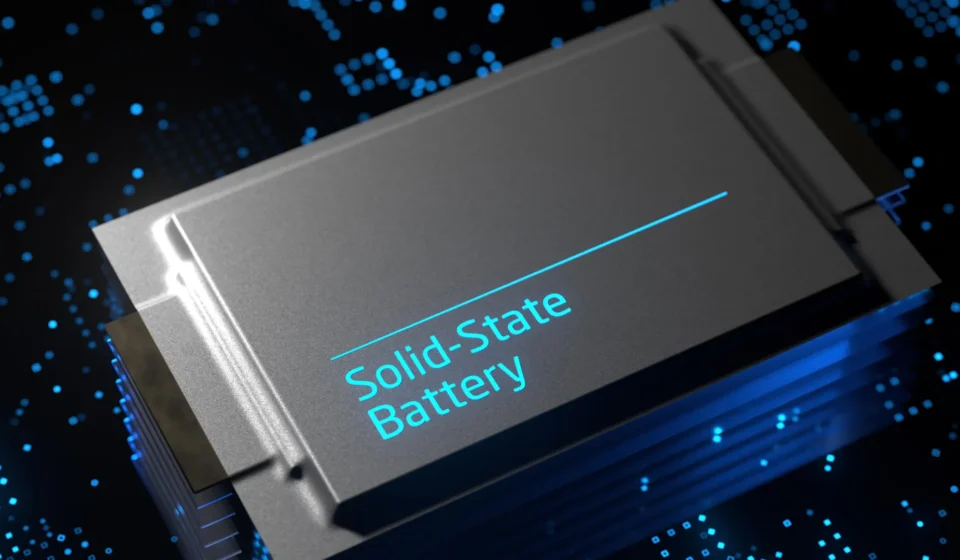
Solid-state batteries replace this liquid with a solid ceramic electrolyte. This fundamental shift offers a trifecta of benefits: significantly higher energy density, enhanced safety due to the non-flammable nature of solid materials, and a dramatically extended lifespan. In practical terms, this could mean a future where your smartphone lasts for days on a single charge and EVs boast driving ranges triple that of today’s market leaders.
However, a "stubborn problem" has plagued the industry for years: the formation of dendrites. During the charging process, microscopic, tree-like structures of lithium metal grow from the anode. These structures have a habit of piercing the solid electrolyte, creating internal short circuits that render the battery useless. Until now, the mechanism behind how a "soft" material could penetrate a "hard" ceramic remained one of the most debated topics in materials science.
Chronology of a Scientific Breakthrough
The path to this discovery was neither linear nor simple. For years, the scientific community had been divided into two primary camps regarding dendrite penetration.
The Competing Hypotheses
The first hypothesis suggested that internal stress accumulates within the dendrites as they grow, eventually exerting enough mechanical pressure to physically fracture the solid electrolyte. The second theory posited an electrochemical origin: that electrons leak along the grain boundaries of the solid electrolyte, promoting the formation of lithium "nuclei" that interconnect to form a bridge, eventually causing a short circuit.
The Methodology
To resolve this, Dr. Yuwei Zhang, head of the "Chemo-Mechanics of Battery Materials" group at MPI-SusMat, led an exhaustive investigation. The team utilized advanced sample preparation and characterization techniques that pushed the boundaries of current microscopy.
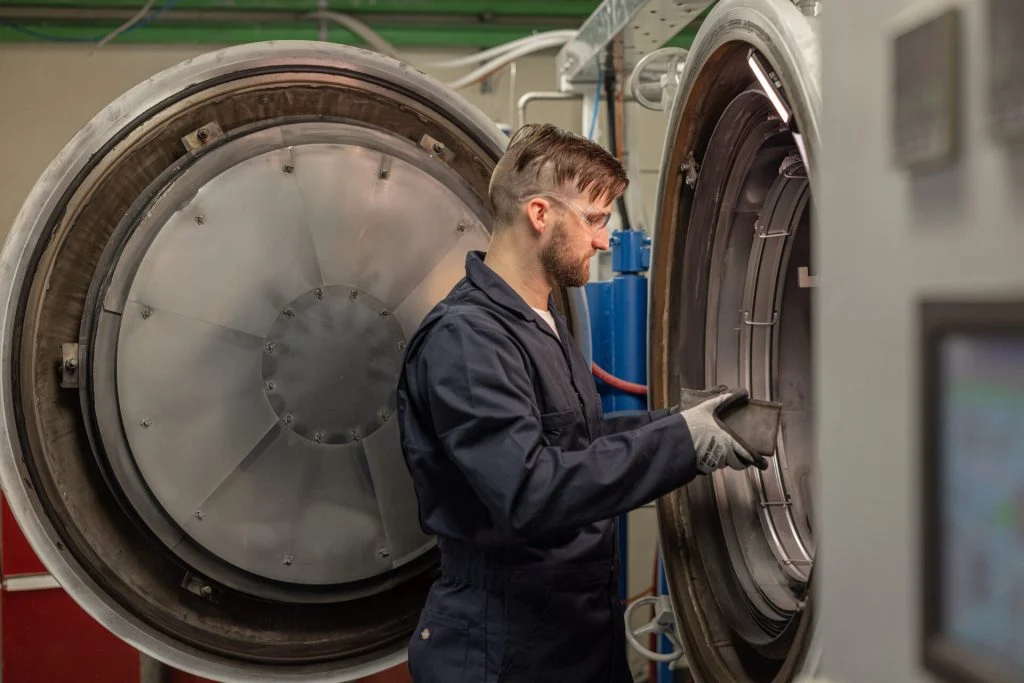
To ensure the integrity of their findings, the researchers conducted every step of the process under vacuum conditions and at cryogenic temperatures. This extreme environment was necessary to eliminate interference from oxygen, water, or even the electron beams used in the microscopes—factors that could have skewed the delicate analysis of the lithium samples.
The "Waterjet" Revelation
Through rigorous observation, the team examined both the internal stress and the plastic deformation of the lithium dendrites trapped within the electrolyte cracks. Their findings were definitive: they found no evidence of lithium buildup ahead of the dendrite tip, effectively ruling out the theory of internal stress accumulation.
Instead, they discovered that the lithium acts with a surprising, fluid-like persistence. "The soft lithium metal is able to penetrate the stiff ceramic electrolyte, like a continuous waterjet that penetrates a rock," Dr. Zhang explains. The team’s calculations confirmed that hydrostatic stress within the dendrite creates a localized pressure point, leading to the brittle fracture of the solid ceramic.
Supporting Data: Validating the Physics
To ensure their conclusion was not merely a local anomaly, the MPI-SusMat team employed a multi-modal approach to verification. By integrating phase-field simulations—mathematical models that predict how the interface between different materials evolves—with electron backscatter diffraction (EBSD), the team was able to map the mechanical behavior of the materials at the grain level.
The data revealed that the mechanical energy density at the tip of the dendrite is sufficient to exceed the fracture toughness of the ceramic. This validates the "waterjet" analogy; the lithium does not need to be "harder" than the ceramic to break it. It simply needs to be persistent, utilizing the hydrostatic stress inherent in its growth to exploit micro-defects within the electrolyte’s lattice.
Official Perspectives: Translating Science into Solutions
The implications of the MPI-SusMat findings extend far beyond the laboratory. Industry stakeholders, who have been hesitant to commit to mass-scale solid-state manufacturing due to these persistent failure modes, now have a clear roadmap for mitigation.
Dr. Zhang and his colleagues have proposed three distinct strategies to counteract the "waterjet" effect:
- Toughening the Electrolyte: By engineering solid electrolytes with higher fracture toughness, manufacturers can ensure the material is robust enough to resist crack propagation, even under the stress of dendrite growth.
- Strategic Voids: Introducing microscopic, engineered voids into the electrolyte structure could serve as "pressure release valves," redirecting the dendrite growth and steering cracks away from the sensitive interfaces where short circuits typically occur.
- Protective Coatings: Applying nanometer-scale protective coatings to the lithium electrodes could suppress the initial formation of dendrites, stopping the "waterjet" before it can ever start.
"Our work demonstrates the vital importance of understanding how materials behave at the microscopic level," says Zhang. "By focusing on the chemo-mechanics of the interface, we are moving away from trial-and-error experimentation and toward a design-led approach to battery development."
Broader Implications for Global Electrification
The transition to a sustainable economy is predicated on the efficiency of energy storage. If solid-state batteries are successfully commercialized, the impact will be seismic.
The Consumer Electronics Revolution
For mobile technology, the shift means more than just longer battery life. A higher energy density allows for smaller, thinner devices without compromising performance. It could also lead to a reduction in the total number of batteries recycled, as the lifespan of solid-state components is projected to far exceed that of current lithium-ion technology.
The Future of Transportation
In the EV sector, the implications are even more profound. The current "range anxiety" that prevents many consumers from making the switch to electric is largely a product of current battery limitations. By enabling ranges three times greater than today’s models, solid-state batteries could make electric vehicles not just an alternative, but the default choice for long-haul trucking, maritime transport, and aviation.
Economic and Environmental Impact
As the MPI-SusMat team continues to refine their strategies, the barrier to entry for solid-state technology begins to crumble. This research provides the technical clarity needed for manufacturers to invest with confidence. The transition to solid-state batteries is not merely an engineering challenge; it is the cornerstone of a future where clean energy is reliable, safe, and accessible to everyone.
As the industry pivots to implement these new findings, the "gummy bear" paradox of lithium dendrites will likely be remembered as the final hurdle before the solid-state revolution truly begins. Through the lens of the microscope at MPI-SusMat, the future of energy storage has never looked clearer.