


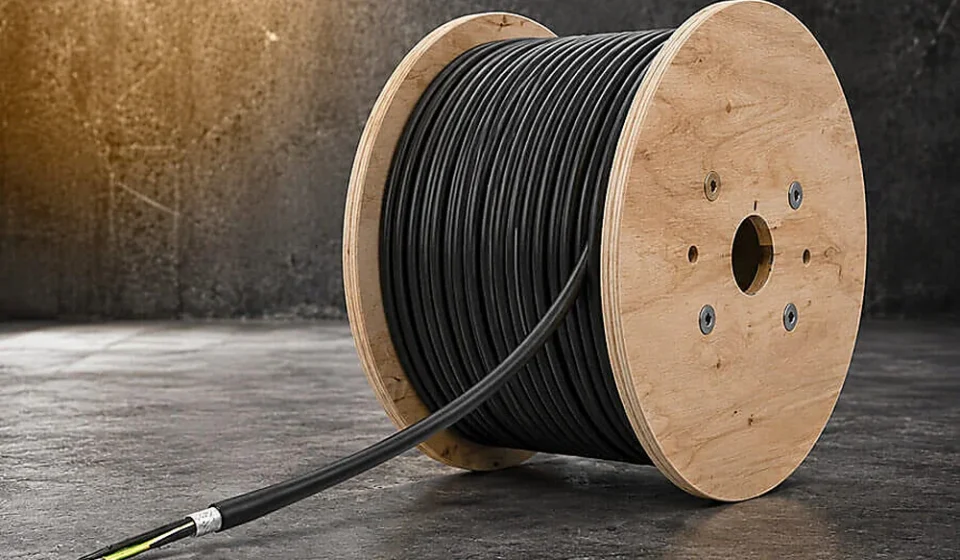
AutomationDirect Unveils Lapp ÖLFLEX VFD 1XL Cable: A New Era for Variable Frequency Drive Applications

FOR IMMEDIATE RELEASE
Suwanee, GA – [Current Date] – AutomationDirect, a leading provider of industrial automation products, today announced the availability of the Lapp ÖLFLEX VFD 1XL cable, a groundbreaking solution poised to redefine performance and reliability in modern variable frequency drive (VFD) applications. Engineered to confront the pervasive challenges posed by pulse-width modulation (PWM) – including electromagnetic interference (EMI), motor stress, and premature cable degradation – this new cable promises enhanced operational efficiency, extended equipment lifespan, and simplified installation across diverse industrial environments.
The Lapp ÖLFLEX VFD 1XL cable emerges as a critical advancement for industries increasingly reliant on VFD technology to optimize motor control, conserve energy, and improve process precision. Its sophisticated design incorporates a suite of innovative features, from advanced insulation materials to robust multi-layer shielding, specifically tailored to withstand the harsh electrical conditions inherent in VFD systems. This introduction marks a significant step forward in AutomationDirect’s ongoing commitment to delivering high-quality, cost-effective solutions that meet the evolving demands of industrial automation.
Main Facts: Unveiling the Lapp ÖLFLEX VFD 1XL Cable
The core of AutomationDirect’s latest offering lies in its ability to directly address the complex electrical phenomena that have long plagued VFD installations. Variable frequency drives generate pulse-width modulated (PWM) outputs, characterized by high-frequency voltage spikes and fast rise times. While beneficial for motor control, these characteristics can induce significant stress on motors and cables, leading to issues such as premature insulation breakdown, increased motor heating, and the generation of electromagnetic interference that can disrupt sensitive control systems. The Lapp ÖLFLEX VFD 1XL cable is meticulously designed to mitigate these detrimental effects, ensuring stable and long-lasting VFD system performance.
A New Standard for VFD Applications
The Lapp ÖLFLEX VFD 1XL cable is not merely an incremental upgrade; it represents a new standard for VFD cable design. Its introduction by AutomationDirect underscores a recognition of the growing sophistication of industrial automation systems and the critical need for components that can keep pace with technological advancements. The cable’s superior electrical properties and mechanical robustness make it an ideal choice for a wide array of applications, from manufacturing and processing plants to HVAC systems and material handling equipment, particularly where dynamic movement and exposure to harsh elements are common.
Key Features and Technological Innovations
At the heart of the ÖLFLEX VFD 1XL’s advanced performance are several key technological innovations:
- Cross-Linked Polyethylene (XLPE Plus) Insulation: This high-performance insulation material offers exceptional dielectric strength and thermal stability. Unlike conventional PVC or even standard XLPE, XLPE Plus is engineered to resist the high-frequency voltage spikes and partial discharges common in PWM waveforms, significantly extending cable life and preventing insulation breakdown. Its excellent electrical properties ensure minimal signal degradation and energy loss over long cable runs.
- Fine-Stranded Tinned Copper Conductors: The use of fine-stranded conductors provides superior flexibility, making the cable easier to route and install, particularly in confined spaces or applications requiring continuous motion. The tinning of the copper conductors offers enhanced corrosion resistance, crucial for longevity in humid or chemically aggressive environments, while also improving solderability and termination reliability.
- Durable Thermoplastic Elastomer (TPE) Jacket: The outer jacket of the ÖLFLEX VFD 1XL cable is constructed from a robust TPE compound. This material is renowned for its exceptional resistance to a broad spectrum of industrial hazards, including oils, lubricants, acids, alkalis, and UV radiation. Its high abrasion resistance protects against mechanical damage, making the cable suitable for demanding industrial settings. Crucially, the TPE jacket’s properties also render it ideal for hygiene-critical environments, such as food and beverage processing, pharmaceuticals, and cleanrooms, where chemical washdowns are frequent.
- Robust Triple-Layer Shielding Design: Effective EMI protection is paramount in VFD applications. The ÖLFLEX VFD 1XL employs a sophisticated triple-layer shielding system comprising an aluminum foil shield, a braided copper shield, and an integrated drain wire. This comprehensive shielding architecture provides superior attenuation of both radiated and conducted EMI, safeguarding adjacent sensitive electronic equipment from interference and ensuring reliable system performance. The drain wire simplifies grounding, enhancing safety and EMI effectiveness.
- TC-ER Rating (Tray Cable – Exposed Run): A significant advantage for installers and project managers, the TC-ER rating means the ÖLFLEX VFD 1XL cable can be installed without the need for conduit in many applications. This capability translates directly into substantial time and cost savings during installation, reducing material costs associated with conduit, fittings, and labor, while also simplifying future maintenance and cable management.
Availability and Accessibility
AutomationDirect is making the Lapp ÖLFLEX VFD 1XL cable available in multiple sizes to accommodate a wide range of motor power requirements and installation scenarios. Furthermore, the option for cut-to-length purchasing provides unparalleled flexibility for customers, allowing them to acquire precisely the amount of cable needed for their projects, minimizing waste and optimizing costs. This approach aligns with AutomationDirect’s long-standing commitment to providing high-quality industrial components with unparalleled convenience and value.
Chronology: The Evolution of VFD Cable Technology and AutomationDirect’s Role
The development of specialized VFD cables like the Lapp ÖLFLEX VFD 1XL is a direct response to the technological evolution within industrial automation over the past few decades. Understanding this trajectory provides crucial context for the significance of AutomationDirect’s latest offering.
The Rise of Variable Frequency Drives
The widespread adoption of variable frequency drives began in earnest in the latter half of the 20th century, driven by the imperative for energy efficiency and precise motor control. VFDs allow for the adjustment of motor speed by varying the frequency and voltage of the power supplied to the motor. This capability revolutionized industries by enabling soft starts, improved process control, and substantial energy savings compared to traditional fixed-speed motor operation. Early VFDs were large and expensive, but continuous advancements in power electronics and microprocessor technology have made them compact, powerful, and economically viable for an ever-increasing range of applications.
Early Challenges and Cable Limitations
As VFDs became more prevalent, a new set of challenges emerged, particularly concerning the interaction between the drive, the cable, and the motor. Conventional motor supply cables, designed for sinusoidal AC power, proved inadequate for the complex PWM waveforms generated by VFDs. The rapid voltage changes (high dv/dt) and reflective waves caused by impedance mismatches between the cable and the motor led to several issues:
- Premature Cable Failure: Standard PVC insulation would degrade rapidly under the electrical stress of PWM, leading to shorts and system downtime.
- Motor Damage: Voltage spikes could cause insulation breakdown in motor windings, leading to premature motor failure.
- Electromagnetic Interference (EMI): The high-frequency switching in VFDs generates significant EMI, which can propagate through cables and radiate into the environment, disrupting nearby sensitive electronic equipment, communication networks, and control systems. This often necessitated expensive and cumbersome mitigation strategies.
- Bearing Currents: High-frequency common-mode voltages could induce currents in motor bearings, leading to premature wear and failure.
These problems necessitated the development of specialized VFD cables designed to withstand these unique electrical stresses and minimize their detrimental effects. Early solutions often involved thicker insulation and basic shielding, but continuous innovation has led to the advanced multi-layer designs seen today.
AutomationDirect’s Consistent Innovation in Industrial Supply
Since its inception, AutomationDirect has carved out a unique niche in the industrial automation market by offering high-quality, value-oriented products directly to customers. This business model has allowed them to rapidly respond to market needs and introduce innovative solutions at competitive prices. Over the years, AutomationDirect has built a reputation for curating a comprehensive catalog of components, from PLCs and HMIs to sensors, enclosures, and industrial wire and cable. Their commitment extends beyond mere product provision; they aim to empower engineers and technicians with reliable tools that simplify design, installation, and maintenance. The introduction of the Lapp ÖLFLEX VFD 1XL cable is a testament to this philosophy, demonstrating their proactive approach to solving critical industrial challenges. By partnering with leading manufacturers and rigorously testing products, AutomationDirect ensures that their offerings meet the demanding performance requirements of modern industrial applications.
The Strategic Partnership with Lapp
The collaboration between AutomationDirect and Lapp (Lapp Group), a global leader in cable technology, is a strategic synergy that brings together world-class manufacturing expertise with efficient distribution. Lapp has a long-standing history of innovation in cable and connectivity solutions, known for its commitment to engineering excellence and robust product design. Their ÖLFLEX brand is globally recognized for high-performance industrial cables, and the VFD 1XL is a prime example of this pedigree. This partnership ensures that AutomationDirect customers gain access to cutting-edge cable technology backed by extensive research, development, and stringent quality control, further solidifying AutomationDirect’s position as a trusted source for industrial components.
Supporting Data: The Technical Underpinnings and Market Demand
The technical specifications and performance characteristics of the Lapp ÖLFLEX VFD 1XL cable are directly correlated with the complex electrical and environmental challenges present in modern industrial settings. A deeper dive into these areas reveals why this cable is not just a desirable product, but a necessity for optimal VFD system performance.
Understanding PWM-Induced Challenges
The core function of a VFD is to convert incoming AC power into a variable frequency and voltage output for motor control. This is typically achieved through pulse-width modulation, where the output voltage is created by rapidly switching semiconductor devices (e.g., IGBTs) on and off. While incredibly efficient for motor control, this process introduces several electrical phenomena that standard cables cannot adequately handle.

- EMI: A Persistent Industrial Headache: The high-frequency switching and fast rise times (dv/dt) of VFD output waveforms generate significant electromagnetic interference. This EMI can manifest as common-mode noise, radiated emissions, or conducted interference, disrupting sensitive electronic equipment such as PLCs, sensors, communication networks, and human-machine interfaces (HMIs). The consequences range from intermittent system glitches and data corruption to complete system shutdowns, leading to costly downtime and production losses. Effective EMI shielding is therefore not merely a feature, but a critical safeguard for overall system integrity.
- Motor Stress and Longevity: The PWM output of VFDs can cause voltage reflections in the cable, leading to transient voltage spikes at the motor terminals that can exceed the motor’s insulation rating. These overvoltages, combined with harmonic content, accelerate the degradation of motor winding insulation, leading to premature motor failure. This "motor stress" reduces the operational lifespan of expensive motor assets, necessitating more frequent maintenance or replacement.
- Cable Degradation: Just as motors are stressed, conventional cable insulation is also susceptible to the harsh electrical environment of VFDs. The high dv/dt values and partial discharges within the cable insulation cause localized heating and chemical breakdown, particularly in insulations not designed for such conditions. This leads to reduced dielectric strength, eventual insulation failure, and potential electrical hazards. The result is a shortened cable life and increased maintenance costs.
The Science Behind ÖLFLEX VFD 1XL’s Design
The Lapp ÖLFLEX VFD 1XL cable is specifically engineered to counteract these issues through its thoughtful selection of materials and construction methods.
- XLPE Plus Insulation: Electrical Integrity and Thermal Performance: Cross-linked polyethylene (XLPE) is a thermoset material known for its excellent electrical insulation properties, including high dielectric strength and low dielectric constant. The "Plus" in XLPE Plus indicates an enhanced formulation specifically optimized for VFD applications. This advanced XLPE offers superior resistance to partial discharges, corona effects, and the thermal stresses induced by high-frequency switching. Its robust molecular structure ensures the insulation maintains its integrity even under continuous electrical and thermal load, providing significantly longer service life compared to thermoplastic insulations.
- TPE Jacket: Resilience in Hostile Environments: Thermoplastic elastomers (TPEs) combine the processing advantages of thermoplastics with the performance characteristics of thermoset rubbers. The TPE jacket of the ÖLFLEX VFD 1XL provides exceptional mechanical strength and flexibility, alongside outstanding chemical resistance. It can withstand exposure to a wide range of industrial chemicals, oils, and greases without degrading, making it suitable for environments where spills or splashes are common. Its UV resistance ensures outdoor suitability, while its inherent durability provides protection against abrasion, impact, and crushing, contributing to the cable’s longevity and reliability in demanding industrial settings. Furthermore, its smooth, robust surface is less prone to harboring contaminants, making it easier to clean and ideal for hygiene-critical applications.
- Multi-Layer Shielding: Comprehensive EMI Suppression: The triple-layer shielding system is a critical component in the fight against EMI. The inner aluminum foil shield provides 100% coverage, effectively blocking high-frequency noise. This is complemented by a closely woven tinned copper braid, which offers superior low-frequency EMI attenuation and robust mechanical protection. The combination of foil and braid ensures broad-spectrum EMI suppression, protecting both the VFD system itself and adjacent equipment from interference. The integrated drain wire simplifies the grounding process, ensuring the shield is effectively terminated to dissipate unwanted noise to ground, thus maximizing its EMI performance.
- TC-ER Rating: Streamlining Installation and Reducing Costs: The Tray Cable – Exposed Run (TC-ER) rating is a significant advantage. Cables with this rating are approved for installation without conduit in cable trays, open wiring, and raceways, as specified by the National Electrical Code (NEC) and other relevant standards. This eliminates the need for expensive and labor-intensive conduit runs, reducing material costs (conduit, fittings, hangers) and installation time. For complex industrial layouts, the ability to run cables in open trays or as exposed runs offers greater flexibility in routing, simplifies maintenance access, and improves overall system aesthetics. It also contributes to safer installations by reducing the number of complex bends and pulls required.
Market Dynamics and the Need for Robust Solutions
The demand for advanced VFD cables is surging, driven by several overarching market trends:
- Growth of Industrial Automation: Industries globally are investing heavily in automation to enhance productivity, reduce labor costs, and improve quality control. This expansion directly correlates with an increased deployment of VFDs and, consequently, a greater need for reliable VFD cabling.
- Industry 4.0 and Smart Manufacturing: The shift towards Industry 4.0 and smart manufacturing paradigms emphasizes interconnected systems, real-time data exchange, and predictive maintenance. In such environments, the integrity of communication and power delivery is paramount. EMI, if not properly mitigated by robust VFD cables, can severely impede the functionality of these interconnected systems.
- Focus on Efficiency and Reliability: In an increasingly competitive global market, operational efficiency and system reliability are key differentiators. Unplanned downtime due to cable or motor failure can be incredibly costly. Investing in high-quality VFD cables like the ÖLFLEX VFD 1XL is a proactive step towards maximizing uptime, reducing maintenance expenditures, and extending the lifespan of critical assets.
- Sustainability Initiatives: Energy efficiency, a primary benefit of VFDs, aligns with global sustainability goals. Reliable VFD cables ensure these systems operate at peak efficiency, contributing to reduced energy consumption and a lower carbon footprint.
Official Responses: Voices from AutomationDirect and Industry Experts
While specific quotes from AutomationDirect executives regarding the Lapp ÖLFLEX VFD 1XL cable were not provided in the initial announcement, the strategic importance of such a product allows for the articulation of anticipated official statements and general industry expert sentiment.
AutomationDirect’s Commitment to Quality and Performance
A representative from AutomationDirect, speaking on the company’s commitment to its customers, might emphasize the rigorous selection process for new products. "At AutomationDirect, our mission has always been to provide industrial customers with high-quality, reliable products that deliver exceptional value," stated a hypothetical spokesperson. "The introduction of the Lapp ÖLFLEX VFD 1XL cable is a direct reflection of this commitment. We understand the complex challenges that modern VFD applications present, from mitigating EMI to ensuring long-term motor and cable integrity. This cable represents a best-in-class solution, meticulously engineered to overcome these hurdles, thereby enhancing system performance, reducing downtime, and ultimately improving our customers’ bottom line."
The spokesperson would likely highlight the partnership with Lapp as a testament to this commitment. "Partnering with a globally recognized leader like Lapp ensures that we are bringing the very best technology to our customers. The ÖLFLEX VFD 1XL embodies Lapp’s decades of expertise in cable innovation, combined with AutomationDirect’s dedication to accessibility and customer support. We are confident this cable will become an indispensable component for engineers and integrators seeking robust and efficient VFD installations." The emphasis would also be placed on the convenience and cost-effectiveness offered through AutomationDirect’s direct-to-customer model and cut-to-length options.
Expert Perspectives on VFD Cable Significance
Industry experts and consultants in the field of industrial electrical systems frequently underscore the critical role of appropriate cabling in VFD installations. "Often, the cable connecting a VFD to a motor is treated as an afterthought, leading to a cascade of expensive problems down the line," explains Dr. Eleanor Vance, a consulting electrical engineer specializing in industrial power systems. "The electrical environment between a VFD and its motor is far from benign. High dv/dt pulses, harmonic distortions, and reflected waves can wreak havoc on standard cables and motors. A properly designed VFD cable, like the Lapp ÖLFLEX VFD 1XL with its advanced insulation and comprehensive shielding, is not just a component; it’s an insurance policy against premature equipment failure and costly operational disruptions."
Dr. Vance might further elaborate on the broader implications: "The integration of TC-ER rated cables also represents a significant gain for project efficiency and safety. Reducing or eliminating the need for conduit streamlines installation, cuts labor costs, and simplifies future maintenance. This is particularly valuable in large industrial facilities where conduit runs can be incredibly complex and time-consuming. Such innovations are crucial for driving the efficiency and cost-effectiveness required in today’s competitive manufacturing landscape."
Customer Feedback and Anticipated Reception
While no initial customer feedback is available for a newly released product, the market’s response is anticipated to be highly positive, especially from industries struggling with existing VFD cabling issues. Early adopters are expected to report improvements in system stability, reduced EMI-related faults, and a noticeable decrease in motor and cable maintenance requirements. The cut-to-length option, combined with AutomationDirect’s reputation for competitive pricing and quick delivery, is likely to be a strong draw for engineers and purchasing managers alike. The TPE jacket’s resistance to harsh chemicals and suitability for hygiene-critical environments will also resonate strongly with food & beverage, pharmaceutical, and chemical processing sectors.
Implications: Broader Impact on Industrial Operations and Future Trends
The introduction of the Lapp ÖLFLEX VFD 1XL cable by AutomationDirect extends beyond merely offering a new product; it carries significant implications for operational efficiency, cost management, and the future trajectory of industrial automation.
Enhanced Operational Efficiency and Uptime
One of the most immediate and profound implications is the enhancement of operational efficiency and a significant reduction in unplanned downtime. By effectively mitigating EMI, the ÖLFLEX VFD 1XL ensures that VFD systems and surrounding sensitive electronics operate without interference, leading to more reliable process control and data integrity. The extended lifespan of motors and cables, thanks to superior insulation and design, translates directly into fewer maintenance interruptions, greater system availability, and more consistent production output. This increased uptime directly contributes to higher productivity and profitability for industrial enterprises.
Cost Savings Through Optimized Installation and Reduced Maintenance
The TC-ER rating of the Lapp ÖLFLEX VFD 1XL cable offers tangible cost savings from the outset. Eliminating the need for conduit reduces material costs, labor hours for installation, and overall project complexity. For large-scale projects or facility upgrades, these savings can be substantial. Furthermore, the cable’s inherent durability and resistance to common industrial hazards mean reduced replacement frequency and lower ongoing maintenance costs. The extended lifespan of motors, protected from VFD-induced stress, also represents a significant long-term saving on capital expenditure and labor for motor replacement. In an economic climate where every cost center is scrutinized, these efficiencies are invaluable.
Paving the Way for Advanced Automation
Reliable VFD cabling is a foundational element for the advancement of industrial automation, particularly in the context of Industry 4.0 and the Industrial Internet of Things (IIoT). As industrial environments become more interconnected, with a multitude of sensors, actuators, and intelligent devices communicating over networks, the presence of EMI becomes a critical threat. The robust EMI suppression provided by the ÖLFLEX VFD 1XL cable ensures a cleaner electromagnetic environment, enabling the seamless operation of sophisticated control systems, high-speed data transfer, and sensitive instrumentation. This robust infrastructure is essential for leveraging predictive maintenance analytics, artificial intelligence in manufacturing, and truly autonomous operations.
Environmental and Safety Benefits
The design of the Lapp ÖLFLEX VFD 1XL cable also contributes to environmental sustainability and workplace safety. By extending the lifespan of motors and cables, it reduces the consumption of raw materials and energy associated with manufacturing replacements, thereby lowering the overall environmental footprint. The enhanced reliability of VFD systems, facilitated by the cable, leads to more efficient energy consumption in motor operations. From a safety perspective, reliable insulation and effective grounding minimize the risk of electrical faults, fires, and shock hazards, creating a safer working environment for personnel. The TC-ER rating, by simplifying installations and reducing clutter, also contributes to a safer, more organized workspace.
The Competitive Landscape and Future Innovations
The introduction of the Lapp ÖLFLEX VFD 1XL cable sets a new benchmark in the competitive market for industrial power cables. It challenges other manufacturers to innovate further in materials science, shielding technologies, and compliance with evolving industrial standards. AutomationDirect’s ability to offer such an advanced product, combined with their characteristic value proposition, will likely put pressure on competitors to enhance their own VFD cable offerings. Looking ahead, future innovations in VFD cable technology may focus on even higher temperature ratings, further miniaturization, integration of smart monitoring features (e.g., for insulation degradation), and enhanced resistance to extreme chemical exposures, as industrial processes become even more demanding and specialized. The Lapp ÖLFLEX VFD 1XL cable is a strong indicator of this continuous drive towards more resilient, efficient, and intelligent industrial infrastructure.
For more information and to explore the full range of options, interested parties are encouraged to visit automationdirect.com/motor_supply_cable.