





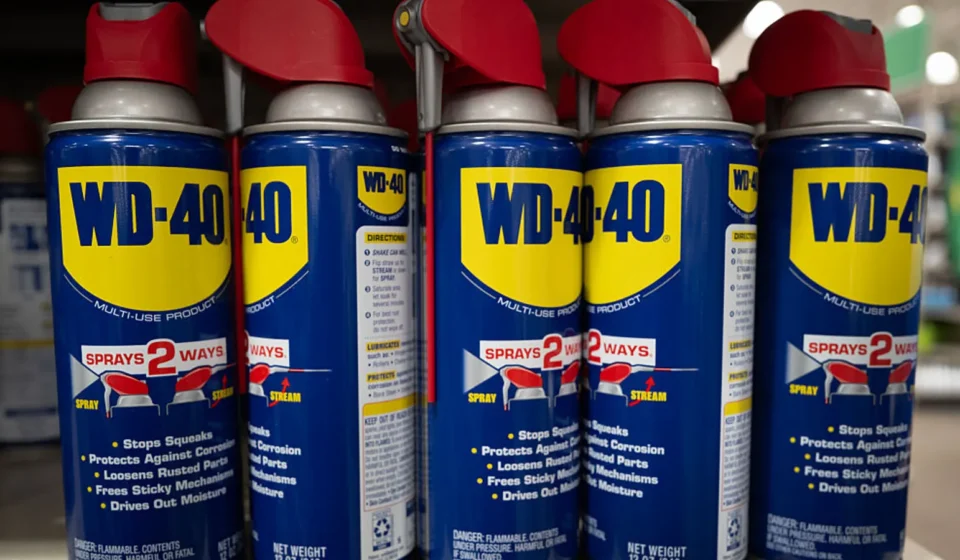
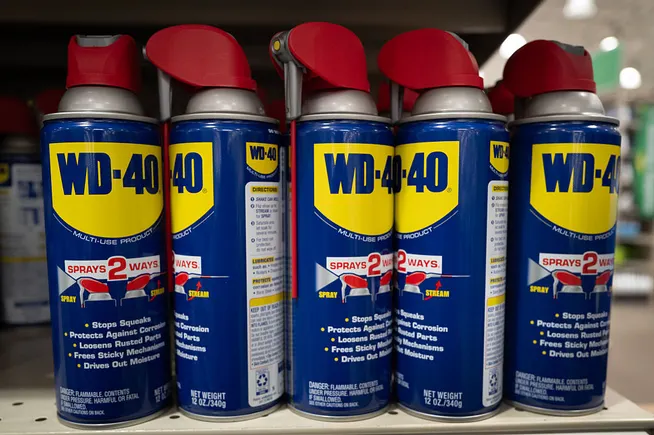
Global Supply Chains Under Pressure: WD-40 Grapples with Iran War-Induced Disruptions

Executive Summary: A Geopolitical Ripple Effect
The global supply chain landscape, still recovering from the logistical scars of the early 2020s, is facing a fresh wave of volatility. WD-40, the iconic manufacturer of maintenance and household products, has officially confirmed that the ongoing conflict involving Iran is exerting significant strain on its operational efficiency. From skyrocketing costs for petroleum-based specialty chemicals to the tangible disruption of shipping lanes, the company is navigating a complex web of challenges that threaten to alter the profit margins of major consumer goods firms worldwide.
As of July 2026, the company’s leadership has signaled that the impact is not merely a temporary nuisance but a structural hurdle requiring long-term adjustments in pricing, logistics, and inventory management. This situation highlights a broader trend: consumer goods manufacturers are increasingly vulnerable to regional geopolitical escalations that send shockwaves through the global commodity markets.
Chronology of the Crisis: From Warning to Impact
The trajectory of WD-40’s current supply chain woes can be traced back to the early months of 2026.
- Q1 2026 (February): WD-40 first identified significant price volatility in essential raw materials. Specifically, petroleum-based specialty chemicals—the backbone of their core product offerings—began to see sharp price spikes.
- April 2026: The conflict’s influence began to manifest physically, with shipping routes into India and the Middle East facing severe delays. During this period, the company began implementing "buffer" inventory strategies in anticipation of further volatility.
- May–June 2026: Third-party manufacturers within the Europe, India, Middle East, and Africa (EIMEA) segment reported localized supply shortages. These manufacturers, essential to WD-40’s global distribution network, struggled to source raw materials, forcing the company to pivot to alternative suppliers.
- July 2026: The formal announcement from WD-40 management solidified the reality that the "cost-push" inflation stemming from the conflict would persist, likely bleeding into the next fiscal year.
The Economics of Disruption: Supporting Data
The financial mechanics behind WD-40’s current struggle are rooted in a "lag effect." As noted by company leadership, there is typically a 90- to 120-day window between the moment raw material prices rise and the moment those costs are reflected in the final cost of goods sold (COGS).
Cost Transmission Dynamics
The company is currently absorbing the costs incurred earlier in the year. Because these chemicals are derived from oil, the regional instability in Iran—a major energy player—has caused a direct correlation between the conflict and the price of the aerosol components that WD-40 relies upon.
According to recent financial disclosures, the company is employing a multi-faceted approach to mitigate these costs:
- Pricing Actions: Implementing strategic price hikes to pass a portion of the increased COGS to the consumer.
- Cost-Saving Initiatives: A global review of regional spending to identify operational redundancies.
- Inventory Buffering: By accelerating purchases in China, India, and parts of Europe earlier in the year, distributors attempted to insulate themselves from future price hikes. However, this has led to a "demand shift," where sales volume seen in the previous quarter was essentially "borrowed" from the current one.
Official Responses and Strategic Pivot
WD-40’s leadership remains cautious but proactive. During recent investor calls, the tone was one of realistic adaptation.
Management Perspective
"It’s just the nature of the environment," noted company executives. They emphasized that in the current geopolitical climate, costs tend to escalate rapidly, while the descent of these costs back to baseline levels is historically much slower. This creates a "sticky" inflation environment that forces the company to adopt permanent adjustments rather than waiting for a return to the status quo.

Operational Countermeasures
To maintain service levels, the company has deployed a tactical response:
- Alternative Routing: When traditional shipping lanes are blocked or rendered too expensive due to insurance premiums and risk surcharges, the company is redirecting logistics through secondary, often longer, routes to ensure product availability.
- Flexibility via Third-Party Coordination: WD-40 is working closely with its network of contract manufacturers to ensure that if one source of raw material is cut off, an alternative is already vetted and ready for procurement.
Broad Market Implications: A Systemic Challenge
WD-40’s struggle is not an isolated incident; it is a symptom of a larger, systemic vulnerability in global manufacturing.
The "Iran Effect" on Consumer Goods
The conflict has acted as an accelerant for logistics spending across the board. Other major players have reported similar, if not more severe, outcomes:
- Procter & Gamble (P&G): The consumer giant recently projected a $150 million after-tax hit for the fiscal year ending June 30, 2026, citing oil-related costs and shipping disruptions directly linked to the conflict.
- McCormick & Co.: The seasoning manufacturer reported significant increases in logistics spending. While they managed to secure some tariff refunds, the underlying issue of moving goods through volatile corridors remains a core operational burden.
- Helen of Troy: The conglomerate, which owns brands like Hydro Flask and Osprey, has signaled that supply chain inflation is currently outpacing their ability to offset costs through traditional tariff mitigation strategies.
The Shift in Global Sourcing
The consensus among supply chain analysts is that companies are moving away from "just-in-time" delivery models toward "just-in-case" inventory management. This shift is expensive and requires significant capital investment in warehousing and logistics management.

Furthermore, the "demand shift" observed in the WD-40 case—where distributors preemptively bought stock to avoid future price hikes—suggests a market that is increasingly operating on fear-based procurement. This creates artificial volatility in demand, making it difficult for manufacturers to forecast accurately.
Looking Ahead: The Future of Supply Chain Resilience
As the fiscal year progresses, WD-40 and its peers will be measured by their ability to execute "cost-saving initiatives" without alienating their customer base. The expectation is that the most significant benefits of their current countermeasures will materialize in the next fiscal year.
For the retail investor and the supply chain professional, the lesson is clear: the era of hyper-optimized, low-cost, global supply chains is being challenged by a new era of geopolitical risk. Future success will depend on:
- Supply Chain Transparency: Being able to identify sub-tier suppliers who may be affected by regional conflicts.
- Agility in Logistics: The capacity to switch modes of transport or shipping routes in real-time.
- Pricing Power: The ability of a brand to maintain market share even when rising production costs necessitate a higher retail price.
WD-40 remains a bellwether for this transition. As they continue to navigate the currents of the Iran conflict, the company serves as a case study in how heritage brands must modernize their logistical operations to survive the unpredictable nature of 21st-century geopolitics. While the "nature of the environment" is currently one of disruption, the companies that thrive will be those that treat these geopolitical risks not as temporary anomalies, but as permanent features of the global economic landscape.