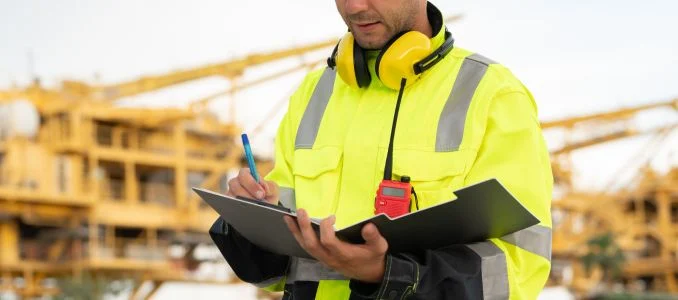

As climate volatility ceases to be a seasonal concern and becomes a permanent feature of the industrial landscape, safety leaders are finding that traditional, reactive compliance models are no longer sufficient. From the corrosive effects of extreme humidity on structural safety to the production-halting reality of record-breaking heatwaves, the modern facility is under siege by environmental factors that evolve by the week, not by the quarter.
The shift is clear: industrial safety is moving from a "check-the-box" regulatory burden to a core strategic pillar of operational resilience. By integrating advanced environmental monitoring, specialized material science, and a proactive safety culture, organizations are transforming their approach to protecting both their human capital and their bottom line.
The New Reality: Climate Volatility as an Operational Hazard
For decades, industrial safety was governed by the assumption of stability. Facilities were designed for specific, predictable climate ranges. However, the current era of climate instability has rendered those baseline assumptions obsolete.
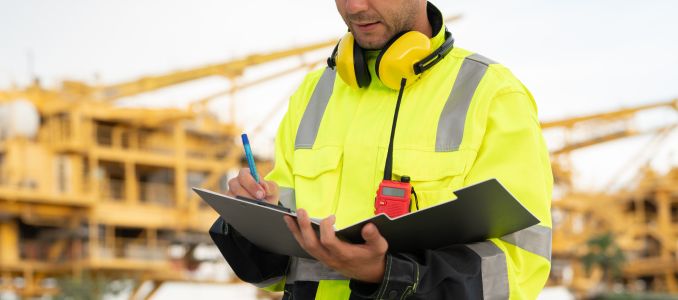
The Humidity-Hazard Connection
High humidity is often viewed as a mere comfort issue, but in an industrial setting, it is a significant mechanical and physical hazard. When moisture content in the air spikes, it does more than degrade raw materials; it compromises the physical integrity of the workplace. Industrial anti-slip coatings that are rated for "dry-use" scenarios often become perilously slick when humidity levels cross critical thresholds, effectively turning metal catwalks, stairwells, and loading docks into hazardous surfaces. This is not just a nuisance—it is a leading cause of slip-and-fall injuries that drive up workers’ compensation claims and lead to significant emergency room volume.
Heatwaves and Systemic Failure
Conversely, the sustained heatwaves now common in many manufacturing hubs are pushing HVAC and climate control systems beyond their rated capacities. When indoor temperatures exceed safety thresholds, facilities face a dual threat: the physiological risk of heat stress to the workforce and the mechanical risk of production-line shutdowns. A system designed for a temperate summer cannot maintain operational efficiency during a week-long, triple-digit heat event. These failures trigger cascading effects, from sudden spikes in OSHA recordables to the loss of expensive equipment, leading to a direct erosion of competitive advantage.
Chronology: The Evolution of Industrial Safety Paradigms
To understand how we reached this point, we must look at the timeline of industrial risk management:

- The Era of Reactive Compliance (Pre-2000s): Safety was primarily driven by post-incident investigation. The "lagging indicator" model prevailed, where success was measured by how few accidents occurred, and safety was often seen as an obstacle to production speed.
- The Rise of Regulatory Scrutiny (2000–2015): As OSHA and global regulatory bodies tightened standards, companies adopted more rigid compliance frameworks. Safety became a documentation-heavy process, often disconnected from the daily operational reality of the shop floor.
- The Proactive/Predictive Transition (2015–2023): Technology began to play a larger role. The introduction of wearable sensors, real-time air quality monitoring, and predictive maintenance software allowed managers to identify potential risks—such as vibration, heat, or humidity spikes—before they led to injury.
- The Resilience Era (2024–Present): Safety is now defined as "operational resilience." Leading organizations no longer treat safety and production as competing interests. Instead, they recognize that a resilient, safe facility is inherently more productive, more efficient, and better equipped to weather the volatile environmental conditions of the 21st century.
Supporting Data: The High Cost of Inaction
The data supporting this shift toward engineered resilience is compelling. According to industry research, facilities that maintain a "reactive-only" posture experience, on average, 40% higher turnover in frontline staff and a 25% increase in annual insurance premiums compared to those that employ proactive, data-driven safety systems.
Quantifying the Risks
- Lost Time Incidents (LTIs): Humidity-related slip hazards account for an estimated 12% of total fall-related injuries in industrial settings.
- Thermal Stress Impact: Productivity is estimated to decline by approximately 5% for every degree Celsius that indoor temperatures rise above the recommended 24°C (75°F) threshold.
- The Financial Multiplier: Every dollar spent on proactive safety equipment—such as high-traction floor treatments or enhanced ventilation—saves approximately $4.50 in indirect costs, including legal fees, retraining, and downtime-related lost revenue.
Official Responses and Industry Standards
Safety professionals are increasingly calling for a change in how we categorize "hazard reporting." The consensus among industry leaders is that the authority to pause operations must be decentralized.
"Safety cannot be a top-down mandate that waits for a management sign-off while a hazard exists," says one industry safety consultant. "If a frontline operator sees an area becoming dangerous due to condensation or heat buildup, they need the agency to intervene immediately. The cost of a ten-minute production pause is negligible compared to the cost of a workplace fatality or a life-altering injury."

Regulatory bodies are also shifting their focus. Recent guidance emphasizes that employers are responsible for providing a workplace free from recognized hazards, which now increasingly includes environmental stressors that were previously considered "unavoidable." This is prompting a surge in demand for continuous environmental monitoring technology, which provides managers with real-time dashboards of ambient conditions.
Implications for Modern Facility Management
The implications of this shift are profound, impacting everything from facility design to human resources.
1. Architectural and Engineering Adjustments
Facilities are no longer just "shelter." They are active, climate-controlled environments. Future-proofing a facility now involves:

- Material Upgrades: Transitioning to high-performance, weather-resilient flooring and anti-slip surfaces that maintain their coefficient of friction regardless of ambient humidity.
- Climate Redundancy: Installing redundant cooling systems and heat-recovery ventilation that can handle extreme climate spikes without exhausting the building’s power grid.
2. The Cultural Shift: From "Blame" to "Prevention"
Modern safety programs are moving away from identifying individual "human error." Instead, they treat the system as the source of the failure. When a near-miss occurs, the question is no longer "What did the worker do wrong?" but "How did the environment fail to protect the worker?" This culture of "psychological safety" encourages workers to report near-misses, providing the granular data necessary to prevent future, more serious, incidents.
3. Data-Driven Decision Making
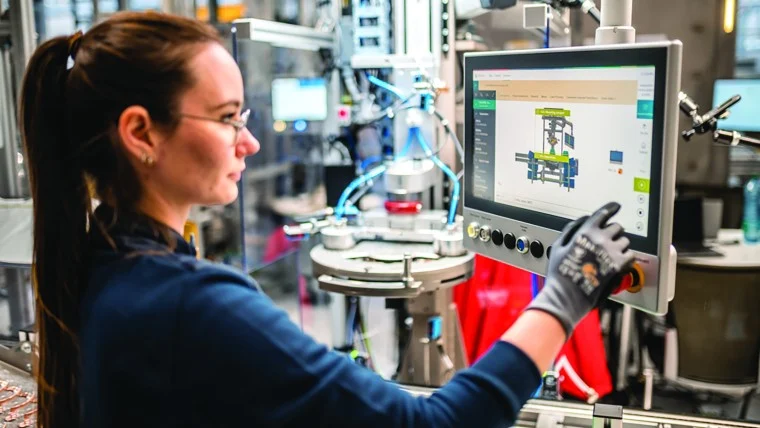
The integration of the Internet of Things (IoT) in safety management has been transformative. Sensors placed throughout a facility can now trigger automated alerts when humidity, temperature, or particulate levels cross a safe threshold. This allows safety managers to pivot from "firefighting" individual incidents to managing the facility as a complex, dynamic system.
4. Competitive Advantage
Ultimately, companies that master these challenges gain a significant competitive edge. A stable work environment leads to higher retention, as employees feel safer and more valued. Furthermore, the operational stability achieved through these measures allows for consistent production schedules, which is a major selling point for clients who demand reliability in an increasingly unstable global supply chain.

Conclusion
As we look toward the future of industrial operations, it is evident that climate volatility is not a temporary hurdle, but a new baseline. The facilities that will thrive in the coming decades are those that treat safety as a strategic investment rather than a cost center. By architecting resilience into the very fabric of the workplace—through smarter materials, better monitoring, and a culture of empowered, proactive personnel—industry leaders can move beyond the reactive cycles of the past and secure a safer, more productive future for all.
The path forward requires a blend of old-fashioned vigilance and cutting-edge technology. It requires a commitment to the reality that in an unpredictable climate, the most effective tool in any safety manager’s kit is the ability to anticipate, adapt, and act before the hazard turns into a tragedy.