
Precision in Motion: Advancements in Wire Processing and Assembly Technology

The modern industrial landscape is defined by the relentless pursuit of efficiency, reliability, and miniaturization. Nowhere is this more evident than in the field of wire processing and harness assembly. As electronic components become increasingly dense and wiring harnesses more complex, the equipment required to cut, strip, crimp, and secure these vital lifelines must evolve in tandem. From military-grade hydraulic crimping tools to precision laser-stripping systems, the latest generation of assembly technology is setting new benchmarks for quality control and operator ergonomics.
Main Facts: The New Standard in Connectivity
The current wave of innovation in assembly equipment is driven by a need to reduce human error while increasing throughput in high-stakes environments. Key players in the sector, including Daniels Manufacturing Corp. (DMC), ABB Installation Products, and Rennsteig Tools, have recently unveiled solutions that bridge the gap between heavy-duty production power and the delicate precision required for modern electronics.
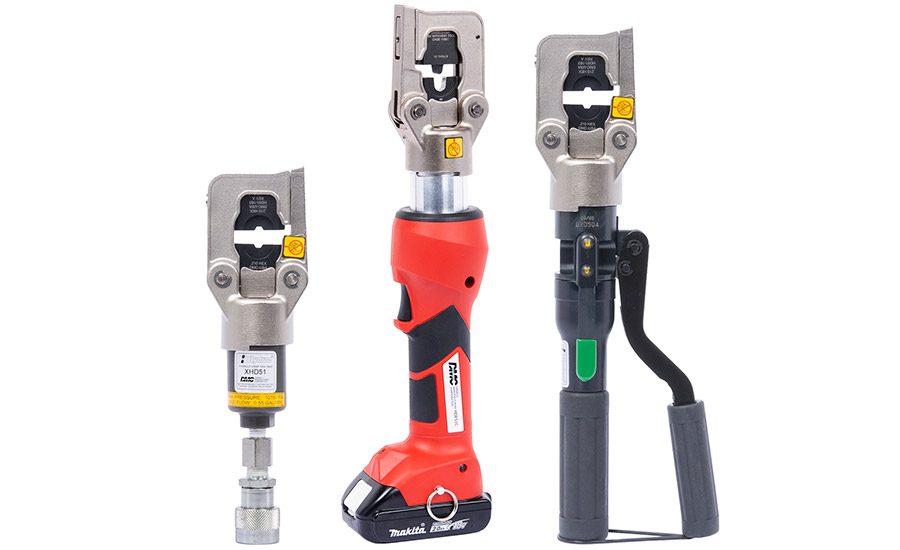
At the forefront of this movement is the achievement of Qualified Products List (QPL) status by Daniels Manufacturing Corp. for its 51 Series of 6-ton crimp tools. Meeting military-grade standards (AS5259) is no small feat, requiring rigorous testing to ensure that terminals and contacts on large-gauge copper and aluminum wires (8 to 2/0 AWG) maintain optimal electrical integrity. This certification serves as a testament to the industry’s shift toward verifiable, data-driven assembly processes.
Chronology of Technological Evolution
The evolution of wire processing can be traced through the shift from purely manual labor to integrated, sensor-driven automation.
- Early 2000s: The industry relied heavily on manual crimping and basic thermal stripping, often leading to inconsistent results that were difficult to document.
- 2010s: The introduction of programmable heat-shrink ovens and semi-automated cable tie tools began to standardize throughput, though data collection remained localized and fragmented.
- 2024–2025: The current era marks the integration of "Smart Factory" connectivity. Tools like the DMC HDE51C now offer Bluetooth data collection, allowing engineers to track crimp quality in real-time. Similarly, Rennsteig’s Full Cycle Management (FCM) system has transformed desktop crimping from a mechanical task into a monitored process, with built-in maintenance alerts and error-prevention protocols.
Supporting Data and Technical Specifications
Modern assembly environments require equipment that can handle diverse materials and exacting tolerances. Below is an overview of the technical specifications defining the latest product releases:
Crimping and Connection Integrity
The 51 Series from DMC offers three distinct modalities for high-pressure applications:
- HDE51C: A battery-powered, Bluetooth-enabled tool for digital traceability.
- XHD51: A hydraulic-head unit optimized for the high-volume production line.
- HD51: A manual hydraulic tool designed to reduce operator fatigue during high-tension crimping.
The integration of interchangeable die sets—ranging from hex and nest-and-indent to confined crescent configurations—ensures that these tools remain versatile across different terminal types.
Material Science and Protective Solutions
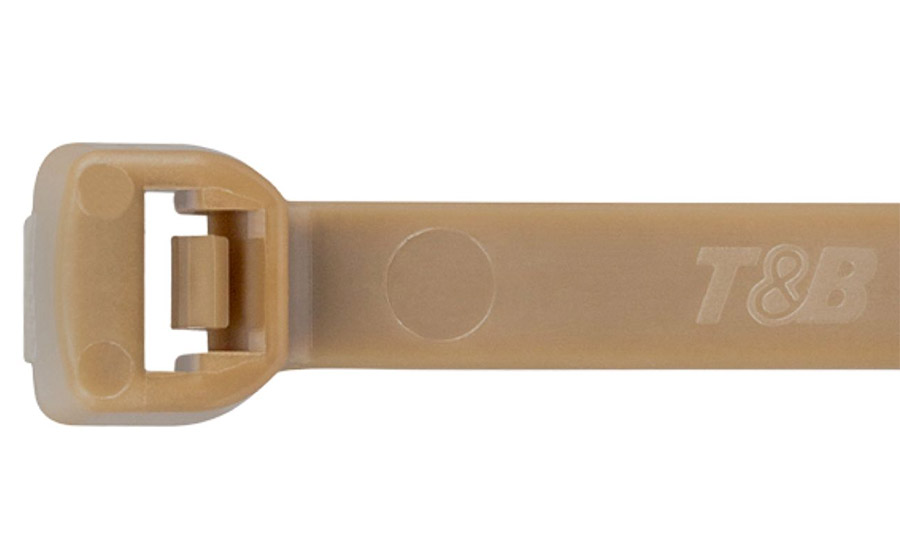
Efficiency in wire processing extends beyond the electrical connection to the protection of the assembly. ABB Installation Products has addressed the need for extreme-environment protection with its PEEK-based cable ties. Polyetheretherketone (PEEK) provides a high-performance solution that is nonconductive, halogen-free, and low-outgassing, meeting UL 94V-0 standards. This material is increasingly critical in aerospace and medical manufacturing where fire safety and toxic emission reduction are non-negotiable.
Thermal Processing and Precision Stripping
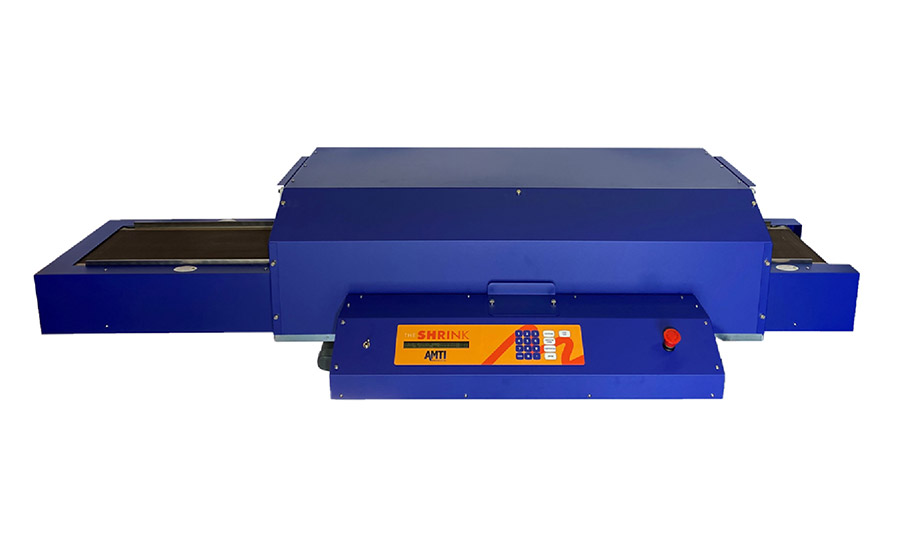
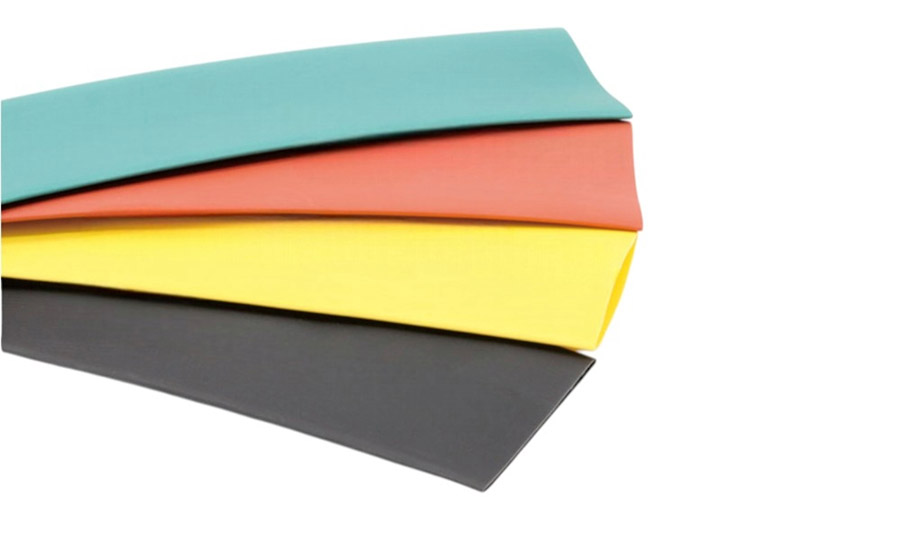
For wire harness insulation, the "Shrink" by AMTI Products offers a programmable conveyorized solution that replaces the inconsistent manual heat gun. With a heating zone of 52 inches and adjustable belt speeds from 1 to 100 inches per minute, it provides the repeatability necessary for modern automotive and aerospace standards.
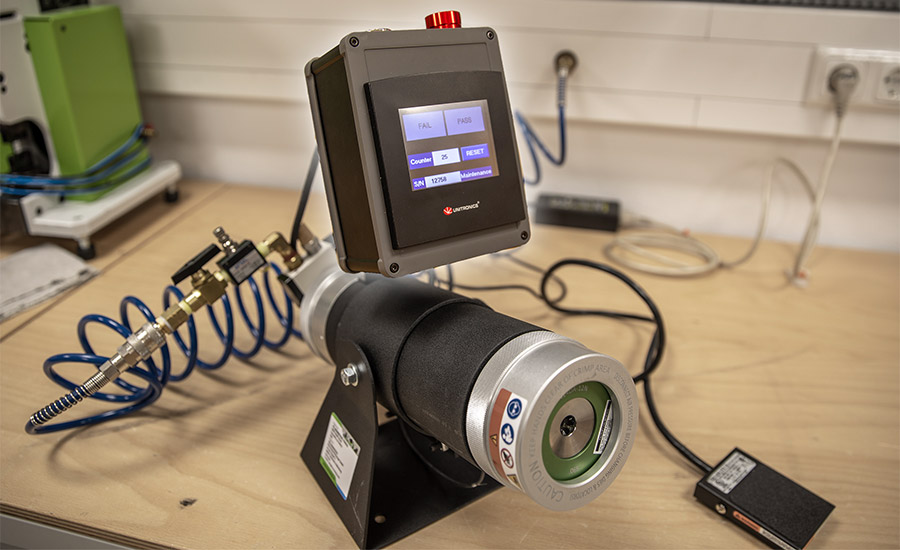
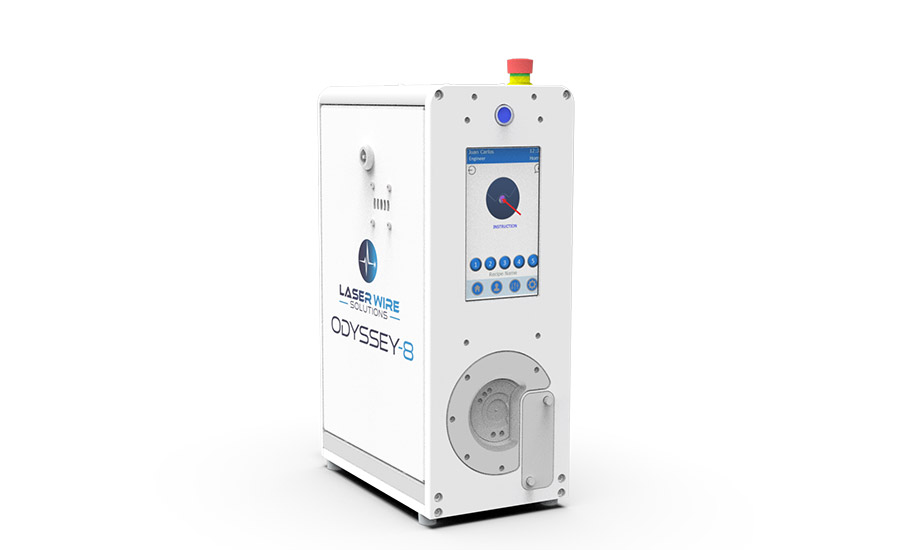
Conversely, the laser-stripping sector is seeing similar advancements. Laser Wire Solutions’ Odyssey-8, designed for wires under 0.2 millimeters in diameter, eliminates the need for mechanical contact, preventing damage to sensitive conductors while stripping challenging materials like Kapton and enamel.
Official Responses and Industry Perspectives
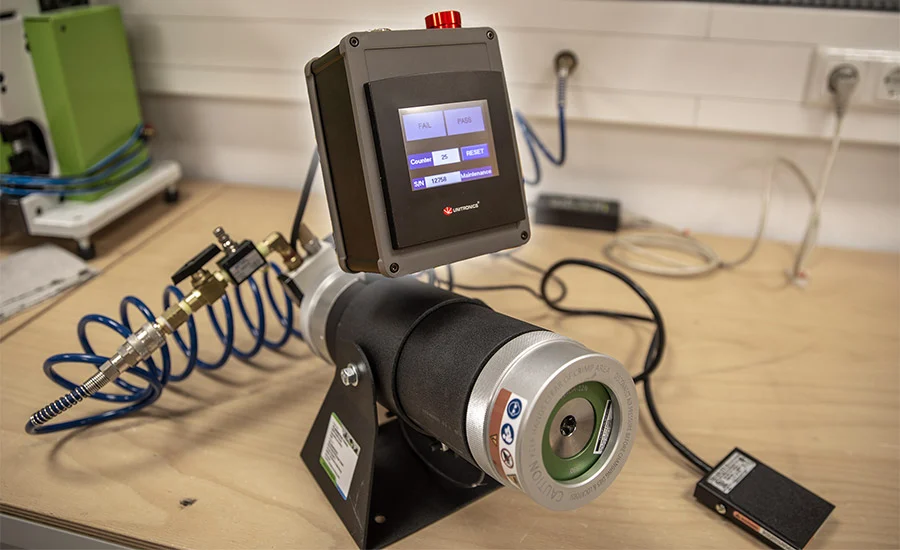
Industry experts emphasize that the move toward "intelligent" tools is not merely about bells and whistles; it is about mitigating the risks of the "spring-back" effect and terminal cracks. According to manufacturers like Rennsteig, the integration of throttle valves and sensor-based cycle monitoring represents a significant leap in preventing latent failures. When a system provides a green light for a successful crimp and a red-light/buzzer alarm for a failure, the cost of scrap and rework is drastically reduced.
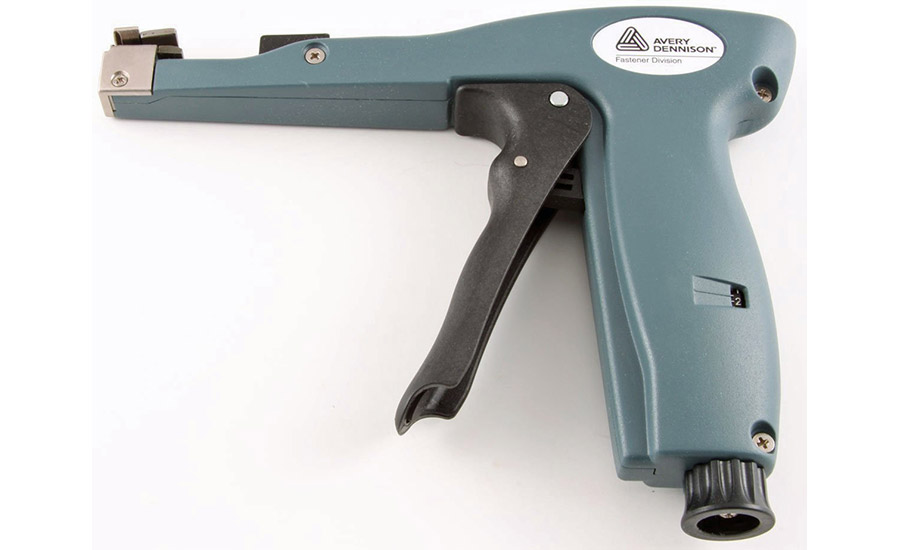
Similarly, the focus on ergonomics—as seen in Avery Dennison’s latest cable tie installation tool—highlights a commitment to worker longevity. By minimizing trigger force and refining handle geometry, these manufacturers are acknowledging that the most efficient tool is the one that minimizes operator fatigue throughout a shift.
Implications for the Future of Assembly
The implications of these advancements are twofold:
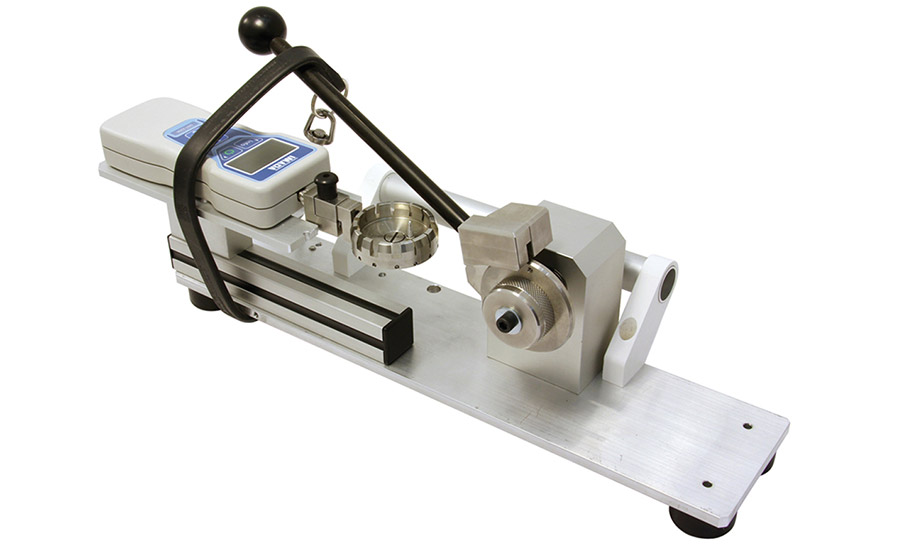
- Traceability and Accountability: As tools become connected, the "black box" of the assembly floor is disappearing. With RS-232C and Digimatic outputs on devices like Imada’s NPL pull tester, manufacturers can now generate comprehensive reports on pull-off force, ensuring every electrical lead meets specification. This level of transparency is essential for compliance in regulated industries.
- Increased Complexity in Smaller Footprints: The ability to strip shielding flush to the cable (via AOP Technologies’ Trim-Pro) and the ability to process ultra-fine wire via laser (Odyssey-8) suggests that the trend toward miniaturization will continue unabated. Engineers are no longer constrained by the physical limitations of manual stripping or crimping.
A New Era of Quality Control
The convergence of these technologies signals a shift away from "craftsmanship-based" assembly toward "process-controlled" manufacturing. While the skill of the operator remains vital, the tools themselves now act as a secondary layer of quality assurance.
For instance, the ability to adjust dwell time at the final crimp position—a feature now standard in high-end desktop controllers—allows materials to flow and deform correctly, eliminating the structural weaknesses that historically plagued crimped connections.
Sustainability and Safety
Finally, the industry is making strides in safety-conscious manufacturing. The use of PEEK in cable ties reduces the environmental and health hazards associated with traditional plastics in the event of a fire. Similarly, the use of automated, conveyorized ovens like the "Shrink" ensures that VOC emissions and energy consumption are kept within strictly controlled parameters, compared to the erratic energy usage of traditional manual heat tools.
Conclusion: Investing in Precision
As the global demand for sophisticated electronic systems in vehicles, medical devices, and smart infrastructure grows, the equipment that builds these systems must be as precise as the circuits themselves. Whether it is a hand-held pull tester measuring force in newtons or a laser system stripping sub-millimeter wires, the latest equipment offers a clear path toward higher quality, greater safety, and better data management.
For assembly managers and production engineers, the message is clear: the integration of smart, qualified, and highly specialized tools is no longer a luxury—it is the baseline for competitive manufacturing in the 21st century. By adopting these new technologies, companies can ensure that their products are not only built to last but are built with the precision required to thrive in an increasingly connected world.