

Supersede Expands Manufacturing Footprint with 100,000-Square-Foot Bristol Facility to Serve RV Industry

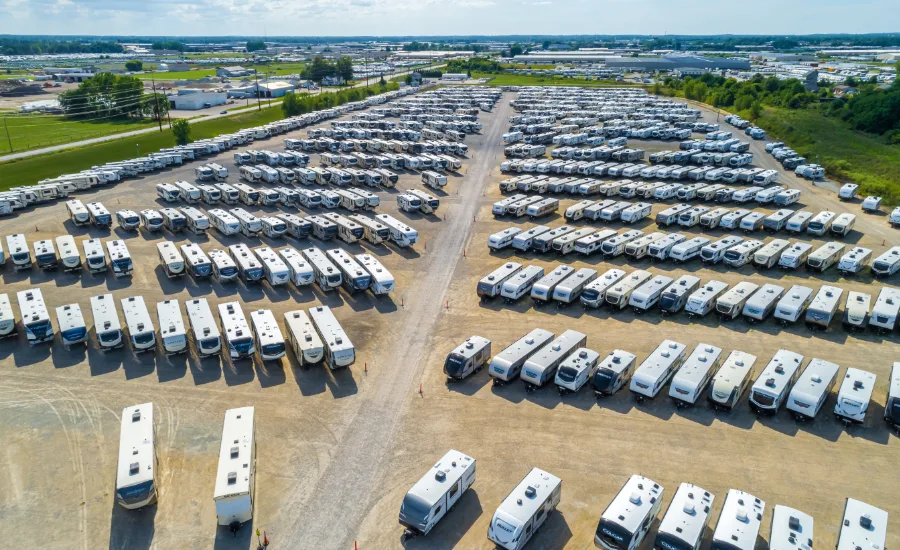
BRISTOL, Ind. — Engineered materials manufacturer Supersede has officially opened a sprawling 100,000-square-foot manufacturing plant in Bristol, Indiana, marking a significant milestone for the company and the broader recreational vehicle (RV) sector. Situated in the heart of Elkhart County—widely recognized as the RV capital of the world—the new facility is designed to dramatically scale up production capacity for advanced structural materials tailored to the RV, marine, and industrial manufacturing markets.
The strategic expansion is projected to create more than 50 new jobs in the region, infusing localized economic growth while anchoring Supersede physically closer to its primary customer base. By establishing operations directly within the manufacturing hub of the United States RV industry, Supersede aims to streamline supply chains, eliminate logistical bottlenecks, and provide instantaneous support to assembly lines that depend on predictable, high-performance components.
Main Facts
The core of Supersede’s business model revolves around solving long-standing durability and manufacturing challenges inherent to traditional building materials. The company specializes in producing engineered structural materials engineered specifically to supplant conventional wood-based sheathing, subflooring, and vinyl products.
Traditional RV construction has relied heavily on wood products, which are notoriously susceptible to moisture absorption, warping, delamination, and, ultimately, floor rot—one of the most common and costly complaints among RV owners. Supersede’s proprietary material formulations are engineered from the ground up to be completely moisture- and warp-resistant. Beyond longevity and environmental resilience, these engineered boards are designed to optimize the manufacturing process itself. By offering uniform thickness, high dimensional stability, and clean machining properties, the materials reduce waste, minimize the need for costly factory rework during installation, and streamline fastening operations on the assembly floor.
The newly operational Bristol plant represents the physical realization of the company’s growth strategy. Spanning 100,000 square feet, the facility provides the square footage necessary to house advanced extrusion, pressing, and cutting machinery, ensuring that Supersede can meet escalating market demand as more original equipment manufacturers (OEMs) transition away from organic materials.
Chronology of Expansion
The opening of the Bristol manufacturing facility is the culmination of years of targeted research, product development, and strategic market positioning.
- Product Development & Initial Testing: Supersede spent years developing its portfolio of moisture-resistant structural panels, targeting industries where exposure to the elements degrades traditional wood and composite products. Laboratory testing focused heavily on load-bearing capabilities, fastener retention, and resistance to fungal decay and moisture degradation.
- Market Introduction & Early Adoption: As the company refined its manufacturing parameters, it began introducing its products to niche marine and specialty vehicle builders. Early successes proved that the material could withstand harsh marine environments and rigorous road conditions without structural compromise.
- Partnership with Coachmen RV: Momentum accelerated significantly with the announcement of a landmark partnership between Supersede and Coachmen RV, a division of Forest River. This collaboration integrated Supersede Marine Board directly into the floor structure of Coachmen’s popular Catalina travel trailers. Notably, this application marked a major industry milestone: the first time Coachmen built a Catalina travel trailer utilizing entirely non-wood flooring, effectively eliminating the risk of traditional subfloor rot in those units.
- Facility Selection and Groundwork in Elkhart County: Recognizing the explosive demand for its non-wood solutions, leadership sought a permanent manufacturing home that could service the dense cluster of OEMs in northern Indiana. Bristol, located squarely within Elkhart County, was chosen for its ideal geographic positioning, established industrial infrastructure, and skilled manufacturing labor pool.
- Official Facility Launch: With the 100,000-square-foot plant now fully online, Supersede has transitioned from a regional supplier relying on remote production lines to an entrenched local manufacturer capable of delivering just-in-time components to the world’s leading RV builders.
Supporting Data and Industry Context
To understand the weight of Supersede’s expansion, one must examine the economic and geographic realities of the American RV landscape. Elkhart County, Indiana, routinely produces a vast majority of all recreational vehicles manufactured in North America. The region operates as a tightly integrated ecosystem of chassis builders, sidewall manufacturers, interior outfitters, and final assembly plants.
Historically, supply chain disruptions, fluctuating lumber prices, and shipping delays have plagued RV manufacturers, forcing assembly lines to occasionally halt or slow down while waiting for raw materials. By setting up a 100,000-square-foot production facility yards away from many of these assembly plants, Supersede is systematically dismantling these supply chain vulnerabilities.
Furthermore, the data surrounding product failure in the RV industry heavily favors the adoption of advanced engineered materials. Consumer warranty claims related to water damage, soft spots in flooring, and slide-out decay account for a substantial percentage of post-purchase expenditures for dealerships and manufacturers alike. By replacing organic wood panels with engineered, non-porous alternatives, manufacturers can drastically lower warranty claim frequencies.
On the factory floor, efficiency metrics dictate profitability. Traditional wood products often feature natural defects, knot holes, variable moisture content, and warping that require sorting, trimming, and custom fitting by assembly line workers. Supersede’s engineered sheets provide strict dimensional tolerances, allowing for automated handling, consistent fastener engagement, and less scrap material generated during CNC routing and cutting processes. This reduction in material waste directly aligns with modern lean manufacturing principles embraced by forward-thinking assembly operations.
Official Responses and Executive Insights
Industry leaders have welcomed Supersede’s physical arrival in Elkhart County, viewing it as a validation of the industry’s ongoing evolution toward advanced composite materials.

"Elkhart County is where the RV industry lives and builds," said Sean Petterson, CEO and co-founder of Supersede, emphasizing the strategic importance of the location. "Locating our newest facility here represents our commitment to the manufacturers who depend on consistent, high-performance materials to keep their production lines moving."
Petterson’s remarks underscore a fundamental shift in how structural components are sourced. Rather than shipping heavy, bulky panels across multiple state lines—incurring high freight costs and carbon footprints—Supersede is positioning its manufacturing capacity precisely where consumption is highest.
Local economic development officials have similarly praised the project. The creation of more than 50 specialized manufacturing jobs provides a welcome boost to the local tax base and workforce development initiatives in Bristol and Elkhart County. As automation and advanced material handling technologies are integrated into the new plant, workers will also gain valuable upskilling opportunities in modern industrial manufacturing processes.
Implications for the RV and Manufacturing Sectors
The establishment of Supersede’s Bristol facility signals broader implications for the future of recreational vehicle design, manufacturing technology, and consumer expectations.
1. The Accelerating Death of Traditional Wood Subflooring
For decades, plywood and oriented strand board (OSB) have been the default substrates for RV floors and roofs. However, their vulnerability to water infiltration—whether from plumbing leaks, window seals, or condensation—has remained an Achilles’ heel. As companies like Coachmen RV lead the charge by incorporating non-wood alternatives like Supersede Marine Board into high-volume lines like the Catalina, consumer demand for rot-free construction is expected to surge. Other major OEMs will likely feel market pressure to follow suit, transforming non-wood structural flooring from a premium option into an expected industry standard.
2. Reshaping Supply Chain Resilience
The vulnerabilities exposed by global logistics crises over recent years have forced manufacturers to rethink reliance on distant suppliers. By localizing production in Elkhart County, Supersede provides its customers with a localized, highly reliable pipeline of critical materials. This proximity allows for tighter inventory control, reduced transit times, and the agility to adjust production volumes in real time to match the cyclical swings of the RV market.
3. Advancing Sustainable Manufacturing Practices
Sustainability in manufacturing extends beyond energy efficiency; it includes material yield and product lifespan. Traditional wood harvesting involves deforestation and generates significant job-site waste due to damaged or warped panels. Supersede’s engineered materials are designed for optimal yield with minimal scrap. Furthermore, by drastically extending the operational lifespan of an RV—preventing premature structural failure and scrapping of water-damaged units—the industry moves closer to circular sustainability, keeping old RVs out of landfills.
4. Workforce Evolution in Elkhart County
As new manufacturing facilities like Supersede’s come online, the nature of work in Elkhart County continues to evolve. The demand is shifting away from traditional manual labor toward skilled technicians capable of operating advanced automated machinery, monitoring quality control systems, and managing lean supply chain inventories. This transition elevates the capabilities of the regional workforce and cements Elkhart County’s status not just as a high-volume assembly center, but as a hub for advanced manufacturing innovation.
Looking Ahead
With the 100,000-square-foot Bristol facility now operational and fully staffed, Supersede is poised to capture an increasingly large share of the structural materials market. As more RV manufacturers seek out reliable, moisture-proof alternatives to traditional timber, the company’s local presence ensures it can scale output seamlessly.
The successful integration of these advanced materials into high-volume production lines demonstrates that the industry is ready to move past legacy building methods. For consumers, this technological shift promises a new generation of recreational vehicles that are lighter, more durable, and virtually immune to the dreaded threat of floor rot—ensuring countless miles of adventure without structural compromise.