






Agility Robotics, a pioneer in the burgeoning field of commercial humanoid robotics, has officially pulled the curtain back on its most ambitious machine to date: the Digit 5. Designed to bridge the gap between experimental laboratory prototypes and reliable industrial workhorses, the Digit 5 represents a fundamental shift in how humanoids are engineered for the modern supply chain. This launch arrives at a pivotal juncture for the company, which is currently navigating the final stages of a proposed SPAC merger with Churchill Capital Corp. XI—a transaction that values the robotics firm at an impressive $2.5 billion.
The Digit 5 is not merely an iterative update; it is a comprehensive architectural redesign. Boasting advanced leg mechanics, significantly improved battery efficiency, and a robust safety-first design, the robot is built to thrive in complex, human-centric industrial environments. By enabling seamless cooperation between humans and machines, Agility aims to dissolve the traditional boundaries—both physical and operational—that have historically hampered the widespread adoption of humanoid technology in manufacturing and logistics.
A Chronology of Progress: From Proof-of-Concept to Production
The journey to Digit 5 has been defined by a relentless focus on real-world constraints. According to Jonathan Hurst, co-founder and Chief Robot Officer at Agility, the earlier generations of the Digit platform served primarily as a proof-of-concept phase, designed to test the feasibility of bipedal locomotion in warehouse settings.
"I remember having this eye-opening moment early on while working with Amazon," Hurst recounted. "We were performing tasks like moving bins off a putwall, and the immediate follow-up wasn’t just about the technology—it was about the scalability. We realized that doing a task is only a fraction of the challenge. The real hurdles were the labyrinth of FCC requirements, UL certifications, and international ISO standards that govern industrial deployment."
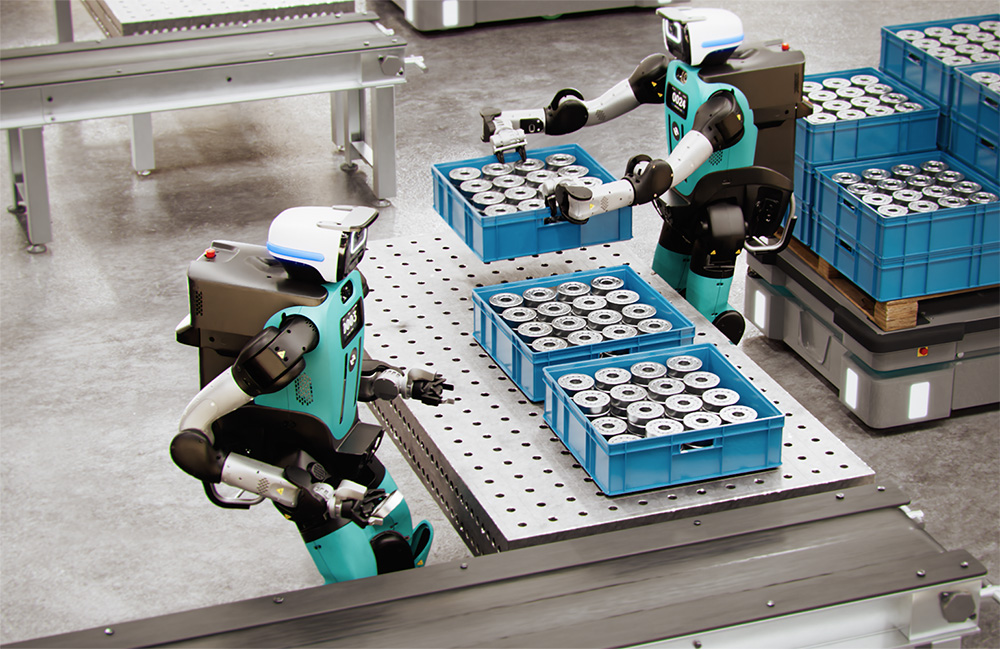
Following the successful trial periods of the Digit 4, which spent three years operating on actual production floors, Agility gathered granular data on what was required to move from pilot programs to full-scale enterprise deployment. These learnings—ranging from aisle dimensions and charging infrastructure to workflow integration—formed the foundational requirements for the Digit 5. This transition marks the end of the "technology demonstration" era for Agility and the beginning of a rigorous, requirement-driven engineering cycle.
Technical Specifications and Performance Metrics
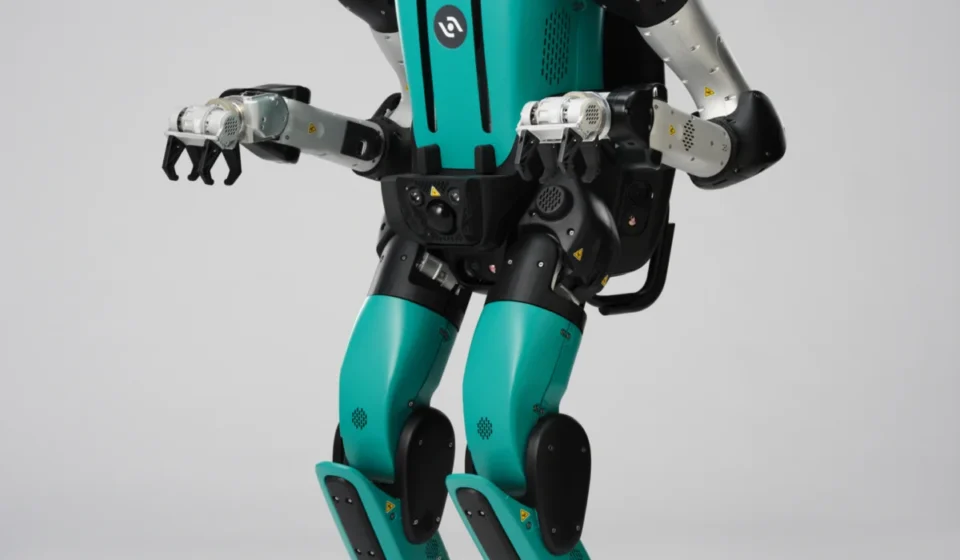
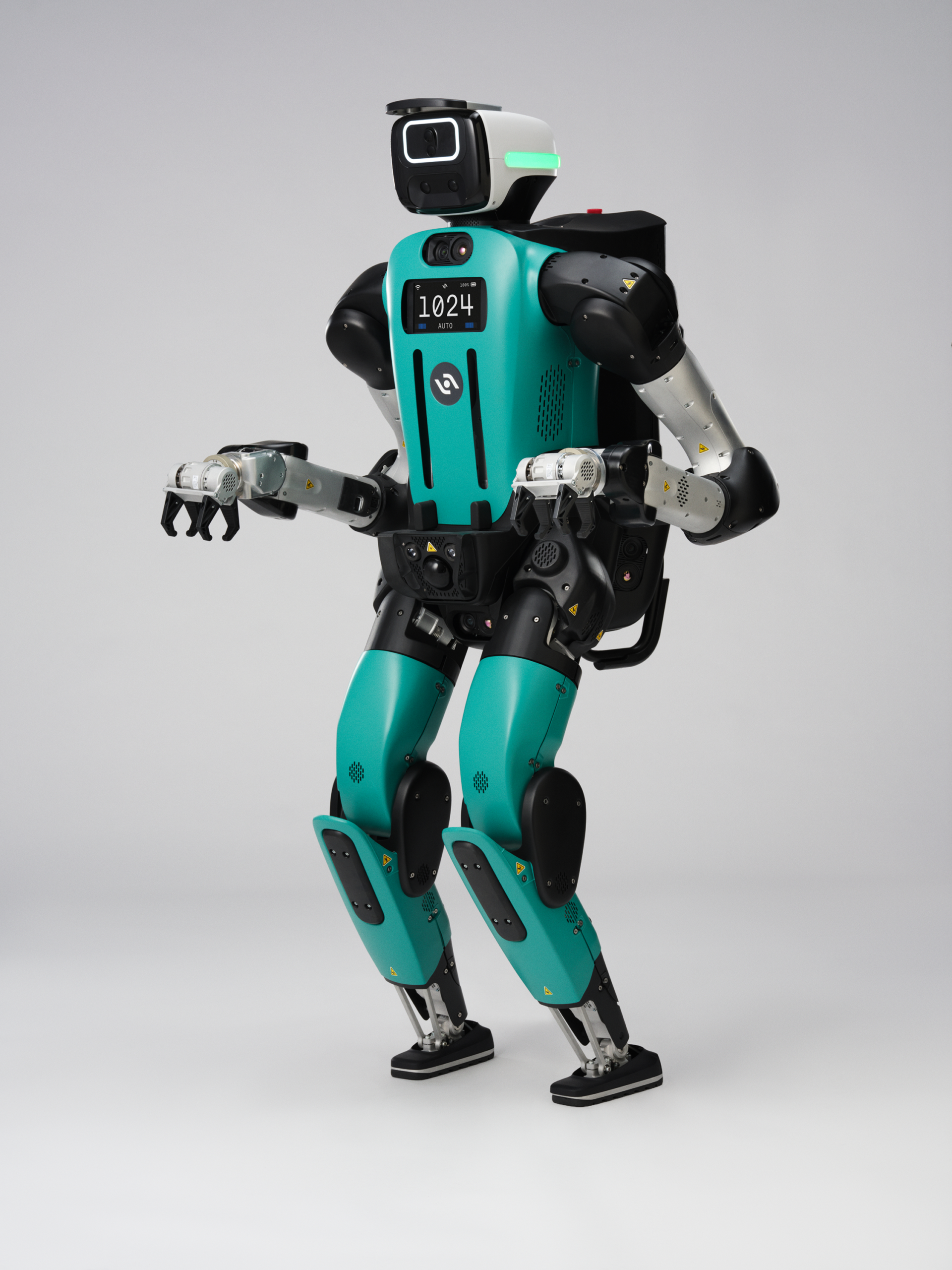
The physical profile of the Digit 5 reflects its new mission. Standing at 5’11" (1.81 m) and weighing 284 lbs (129 kg), the unit is larger and more capable than its predecessors. Perhaps the most striking visual departure is the leg configuration. While previous versions utilized a distinctive, backwards-bending "ostrich-like" gait optimized for efficient walking and running, the Digit 5 features more traditional, human-like legs.
"The new configuration is optimized for the specific, grueling requirements of industrial work: lifting heavy objects and transitioning frequently between standing and kneeling," Hurst explained. "We aren’t trying to copy human anatomy for the sake of aesthetics; we are responding to the physics of the job."
Key Performance Upgrades:
- Payload Capacity: Powered by proprietary cycloidal actuators, the Digit 5 can consistently lift up to 50 lbs (22.7 kg), meeting the critical thresholds for single-person lift tasks as defined by OSHA.
- Charging Efficiency: The most significant operational upgrade is the 10:1 run-to-charge ratio. Digit 5 can operate for 90 minutes and recharge in just nine minutes, facilitating over 20 hours of uptime in a 24-hour cycle—a massive leap over the 2:1 ratio seen in the Digit 4.
- Reach and Manipulation: The robot can now reach heights of up to 7.2 feet, enabling it to service high-density racking systems. Furthermore, it features a swappable end-effector design with ISO-standard mounting, allowing for tool changes tailored to specific tasks, such as depalletizing, machine tending, and quality inspection.
The Safety Paradigm: Moving Beyond Physical Barriers
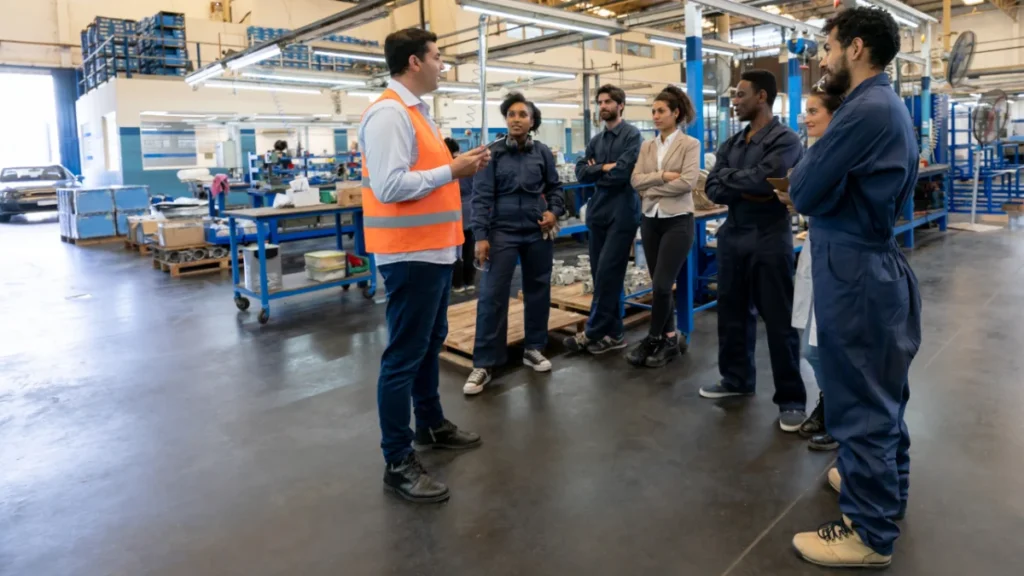
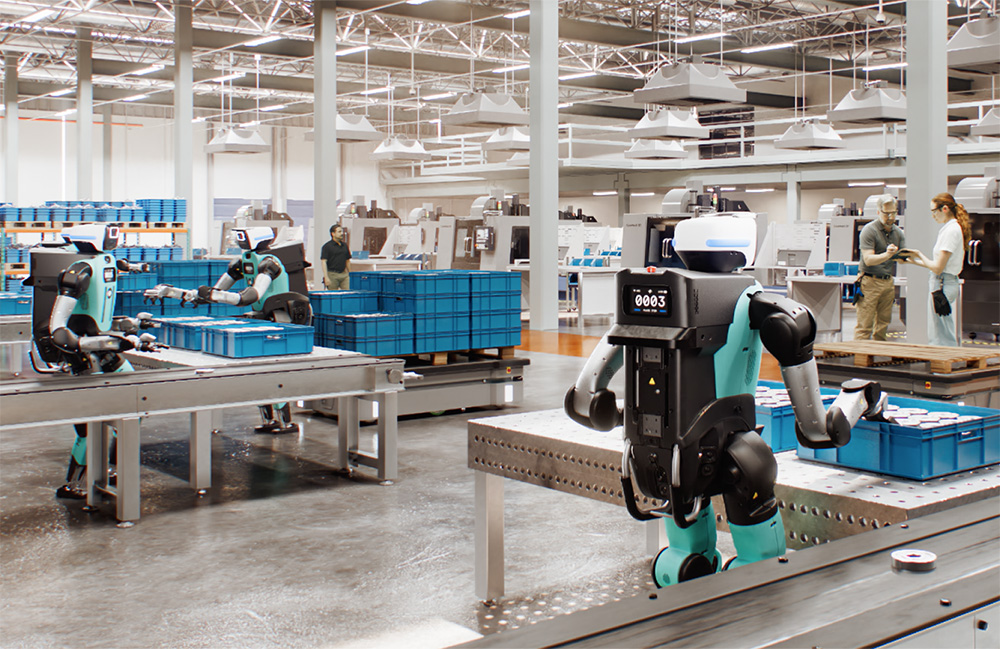
Perhaps the most significant barrier to the widespread adoption of humanoid robots has been safety. Historically, robots in manufacturing facilities were sequestered behind steel cages or safety fencing to prevent accidental contact with human workers. Agility Robotics is betting that the Digit 5 will change this, as it is engineered to operate safely in close proximity to people.
Agility’s approach to safety is holistic, involving an integrated synthesis of hardware and software. The Digit 5 is equipped with advanced sensor suites that provide a 360-degree field of vision, allowing it to detect and interpret the proximity of human workers in real-time. Unlike older systems that relied on rigid, pre-defined safety zones, the Digit 5 utilizes dynamic AI algorithms to adjust its behavior based on the specific situation.
If a worker approaches, the robot can slow down, stop, or even initiate a seated, stable posture to demonstrate its intent to remain stationary. This "sit-down" capability is a core safety feature; it allows the robot to enter a low-energy, grounded state where motors are disengaged, ensuring that even in the unlikely event of a malfunction, the machine is not a kinetic threat.
Market Strategy and Global Expansion
With $300 million in multi-year orders already secured, the market signal is clear. Agility’s commercial strategy involves a phased rollout, with early access programs slated for the first half of 2027 and general availability by the end of that year.
A major development in this release is the expansion into international markets. Agility has explicitly announced plans to deploy Digit 5 in the European Union and the United Kingdom, marking the first time the company will operate commercially outside of North America. To facilitate this, the company is ensuring the Digit 5 meets all necessary regulatory benchmarks, including the CE mark, to satisfy the stringent safety standards of the EU and Great Britain.
The Philosophy of Manipulation
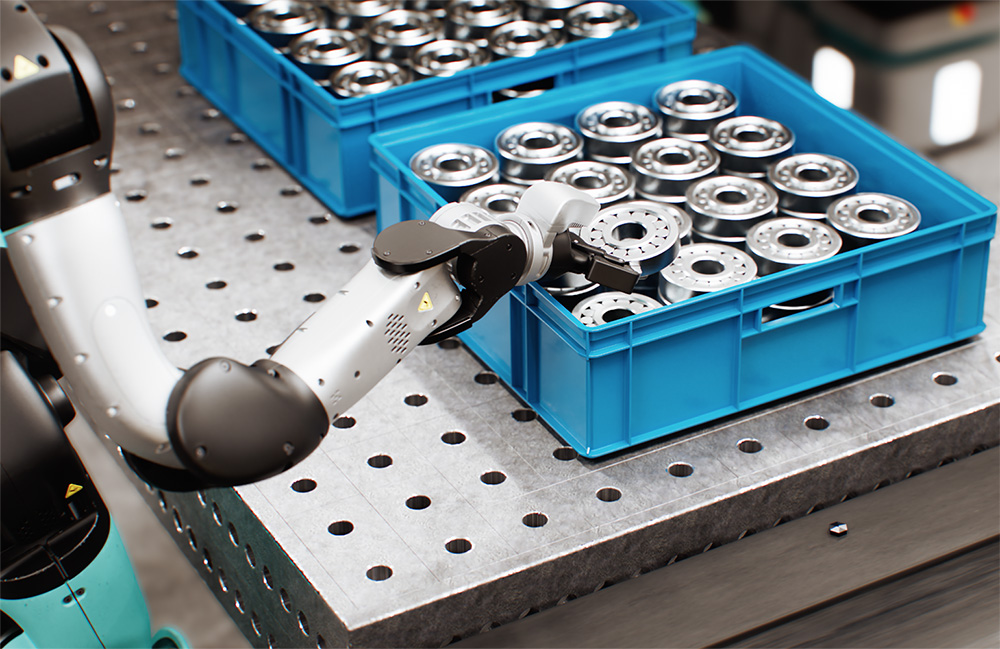
While many competitors are obsessing over the creation of high-fidelity, five-fingered robotic hands, Agility remains pragmatic. Citing the success of participants in the Cybathlon—a competition where individuals with physical disabilities compete using assistive technologies—Hurst notes that the most effective artificial grippers are often the simplest.
"The winners of the recent Cybathlon, using the most dexterous artificial manipulators on the planet, were utilizing a simple parallel-jaw gripper with a single-degree-of-freedom wrist," Hurst noted. "We are focused on what works. No ‘human-like’ hand currently on the market can reliably lift a 25-kilogram bin and perform complex manipulation. We are choosing utility over mimicry."
Implications: The Future of Industrial Automation
The introduction of the Digit 5 signals that the "humanoid era" is transitioning from a period of hype to one of utility. By focusing on the specific constraints of the factory floor—power, payload, safety, and regulatory compliance—Agility is attempting to make the humanoid robot as common as the conveyor belt or the automated guided vehicle (AGV).
The implications for the labor market and supply chain efficiency are profound. As the Digit 5 begins to handle the "dull, dirty, and dangerous" tasks—such as repetitive lifting, palletizing, and machine tending—human workers may be increasingly liberated to focus on higher-level supervisory and cognitive tasks.
As Agility prepares to go public, the success of the Digit 5 will be the ultimate litmus test. If the company can deliver on its promise of safe, autonomous, and high-uptime humanoid labor, it will not only secure its place as a leader in the robotics industry but also redefine the operational landscape of global manufacturing and logistics for decades to come. With industry leaders like Jonathan Hurst and CTO Pras Velagapudi leading the conversation at upcoming forums like RoboBusiness, the industry is watching closely to see if the Digit 5 can indeed deliver on its promise to safely and efficiently share the workspace with humanity.