



The Architect of Efficiency: The Strategic Evolution of the Director of Manufacturing Engineering

By Paweł Bęś, Logistics and Maintenance Marketing Expert at QRmaint
Published: July 14, 2026
Modern manufacturing has undergone a fundamental metamorphosis. It is no longer defined merely by the rhythmic clatter of assembly lines or the physical output of goods; it is a high-tech, data-saturated discipline. In this new era, the factory floor is an ecosystem driven by complex data integration, enterprise resource planning (ERP), Computerized Maintenance Management Systems (CMMS), Manufacturing Execution Systems (MES), and SCADA architectures.
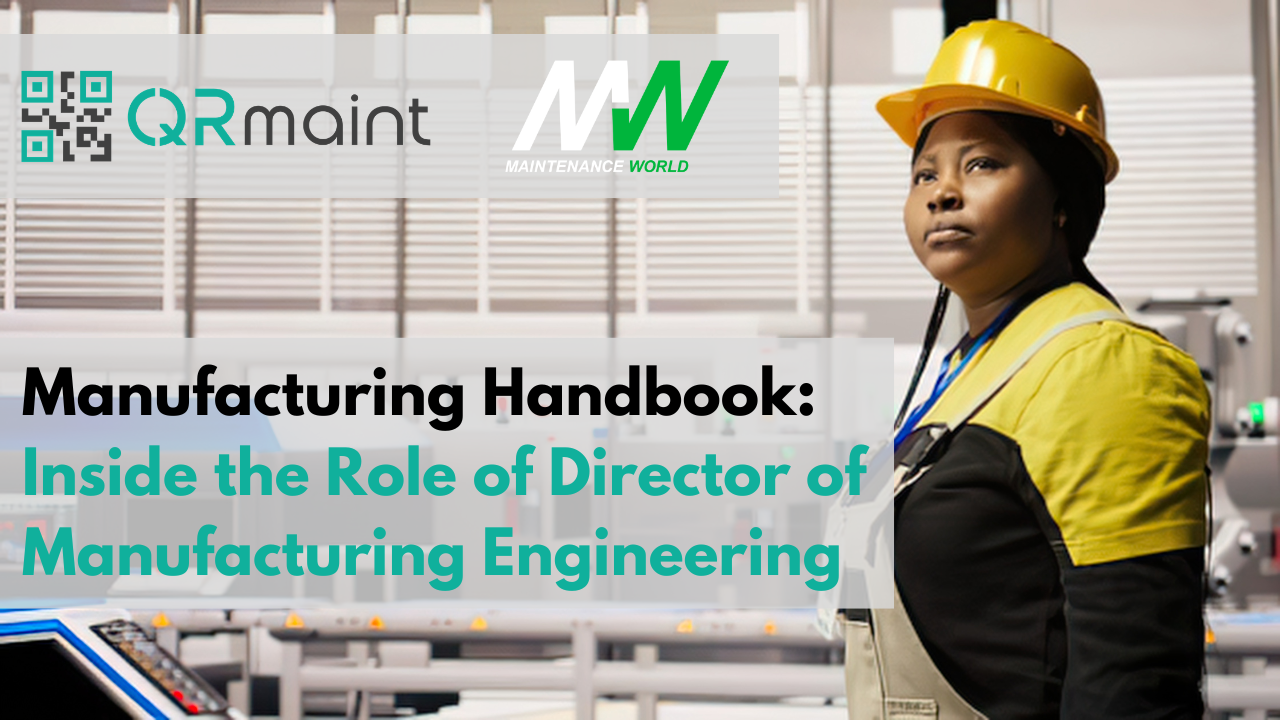
As the global manufacturing landscape faces uneven growth and shifting regional demands, the role of the Director of Manufacturing Engineering has emerged as the critical linchpin for organizational success. This professional acts as the bridge between high-level financial strategy and the tactical, granular realities of factory-floor execution.
The State of Global Manufacturing: A Contextual Analysis
The most recent data from the United Nations Industrial Development Organization (UNIDO), released in January 2026, provides a stark portrait of a sector in transition. While global manufacturing output registered a marginal monthly increase of 0.3%, the aggregate figure masks a profound divide.

The Rise of High-Tech Sectors
Growth is not occurring uniformly. High-tech and medium-high-tech industries are significantly outperforming their lower-tech counterparts. Specifically, high-tech output saw a moderate climb of 0.5% in early 2026. Within this surge, pharmaceuticals led the charge with a 2.4% increase, followed by electrical equipment at 1.3%. This suggests that the future of manufacturing profitability lies in intellectual property-heavy, precision-engineered goods rather than volume-based commodity production.
Regional Divergence
Geopolitically, the manufacturing map is fracturing. Europe, traditionally a stronghold of industrial production, reported a worrying 1.3% decline in output across most of its major economies. This contraction creates a challenging environment for leadership, demanding that directors focus heavily on operational agility, cost containment, and the elimination of process inefficiencies to remain competitive in a shrinking regional market.

The Strategic Mandate of the Manufacturing Engineering Director
The Director of Manufacturing Engineering sits at a unique intersection of responsibility. Often reporting directly to the Chief Operating Officer (COO) with a dotted-line accountability to the Vice President of Finance, this role is a hybrid of engineering prowess, financial acumen, and high-stakes people management.
Bridging Design and Execution
The primary mandate of this role is to ensure that the vision of product designers translates seamlessly into profitable factory output. This requires a deep understanding of the "digital thread"—the path that data takes from a CAD file to an ERP order and, ultimately, to a finished unit on a shipping pallet. By serving as a strategic partner to both the CFO and the plant manager, the Director ensures that capital investments in machinery are justified by measurable, scalable returns.

The Framework of Success
To manage this complexity, modern executives are moving away from ad-hoc management styles. Instead, they are adopting structured frameworks, such as the scw.ai Manufacturing KPI Handbook. This comprehensive guide provides a blueprint for excellence, outlining over 60 Key Performance Indicators (KPIs) across seven vital domains: Production, Maintenance, Planning and Scheduling, Quality, Supply Chain, and Environmental Health & Safety (EH&S).
A. The Digital Backbone: Infrastructure for Scale
Manufacturing cannot scale using fragmented, manual tools. The era of the spreadsheet-led factory is over.

1. Owning the Digital Thread
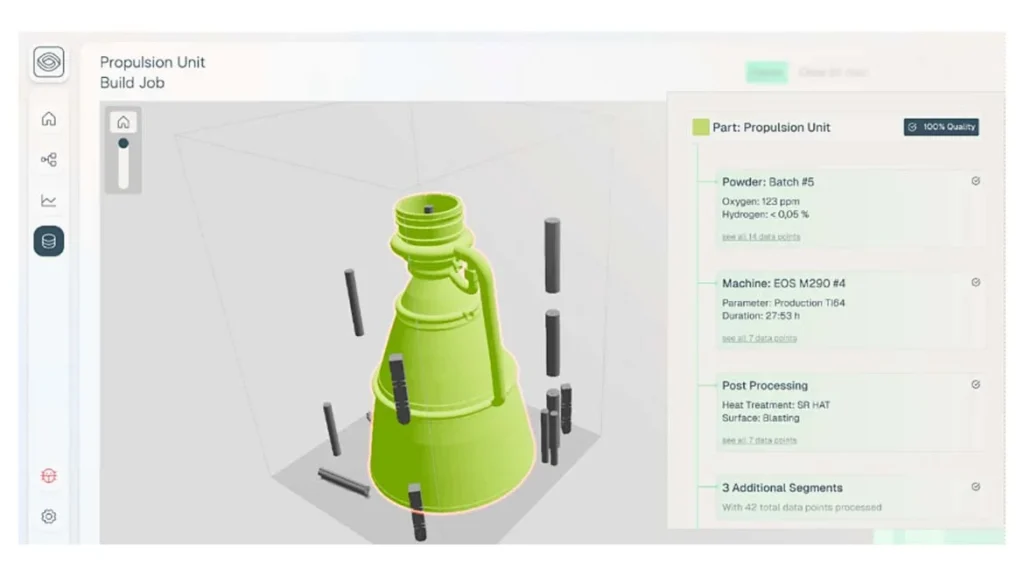
A Director of Manufacturing Engineering must act as the primary steward of the organization’s digital backbone. This involves managing the ERP environment so that sales forecasts—often generated in platforms like Salesforce—trigger automated material requirements and production schedules. By ensuring that customer demand directly dictates resource allocation, the Director eliminates the "bullwhip effect," where small fluctuations in demand cause massive, wasteful inventory imbalances.
2. Operationalizing the Floor via CMMS
Beyond the ERP, the Director must oversee the deployment of specialized tools for operational reliability, most notably the modern mobile CMMS. Maintenance is no longer an "expense center" that fixes broken parts; it is now a strategic lever for uptime. By moving from legacy paper logs—which are notoriously prone to errors and delays—to a digital, mobile-first CMMS, companies can capture real-time data on machine health, operator performance, and spare parts inventory. This data visibility is the precursor to predictive maintenance.

B. Maintenance KPIs: Building Asset Reliability
The transition from reactive to proactive maintenance is the hallmark of a world-class manufacturing facility. By utilizing data from the CMMS, the Director can monitor specific KPIs that protect the company’s most expensive assets: its machines.
- Mean Time Between Failures (MTBF): Measuring the average time elapsed between inherent failures of a system during normal operation. A rising MTBF is the clearest signal of successful predictive maintenance.
- Mean Time to Repair (MTTR): The average time required to troubleshoot and fix a failed asset. Lowering this metric is a direct result of better inventory management (having parts on hand) and improved technician training.
- Preventive Maintenance (PM) Compliance: The percentage of scheduled maintenance tasks completed on time. High compliance is essential for extending asset life and avoiding catastrophic unplanned downtime.
By focusing on these metrics, the Director shifts the departmental conversation from "why did this machine break?" to "how can we optimize this asset’s performance for the next five years?"

C. Scheduling, Planning, and Quality: Protecting the Plan
Once reliability is established, the focus shifts to the balance between production speed and quality assurance.
- Schedule Adherence: The ability of the floor to meet the production plan within the allocated timeframe. This is the ultimate test of the alignment between sales, planning, and the production team.
- First Pass Yield (FPY): A critical quality metric that measures the percentage of products that pass through the production process without requiring rework or scrapping. High FPY is the most effective way to reduce the "hidden factory" costs associated with waste.
- OEE (Overall Equipment Effectiveness): The gold standard metric that combines Availability, Performance, and Quality to provide a single, powerful snapshot of how well a machine or line is performing relative to its theoretical maximum.
Visualization: The Power of the Scoreboard
Raw data is useless if it cannot be synthesized. The scw.ai framework advocates for the use of high-level scoreboards—digital dashboards that translate thousands of data points into actionable insights.

For the Director, these scoreboards serve two purposes. First, they allow for "management by exception." Instead of reviewing every detail, the Director can identify which areas of the plant are dipping below target performance and focus their energy there. Second, they create accountability. When every shift lead and plant manager sees the same real-time data, the organization creates a culture of transparency where performance gaps are addressed immediately rather than being discovered in a monthly report.
Implications and Future Outlook
The role of the Director of Manufacturing Engineering is becoming increasingly complex as the industry pushes toward Industry 4.0. The ability to manage this transition is no longer optional; it is a prerequisite for survival.

The Human-Machine Collaboration
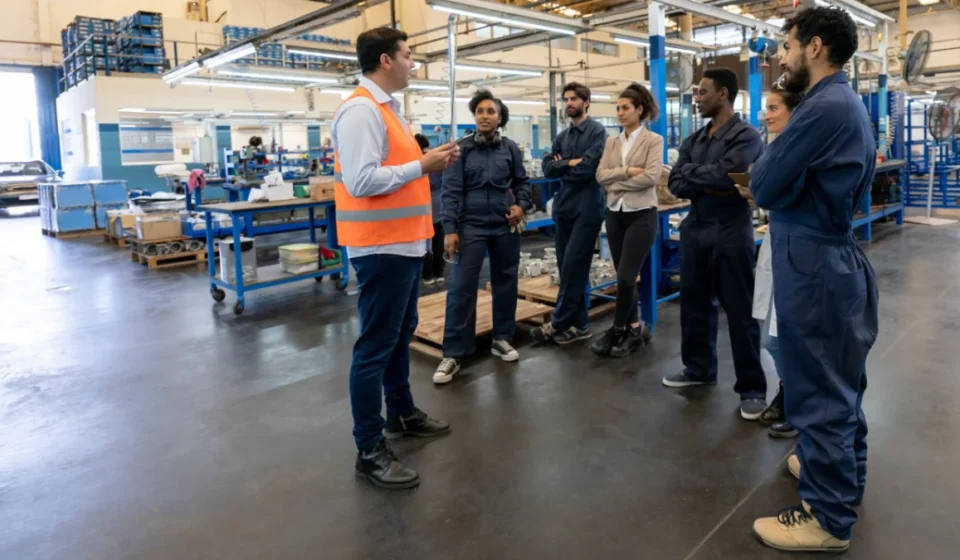
While digital tools and KPIs are essential, the success of these systems relies entirely on leadership. The Director must foster a culture where technicians are not afraid of data, but view it as a tool to make their jobs easier. The move from manual logging to automated tracking requires a shift in mindset, one that emphasizes continuous learning and technological literacy.
The Competitive Advantage
As the UNIDO report indicates, regional pressures and economic volatility are testing the limits of traditional manufacturing models. Companies that empower their Directors to leverage data-driven systems—such as mobile CMMS platforms and comprehensive KPI frameworks—will find themselves with a distinct competitive advantage. They will be able to pivot production faster, maintain higher quality standards, and keep their costs lower than competitors still tethered to manual, reactive processes.

Conclusion: Engineering the Future
The Director of Manufacturing Engineering acts as the heartbeat of the factory. By synthesizing financial objectives with floor-level realities, they ensure that the organization does not just survive the current economic landscape but thrives within it.
As we move deeper into the second half of the decade, the integration of advanced analytics, mobile execution platforms, and rigorous KPI frameworks will define the winners of the industrial race. For the modern executive, the path is clear: embrace the digital backbone, obsess over reliability metrics, and lead with a vision that turns raw data into sustainable, long-term profitability. The future of manufacturing is not just about making products—it is about mastering the data that makes those products possible.