




Accelerating the Rural Retail Revolution: Tractor Supply Co. Joins Forces with Instacart

By Max Garland, Logistics Reporter
Published July 22, 2026
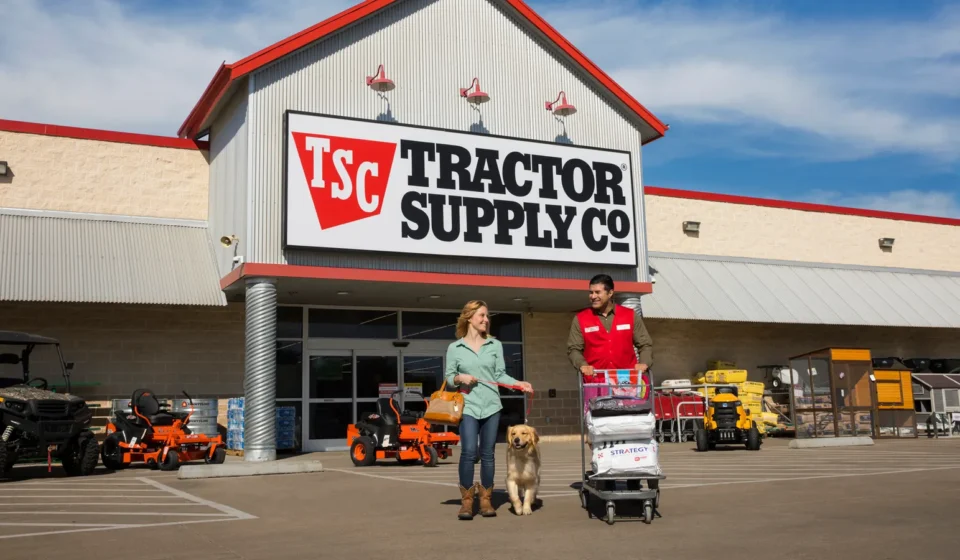
In a move that signals the ongoing transformation of last-mile logistics in rural and semi-rural markets, Tractor Supply Co. has officially announced a strategic partnership with Instacart. The collaboration, unveiled on July 14, 2026, enables same-day delivery from over 2,400 of the retailer’s storefronts, promising customers the receipt of essential goods in as little as one hour. This development marks a significant milestone in the broader retail industry’s pivot toward hyper-convenience, effectively bridging the gap between urban-style instant commerce and the unique needs of the agricultural and hobby-farming consumer base.
Main Facts: A New Standard for Rural Logistics
The partnership between the nation’s largest rural lifestyle retailer and the dominant grocery delivery platform is far-reaching. By integrating its inventory into the Instacart marketplace, Tractor Supply is making a vast catalog of its products—ranging from heavy-duty pet food and livestock feed to gardening supplies, hardware, and outdoor power equipment—available for rapid home delivery.
For many of Tractor Supply’s customers, the "instant" delivery model represents a paradigm shift. Historically, rural residents have contended with longer transit times for non-perishable goods and have had to manage the logistics of transporting bulky items personally. Now, through the Instacart platform, these consumers can bypass the trip to the store for high-frequency, heavy, or urgent items.
This partnership is not merely a logistical convenience; it is a tactical expansion of Tractor Supply’s digital footprint. By leveraging Instacart’s existing network of shoppers, the retailer avoids the capital-intensive process of building a proprietary delivery fleet for every region, while simultaneously meeting the modern consumer’s expectation for same-day fulfillment.
Chronology: The Evolution of Tractor Supply’s Digital Strategy
To understand the significance of the Instacart partnership, one must examine the progression of Tractor Supply’s logistics roadmap over the last several years. The retailer has been aggressively pivoting toward a "phygital" (physical and digital) strategy to maintain its competitive edge in a tightening market.
- Early 2024: Tractor Supply begins a pilot program focused on optimizing its "final-mile" capabilities, experimenting with local delivery hubs to reduce the distance between inventory and the end-user.
- Late 2024: The company announces a strategic expansion of its partnership with DoorDash, testing the waters for fast, on-demand delivery of smaller-format items.
- Q1 2025: Tractor Supply reports a marked increase in delivery volume as it scales its internal fleet and delivery hub infrastructure, signaling that consumers are rapidly adopting digital ordering channels.
- Q2 2026: The company refines its last-mile strategy, emphasizing the use of store employees to handle the delivery of bulkier, specialized goods that require more care than standard grocery items.
- July 2026: The formal launch of the Instacart partnership, which effectively cements the retailer’s position as a provider of both essential agricultural supplies and immediate-need home goods.
Supporting Data: The Rise of Same-Day Delivery
The expansion into same-day delivery is backed by shifting consumer behaviors. According to recent retail analytics, the demand for same-day fulfillment for pet supplies and home-maintenance hardware has risen by nearly 25% over the past two years.
Tractor Supply’s decision to tap into the Instacart ecosystem—which now supports more than 2,200 national and local retail banners—is a calculated response to this trend. The scale of this integration is significant: with over 2,400 stores now connected, the retailer is providing instant access to millions of square feet of retail space.
Furthermore, the data indicates that once consumers experience the convenience of same-day delivery for recurring items like livestock feed or seasonal fertilizer, the frequency of their engagement with the brand increases. By removing the "friction of transport"—the physical burden of loading heavy bags into a vehicle—Tractor Supply is essentially lowering the barrier to purchase for its most loyal customers.
Official Responses: Aligning the Digital and Physical
The leadership team at Tractor Supply views this move as a natural evolution of the brand’s "Life Out Here" philosophy.
"Our partnership with Instacart provides customers with another seamless way to shop Tractor Supply, combining the products they trust with the speed and convenience of Instacart delivery," said Matthew Rubin, Tractor Supply’s Senior Vice President and President of Digital and E-commerce.
The sentiment from Instacart’s side is equally optimistic. By adding a major rural-focused retailer to its platform, Instacart diversifies its offerings beyond groceries and traditional pharmacies. This allows the delivery giant to capture a larger share of the "home and farm" wallet, a sector that has been historically underserved by the gig-economy delivery model.

Implications: The Future of the Last-Mile
The partnership carries profound implications for the logistics and retail industries.
1. The Blurring of Retail Verticals
We are witnessing a period where the distinction between a grocery delivery app and a hardware/farm store is disappearing. Consumers now expect to manage their entire domestic operation—from feeding the dog to repairing a fence—through a single, unified digital interface.
2. Efficiency in "Bulky" Delivery
One of the primary challenges for companies like Instacart has been the delivery of "non-standard" items—goods that are heavier, larger, or more awkward to transport than a standard grocery order. By partnering with Tractor Supply, Instacart is gaining critical experience in managing the logistics of bulky goods, a competency that will be vital as it seeks to expand into other heavy-retail sectors.
3. The Competitive Landscape
This partnership places additional pressure on regional hardware stores and smaller agricultural supply outlets that lack the digital infrastructure to offer same-day delivery. To compete, these smaller players may be forced to join regional delivery marketplaces or invest heavily in their own localized, micro-fulfillment centers.
4. Labor and Logistics
Tractor Supply’s commitment to its "revamped final-mile strategy" suggests a hybrid approach. While Instacart handles the on-demand delivery for smaller, frequent-need items, the company continues to utilize its own staff for specialized, bulk deliveries. This tiered logistics strategy—using gig labor for speed and in-house expertise for specialized care—could serve as a blueprint for other retailers operating in the mid-to-heavy goods space.
5. Sustainability and Localized Supply
By utilizing existing retail storefronts as nodes in a delivery network, Tractor Supply is essentially turning every location into a micro-distribution center. This minimizes the distance traveled from the warehouse to the consumer, potentially reducing the carbon footprint associated with long-haul, small-package delivery.

Conclusion: A Resilient Strategy for the Future
As Tractor Supply continues to integrate its physical and digital operations, the Instacart partnership stands as a testament to the company’s ability to adapt to a changing landscape. While the retail industry at large continues to grapple with the rising costs of last-mile logistics, Tractor Supply has chosen a path of partnership and optimization.
By combining its deep-rooted expertise in rural life with the technological prowess of an industry-leading delivery platform, the company is not only meeting the needs of today’s consumer but is also setting a new benchmark for what it means to be a "local" retailer in the 21st century. Whether or not this strategy will translate into sustained margin growth remains to be seen, but for the rural consumer, the era of waiting days for essential supplies is rapidly drawing to a close.
Editor’s note: This story was first published in our Logistics Weekly newsletter. For further analysis on retail supply chain trends, subscribe to our updates.